Spain and Italy Lift European Car Sales in December
New car registrations in Spain jumped 21.4% and Italy saw a 2.35% rise in December, offsetting declines in France as subsidy schemes supported demand.
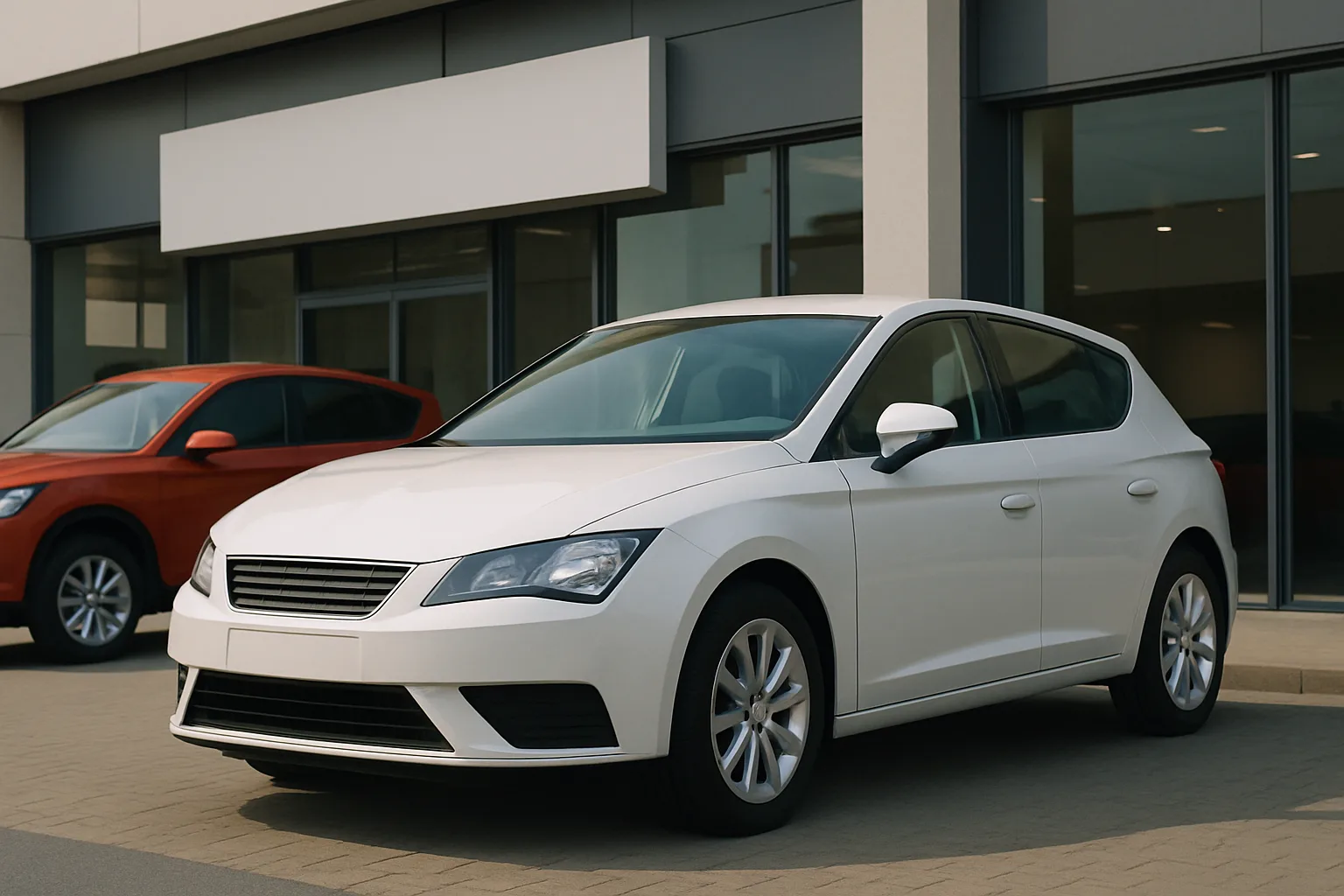
New car sales in Spain and Italy rose in December 2014, providing a boost for European manufacturers as France continued to struggle. Spanish registrations increased by 21.4% compared to the previous year, while Italy posted a 2.35% gain, according to official figures. These results contrast sharply with France, where car sales fell by 6.8% in the same period.
Spanish and Italian Car Sales Rise in December 2014
Detailed Sales Figures for Spain and Italy
Spain recorded 73,440 new car registrations in December 2014, marking a substantial year-on-year increase. For the full year, Spanish car sales reached 855,308 units, up 18.4% compared to 2013. This was the strongest annual growth for Spain’s car market in 15 years and the highest sales total since 2010. The surge in demand has been largely attributed to the government’s Plan PIVE subsidy scheme, which incentivises buyers to trade in older vehicles for new, low-emission models. The programme was extended for the seventh time in November 2014, and has supported 16 consecutive months of sales growth.
Italy, which remains the fourth-largest car market in Europe, also saw an improvement. December new car registrations reached 91,518, a 2.35% increase from the previous year. Over the course of 2014, Italy’s car sales totalled 1.36 million vehicles, up 4.2% from 2013. Although the growth in Italy was more modest than in Spain, it signalled a steady recovery from the severe downturn experienced during the Eurozone crisis.
France’s Decline and Market Contrasts
While Spain and Italy saw improvements, France experienced a notable decline. December 2014 car sales in France fell by 6.8% year-on-year. The drop has been attributed to weak consumer confidence and economic stagnation, which have discouraged buyers from making significant purchases such as new cars. This has left French car manufacturers more dependent on stronger performances in neighbouring southern markets to help balance regional sales figures.
Factors Behind the Growth in Spain and Italy
The Plan PIVE subsidy scheme has been a central factor in Spain’s market recovery. By focusing on replacing older, higher-emission vehicles, the government has encouraged buyers to return to dealerships. The ongoing support for this scheme, with repeated extensions, has provided consistency and reassurance for consumers considering a new vehicle purchase.
Italy’s increase in sales has come without a direct equivalent to Spain’s Plan PIVE. Instead, the Italian market’s improvement appears to be driven by a gradual return of consumer confidence and a slow but steady economic recovery. However, the pace of growth in Italy remains slower than in Spain, reflecting differences in government policy and economic conditions.
The Wider European Context and Industry Outlook
Despite the positive developments in Spain and Italy, the wider European car market remains fragile. The industry is still emerging from a prolonged downturn, with overall sales having previously fallen to their lowest levels in two decades. Uncertainties persist in major markets such as France and Germany, and there are additional risks from political tensions in Eastern Europe, particularly Russia. These factors contribute to a patchy recovery across the continent, with some countries rebounding more quickly than others.
For European carmakers, the mixed results highlight the importance of targeted government incentives and local economic conditions in shaping demand. While Spain’s Plan PIVE has delivered tangible benefits, other countries may need to consider similar measures to stimulate growth. The contrasting fortunes of Spain, Italy, and France at the end of 2014 demonstrate that the recovery is far from uniform, and manufacturers must remain adaptable to shifting market dynamics.
Summary Table: December and Full-Year 2014 Car Sales
| Country | December 2014 Year-on-Year Change | December 2014 Sales | Full-Year 2014 Sales | Full-Year 2014 Change |
|---|---|---|---|---|
| Spain | +21.4% | 73,440 | 855,308 | +18.4% |
| Italy | +2.35% | 91,518 | 1,360,000 | +4.2% |
| France | -6.8% | N/A | N/A | N/A |
Looking Ahead
With Spain and Italy showing signs of recovery, attention now turns to whether these gains can be sustained and whether other European markets will follow their lead. The experience of 2014 suggests that government support and improving consumer confidence can play a significant role in reviving car sales. However, ongoing economic and political challenges mean that the European auto industry’s path to full recovery remains uncertain.
For further detail on recent trends, see reports such as the sharp drop in European new car sales in September and ongoing updates from industry associations and ministries.