Tesla Struggles to Gain Ground in Europe Against Local Rivals
Tesla’s Model S faces slow sales in Germany and tough competition from established German brands, as new electric models from Porsche, BMW and Audi draw attention at Frankfurt.
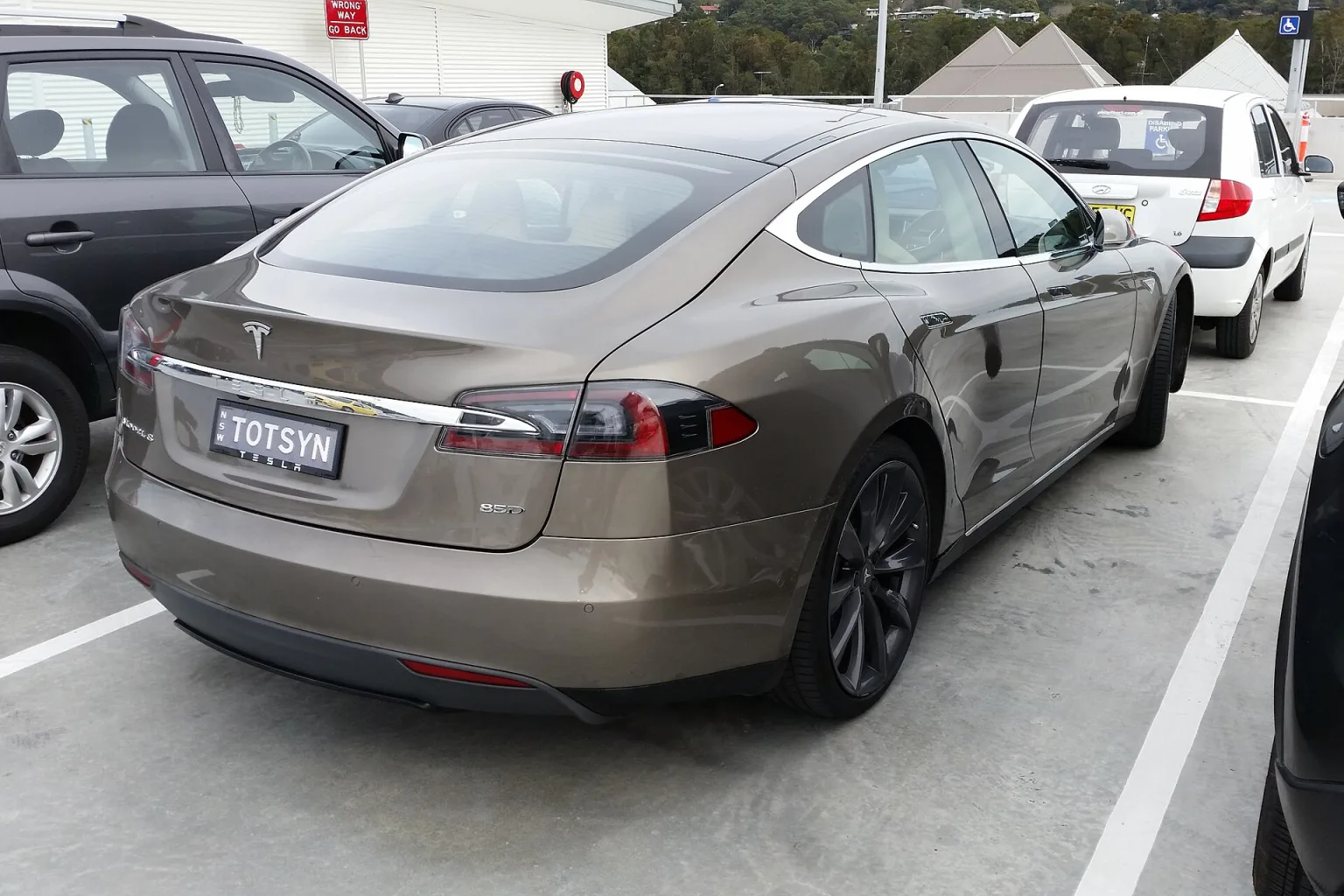
Tesla’s Model S has failed to make a major impact in Germany, with registration figures showing just 958 cars sold through August, according to the country’s motor vehicle office KBA. In the same period, Mercedes-Benz sold 5,149 examples of the S-Class, despite its higher price, while BMW’s i3 electric car outsold the Model S by more than 30%.
The muted response in Germany comes as the US electric carmaker faces a wave of new electric competition from local brands. At the 2015 Frankfurt Motor Show, Porsche revealed plans for an electric sports car to reach production within five years. BMW confirmed its intention to expand its line-up of electrified models, and Audi presented its E-tron Quattro concept, a zero-emission SUV aimed directly at the premium electric segment.
Competition from German manufacturers intensifies
Porsche’s announcement of a forthcoming electric sports car signals a direct challenge to Tesla in a segment the American company has largely pioneered. Audi’s E-tron Quattro concept, presented at Frankfurt, previews a production SUV that will compete with Tesla’s upcoming Model X, which was notably absent from the German show. BMW, already ahead in electric sales with the i3, is planning further electrified models to reinforce its position.
Tesla’s European sales have so far been concentrated in the Netherlands and Norway, where government incentives and early EV adoption have helped the brand. In Germany, the world’s fourth-largest car market and home to its most influential manufacturers, Tesla’s presence remains marginal. One analyst from the Center of Automotive Management in Germany commented that success in Germany is essential for any carmaker seeking broad European credibility.
Tesla’s position in the European market
Tesla’s challenge is not limited to sales figures. At the Frankfurt show, the Model S display attracted fewer visitors than the stands of Mercedes-Benz, BMW and Audi, all of which showcased new or forthcoming electric vehicles. The absence of the Model X from the event left Tesla without a direct answer to the German brands’ latest concepts and announcements.
Tesla’s European ambitions now depend on its ability to compete with established brands that are expanding their electric line-ups and leveraging strong domestic loyalty. The company’s reliance on small but enthusiastic markets such as Norway will not be enough to establish it as a mainstream player across the continent.