European New Car Sales Suffer Sharpest Drop in September
New car registrations across Europe fell 10.8% in September 2012, with only the UK market showing growth as most major brands reported double-digit declines.
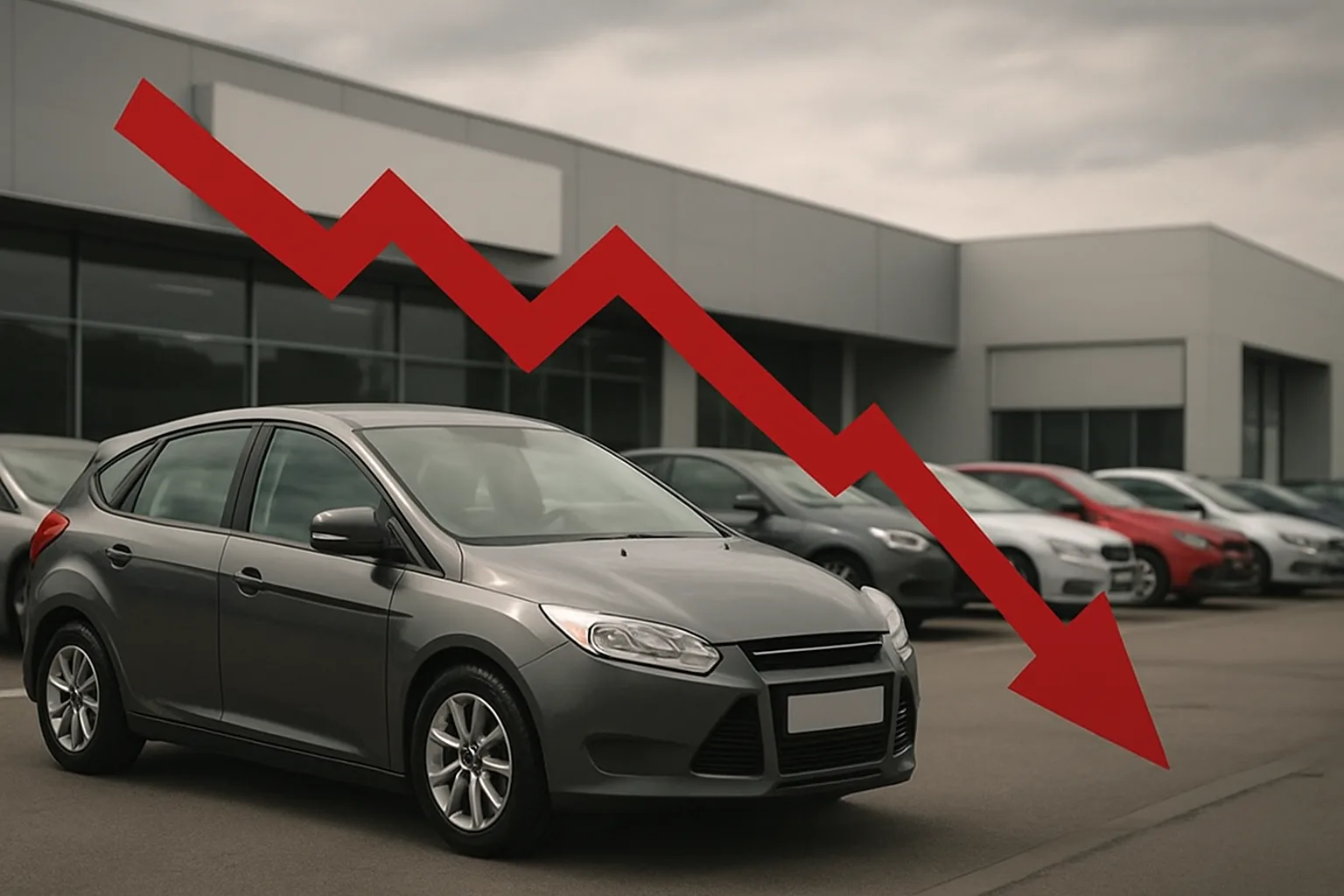
European new car registrations experienced a significant downturn in September 2012, with a 10.8% drop compared to the same month a year earlier. This decline, reported by the European Automobile Manufacturers’ Association (ACEA), brought the total number of vehicles registered to 1.10 million for the month. The figures mark the steepest year-on-year fall for the European car market in recent years, highlighting the challenges facing the industry across the region.
European Car Market Sees Steepest Decline in September 2012
Regional Performance and Market Factors
The decline in new car registrations was widespread, affecting nearly every major European market. The United Kingdom stood out as the only major market to register growth in September, while other large countries such as Germany and Spain suffered notable declines. The German industry group VDA pointed to a reduced number of working days compared with the previous year as one factor behind the drop in Germany. In Spain, an increase in value-added tax (VAT) contributed to a sharper fall in demand, further exacerbating the market’s weakness.
The broader context for these declines includes ongoing economic uncertainty linked to the eurozone debt crisis. Industry analysts noted that weak consumer confidence, particularly in Germany, Europe’s largest car market, has weighed heavily on automotive demand. The debt crisis has created an environment of caution among both consumers and businesses, leading to reduced spending on big-ticket items such as cars.
Brand-by-Brand Breakdown: Winners and Losers
Most major car manufacturers reported double-digit declines in September. Volkswagen, which had managed to gain market share earlier in the year, saw its registrations fall by 13.8%. Ford and Opel experienced similar setbacks, with declines of 15% and 16% respectively. Renault suffered the largest drop among the leading brands, with registrations down 33%. BMW’s sales fell by 5.8%, and Chevrolet, which imports the majority of its European models from GM’s Korean operations, posted a 20% decrease.
Not all automakers were affected equally. Hyundai and Kia managed to defy the downward trend, each achieving a modest sales increase of between 3% and 4%. These gains, though small, were notable in a market where most competitors were struggling to maintain their footing.
| Brand | Change in Registrations |
|---|---|
| Volkswagen | -13.8% |
| Ford | -15% |
| Opel | -16% |
| Renault | -33% |
| BMW | -5.8% |
| Chevrolet | -20% |
| Hyundai | +3% |
| Kia | +4% |
Comparisons and Market Volatility
The September drop stands in stark contrast to the previous month’s performance. In August 2012, the European market saw an 11% rise in registrations, driven largely by strong demand for SUVs. This sharp reversal from growth to decline highlights the volatility currently present in the European automotive sector. Fluctuations from month to month reflect both shifting consumer sentiment and the impact of external economic pressures.
The volatility makes it difficult for manufacturers and dealers to plan effectively. Sales strategies and production schedules must adapt quickly to changing market conditions, and the uncertainty is likely to persist as long as broader economic questions remain unresolved. The contrast between August and September’s figures also highlights the role that specific vehicle segments, such as SUVs, can play in temporarily boosting overall market numbers, even as underlying demand remains fragile.
Industry Outlook and Forecasts for 2013
Looking ahead, industry forecasters remain cautious. According to R.L. Polk & Co., even if the macroeconomic situation in the EU stabilises, western European new car registrations were expected to decline slightly in 2013. The projected total for the year was 11.63 million units, reflecting a subdued outlook for the industry. The ongoing debt crisis and related economic uncertainty are likely to continue affecting consumer spending and confidence well into the next year.
Automakers are responding to the downturn in various ways. Some, particularly in Germany, have begun offering significant discounts and incentives to attract buyers. These measures, while potentially effective in the short term, may not be sufficient to offset the broader decline in demand if economic conditions do not improve.
Consequences for Manufacturers and Consumers
The steep drop in sales has immediate consequences for manufacturers, dealers, and consumers across Europe. For automakers, falling sales can lead to production cuts, reduced hours for workers, and pressure on profits. Dealerships may see lower foot traffic and face increased competition for a shrinking pool of buyers. Consumers, meanwhile, could benefit from more aggressive promotions and price reductions as brands compete more fiercely for market share.
In the longer term, persistent weakness in the car market could prompt further consolidation among manufacturers or lead to changes in product strategies. Automakers may focus more on popular segments or invest in new technologies to stimulate demand. The September figures serve as a reminder of how closely the automotive sector is tied to the broader economic climate, and how quickly fortunes can change in response to shifts in consumer confidence and policy decisions.