Europe’s midsize car segment faces sharpest decline in a decade
Sales of traditional midsize saloons in Europe are set to fall below 500,000 units this year, with mainstream brands losing ground to crossovers and premium rivals.
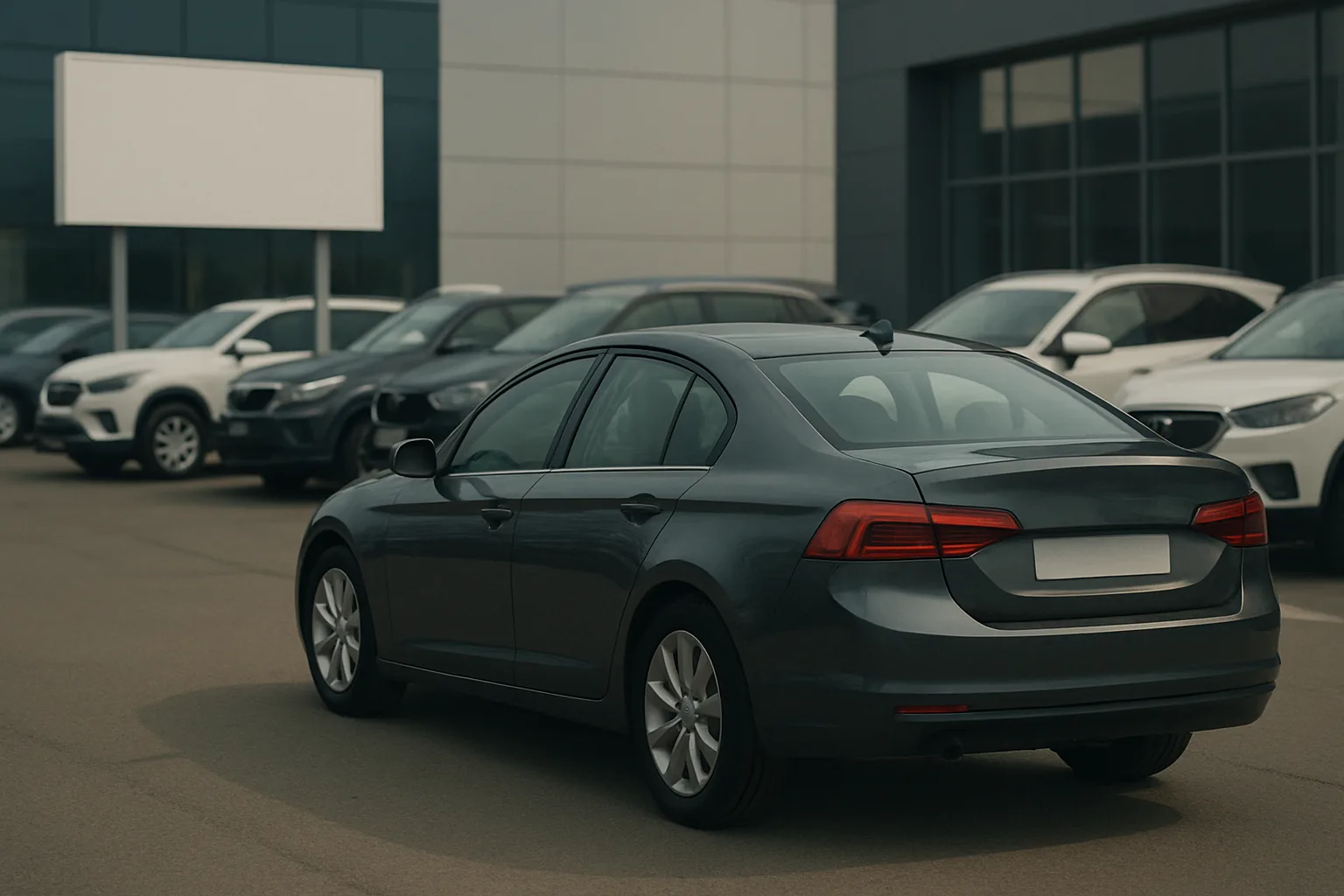
Sales of midsize cars in Europe are forecast to fall to their lowest level in a decade, with deliveries expected to slip below 500,000 units for the full year. The segment, once a mainstay for volume manufacturers, is under mounting pressure from the rapid growth of crossovers and SUVs, as well as aggressive moves by premium brands into lower price brackets.
Midsize Segment Faces Historic Decline in Europe
Back in 2011, midsize car sales in Europe reached at least 800,000 units. Now, the segment is struggling to maintain relevance as consumer preferences shift. Mainstream brands are losing share to crossovers, SUVs, and affordable premium models. Industry analysts predict that midsize car sales could drop by more than a third compared to 2011, reflecting the scale of the market's transformation.
Changing Consumer Preferences
Analysts and executives point to changing customer tastes as the main driver behind the decline. Buyers are increasingly favouring higher-riding crossovers and SUVs for their perceived practicality, versatility, and modern image. These vehicles offer elevated seating positions and, in many cases, similar running costs to traditional midsize saloons, making them attractive alternatives.
The result is a shrinking customer base for traditional midsize models. The segment, which includes cars like the Ford Mondeo, Volkswagen Passat, and Toyota Avensis, has seen its appeal wane as buyers turn to vehicles they see as better suited to their needs and lifestyles. This shift is not only affecting sales figures but also influencing product planning decisions among manufacturers.
Mainstream Brands Under Pressure
Traditional volume manufacturers are feeling the impact of the market shift most acutely. As premium brands introduce more affordable models, competition intensifies, and mainstream brands find it harder to maintain their foothold in the midsize segment. Some are reconsidering their long-term strategies in Europe, with a growing number expected to focus on crossovers or niche vehicles instead.
Honda is forecast to withdraw the Accord from Europe starting in 2015 due to persistently low demand, according to IHS Automotive. Nissan has already exited the segment, discontinuing the Primera in 2008. Other brands are reviewing whether to continue developing Europe-specific midsize models or to shift towards global products that can be sold in multiple markets. For example, Toyota's European leadership has questioned whether the Avensis should remain as a dedicated European model or be replaced by a more globally oriented vehicle.
Premium Brands and SUVs Redefine the Market
Premium manufacturers have expanded their reach in Europe by offering smaller, more accessible vehicles. These models often appeal to buyers who might previously have chosen a midsize car from a mainstream brand. At the same time, the surge in SUV and crossover popularity has redrawn the boundaries of the midsize segment, capturing customers who value the higher ride height and perceived prestige of these vehicles.
The Volkswagen Passat remains one of the few strong performers in the segment, but even established nameplates face tougher conditions. Manufacturers are responding by globalising their offerings or shifting focus to higher-margin models in other segments, such as SUVs and crossovers. This strategic pivot is likely to accelerate the decline of traditional midsize saloons in Europe.
Consequences and Industry Response
The decline of the midsize segment has significant consequences for European carmakers. As sales dwindle, factories dedicated to these models may face underutilisation or repurposing. Suppliers and dealerships that have relied on midsize saloons are also affected, needing to adapt to the changing mix of vehicles demanded by consumers.
Manufacturers are increasingly investing in the development of crossovers, SUVs, and electrified vehicles, reflecting broader industry trends. Some brands are consolidating their product lines, reducing the number of region-specific models to improve efficiency and profitability. The shift away from midsize saloons is part of a wider realignment as automakers seek to match their portfolios to evolving consumer preferences and regulatory requirements.
Looking Ahead
With the midsize segment expected to continue its decline, the European market is likely to see further withdrawals and repositioning by carmakers. The focus on crossovers, SUVs, and global models is set to intensify, reshaping the landscape for both manufacturers and consumers. While a few established midsize nameplates may endure, the era of high-volume midsize saloon sales in Europe appears to be coming to an end.