US auto brand loyalty climbs to five-year high, led by Toyota and Ford
New vehicle brand loyalty in the US reached 51.4% at the end of 2025, with Toyota, Ford and Honda retaining the most repeat buyers despite rising prices and EV headwinds.
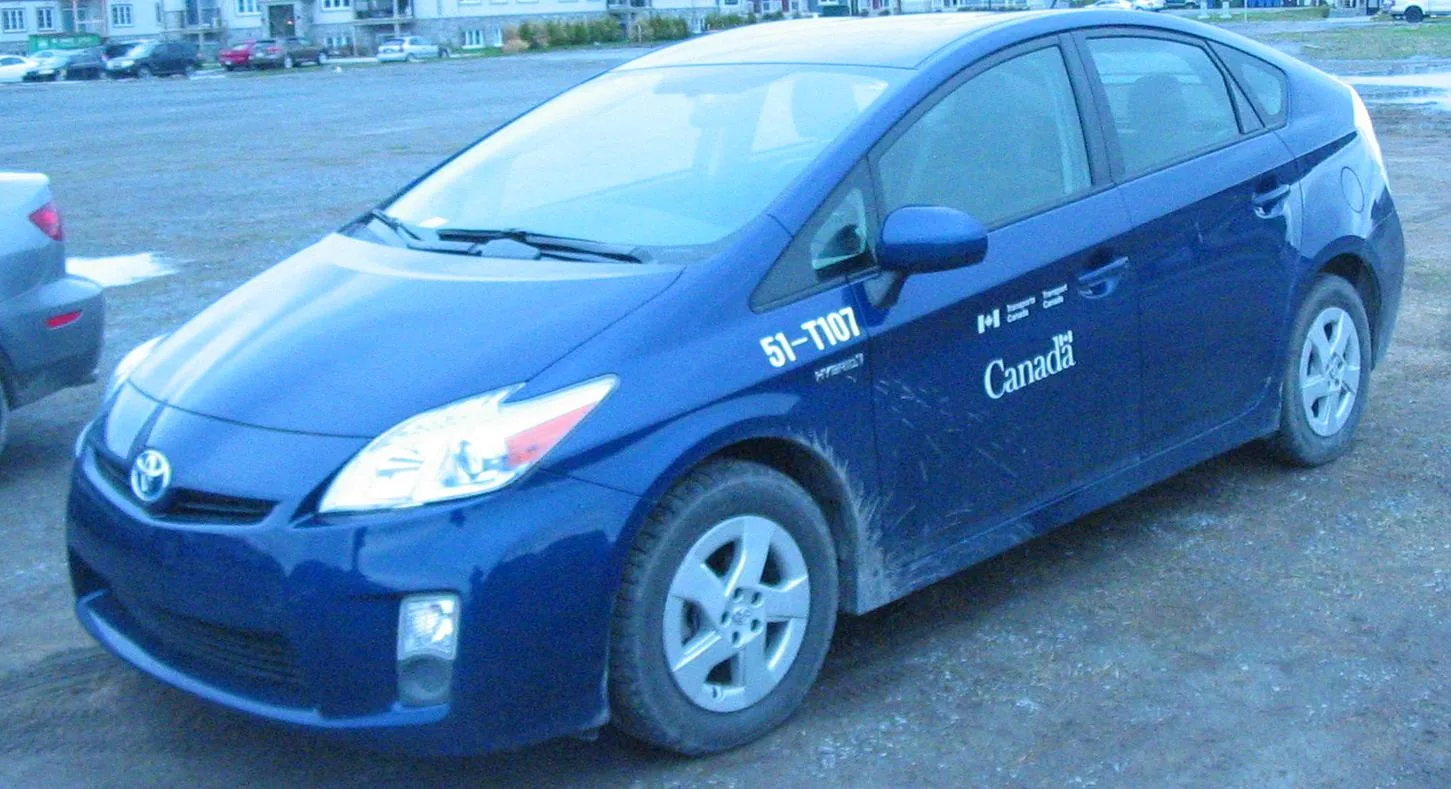
US new vehicle brand loyalty reached its highest level in five years at the end of 2025, according to new analysis from LexisNexis Risk Solutions. The study found that 51.4% of buyers replaced their outgoing car or truck with a new vehicle from the same marque, up 0.4 percentage points from 2024, despite a year marked by rising prices and uncertainty around electric vehicles.
Ten brands finished the year above the industry average for loyalty, demonstrating resilience as affordability barriers and changing fuel preferences continued to disrupt the market. Toyota closed 2025 as the overall loyalty leader, with 60.2% of its customers returning for another vehicle from the brand. Hybrid models played a key role, as Toyota's hybrid owner loyalty climbed 2.5 percentage points to 60.1%.
Ford and Honda retain loyal buyers
Ford continued its dominance in the truck segment, with the J.D. Power 2025 Automotive Brand Loyalty Study reporting a 66.6% loyalty rate— the highest for any segment. Toyota followed in trucks with 61.2%. Honda also maintained strong loyalty, topping mass market SUVs and finishing second to Toyota among mass market cars.
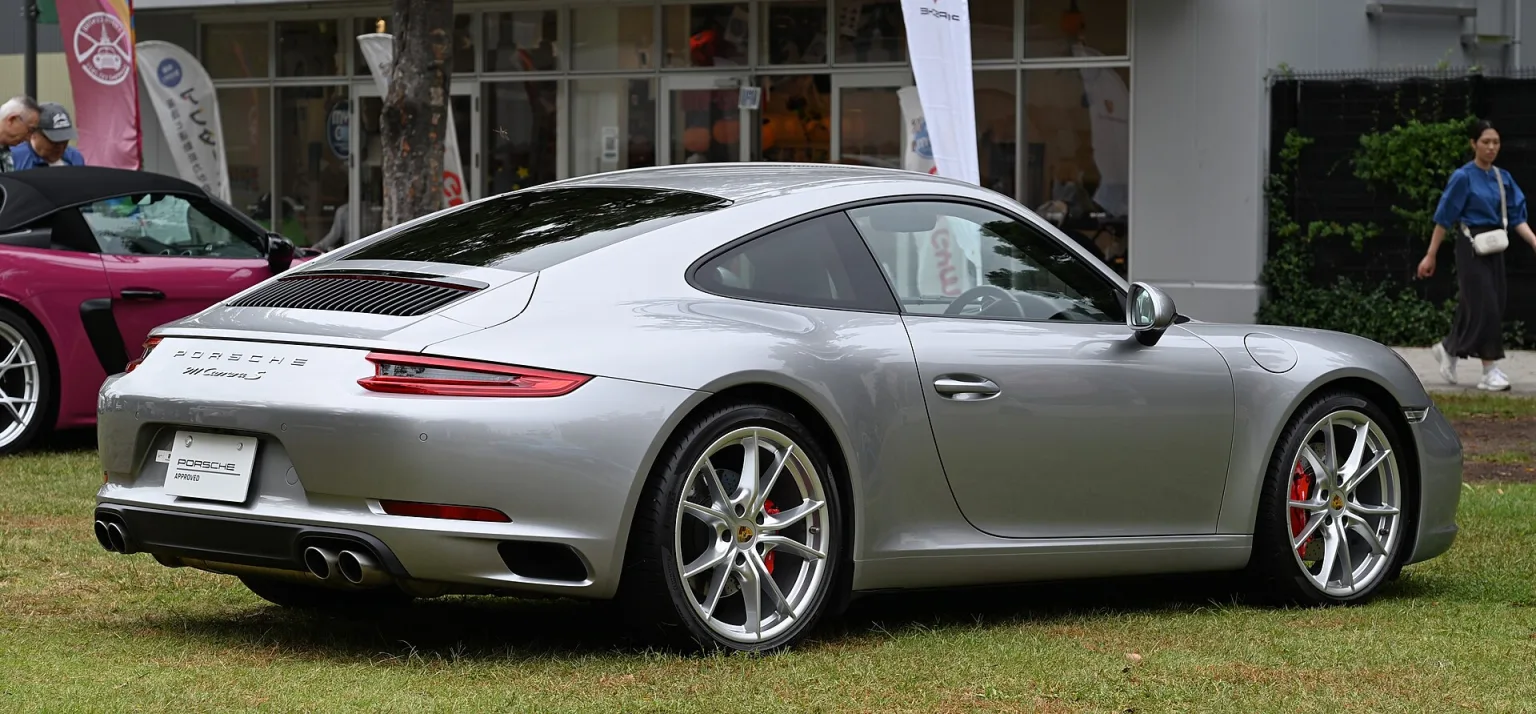
- Porsche led premium car brand loyalty for a fourth year running (58.2%).
- Lexus was the top premium SUV brand (57.4%).
- Honda led mass market SUVs (62.0%), with Subaru close behind (60.6%).
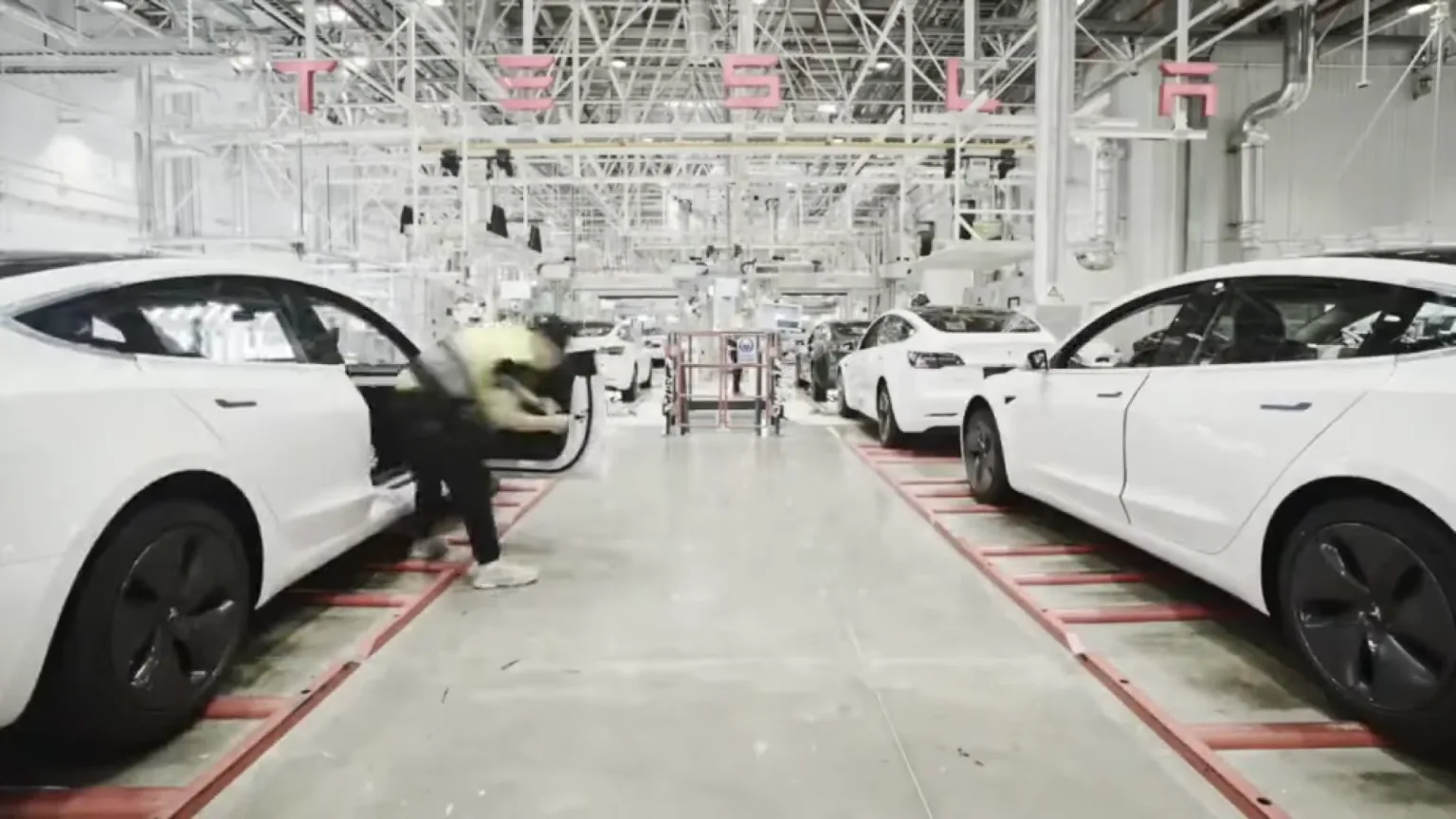
Tesla, which had previously ranked first or second for overall loyalty, dropped to third place with a 55.9% rate. Notably, Tesla's loyalty among owners replacing one EV with another fell from 98% in 2020 to 78% in 2025, highlighting growing competition in the electric segment.
Affordability and fuel type reshape loyalty patterns
Affordability remains a challenge, with average new vehicle prices crossing $50,000 in September 2025 and incentives falling to 6.5% of transaction price. Despite these pressures, large pickups and compact SUVs recorded their highest loyalty rates in years, finishing at 54.8% and 53.0% respectively.
US buyers are adopting electric vehicles more slowly than many expected. EV brand loyalty dropped from 53.1% to 51.3% as policy uncertainty and the expiry of federal tax credits in October 2025 affected purchasing behaviour. Gasoline vehicle loyalty, which had been falling, rebounded from a historic low of 79.7% in September to 84.9% in November after the tax credit changes.
What brand loyalty means for manufacturers
Manufacturers are under pressure to keep owners coming back as high prices, shifting incentives and the move to electrification reshape the market. The studies suggest that meeting expectations throughout the ownership cycle, not just at the point of sale, is now essential to retaining customers. Brands that adapt to these trends, especially around post-sale experience and hybrid or EV support, are likely to maintain an edge as loyalty becomes harder to secure.