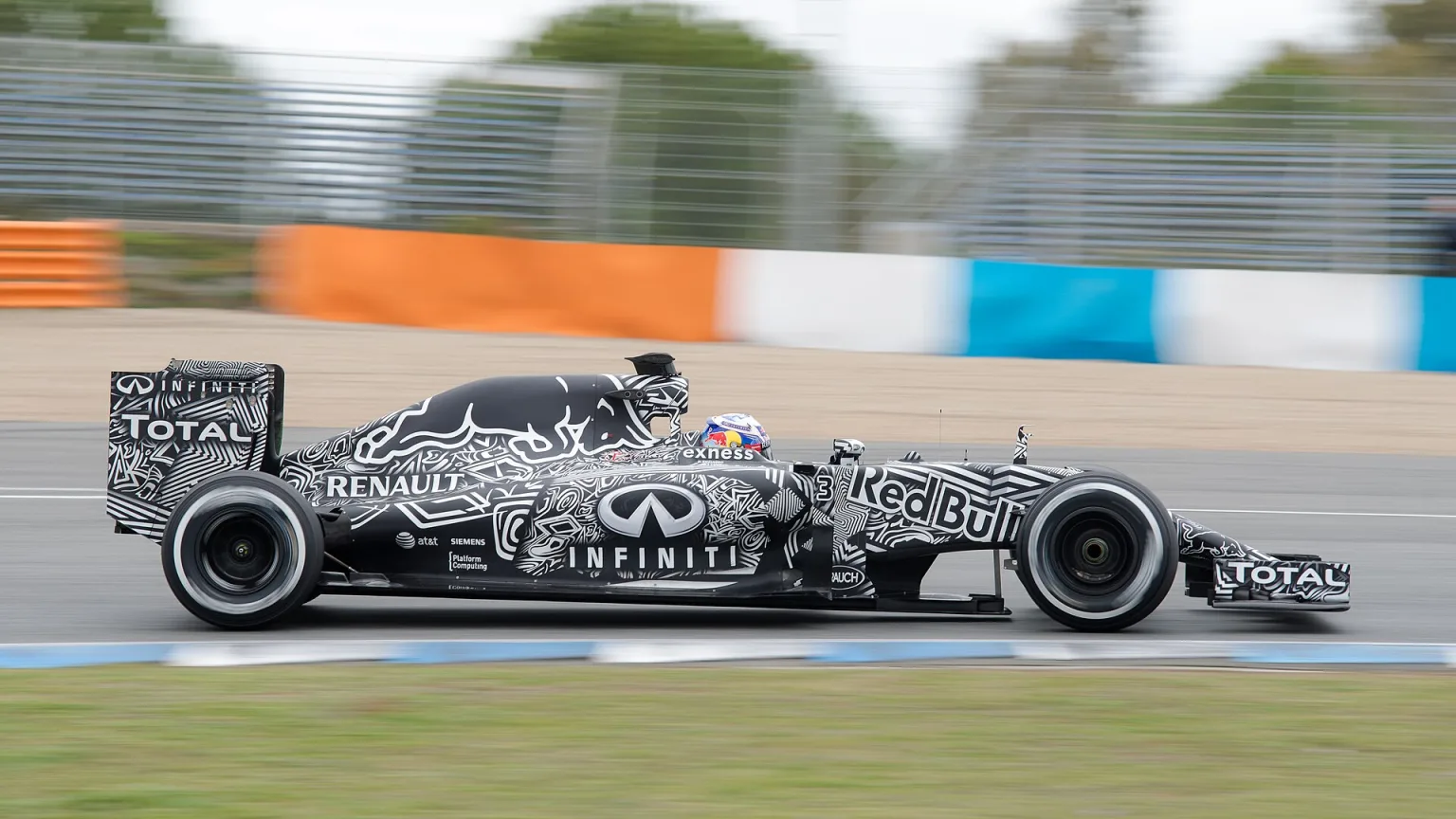
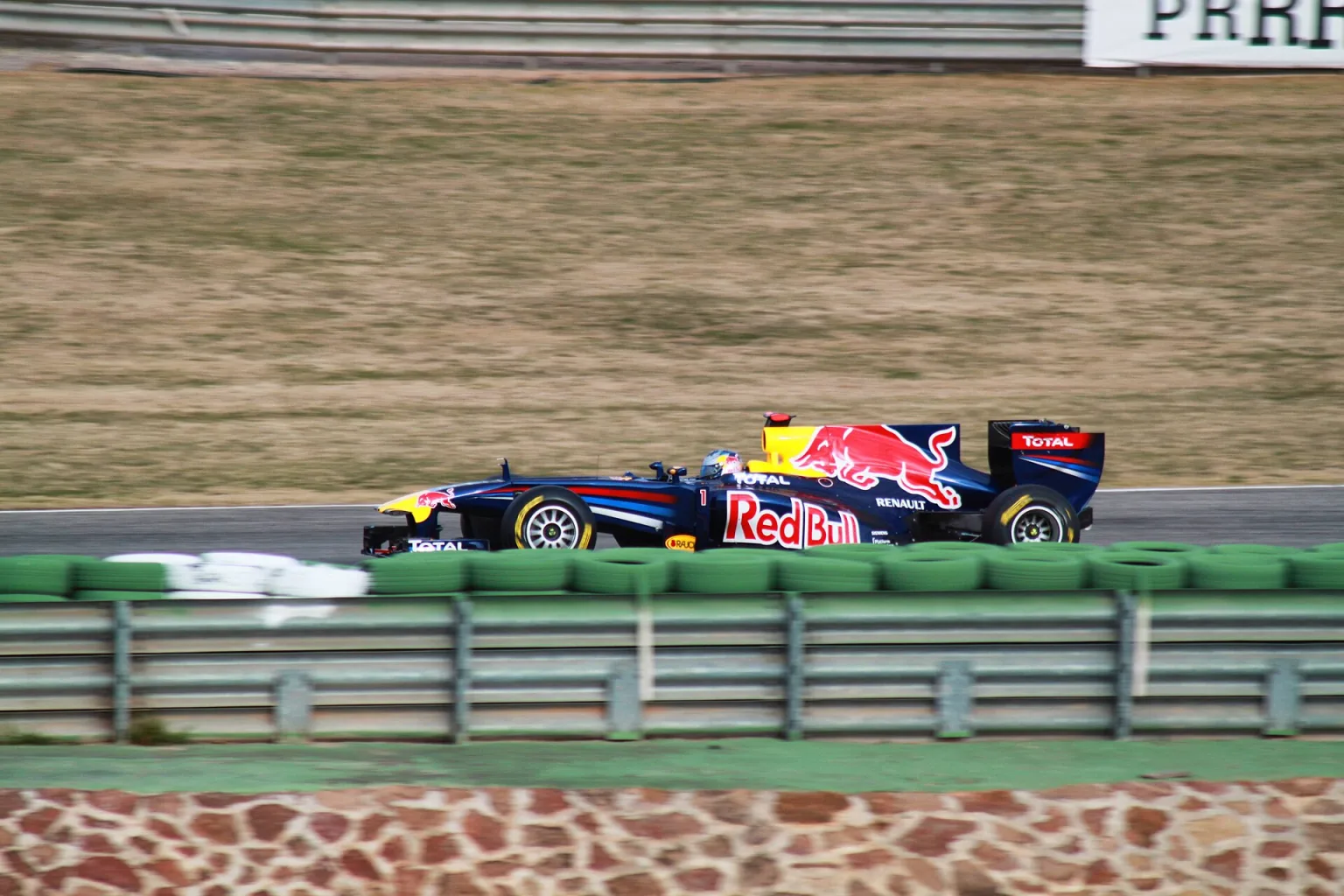
Ecclestone Floats Artificial Boost for F1 V6 Engine Sound
Bernie Ecclestone said Formula 1 could amplify the quieter V6 turbo hybrid engines to address concerns from race promoters and fans after the 2014 season opener.
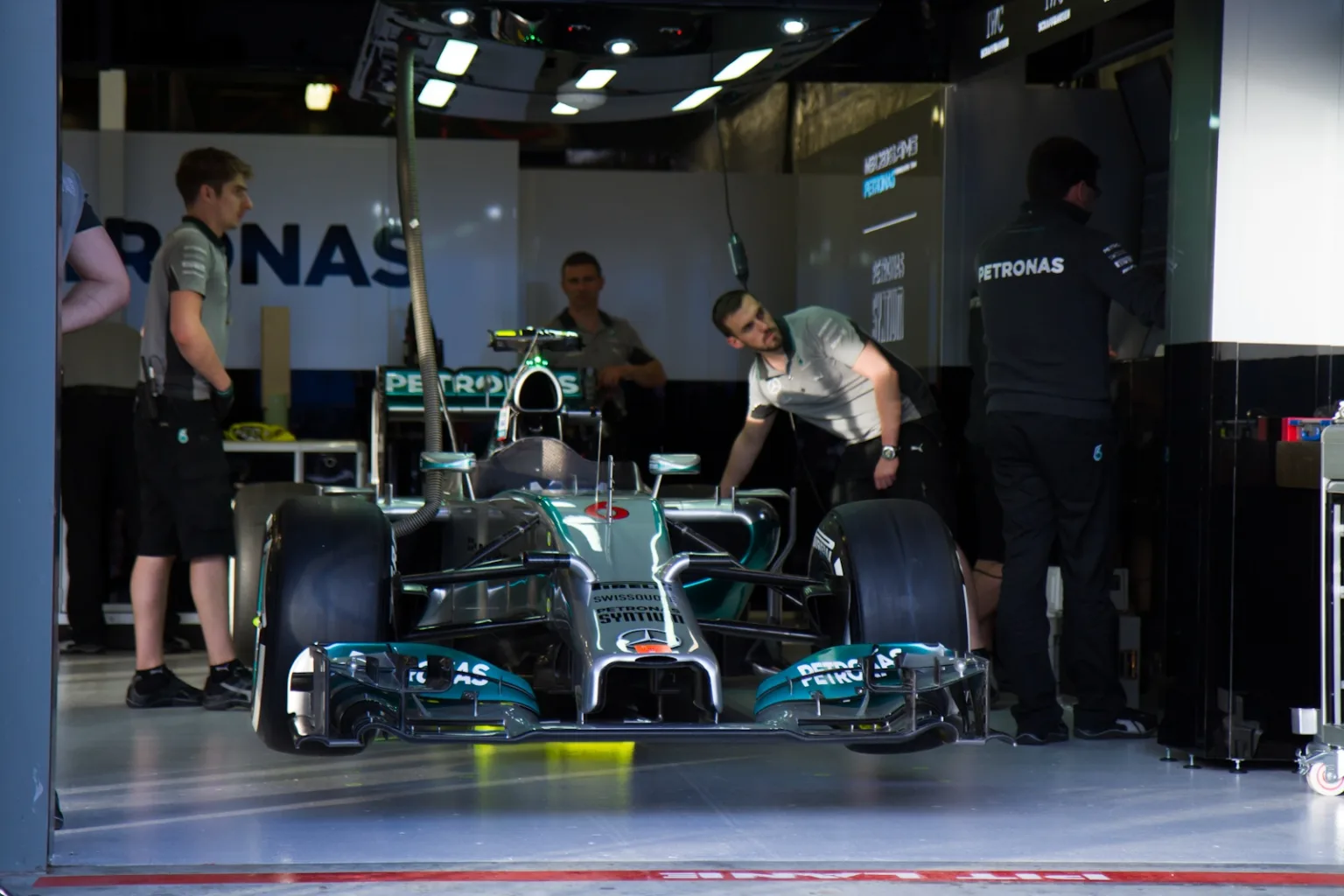
Bernie Ecclestone said Formula 1 could artificially enhance the sound of its new turbocharged V6 engines after widespread complaints about their lack of volume compared to the outgoing V8s. The idea surfaced in March 2014, as the sport introduced 1.6-litre V6 turbo hybrid power units, marking a major shift in technical regulations.
The reaction from promoters was swift. Ron Walker, chairman of the Australian Grand Prix, called the V6 sound “like a lawnmower engine” and said organisers would fight the change. Ecclestone, initially horrified by the lack of noise during the season opener in Australia, warned that the quieter engines risked alienating fans and damaging the live spectacle. He said the issue was less about television and more about the atmosphere for spectators at the circuit.
“The problem is for the people who come here for the Formula 1 atmosphere,” Ecclestone told reporters at the Malaysian Grand Prix. Although he admitted the V6s were “a bit louder than I thought” after hearing them in person, he maintained that a further increase in volume would be needed to satisfy promoters and fans. He floated the idea of artificially amplifying the sound, saying, “Maybe we can make them sound like the current engines.”
Promoters and manufacturers split on engine noise
While circuit bosses and Ecclestone pushed for more noise, engine manufacturers defended the new formula. McLaren’s Eric Boullier and Mercedes’ Toto Wolff argued that the 2014 engines reflected the direction of the road car industry, with a focus on efficiency and hybrid technology. Renault had previously threatened to leave F1 if the sport did not adopt a more relevant engine formula, and Honda confirmed its return for 2015 under the new rules.
Boullier described the new engines as “industry-relevant” and said the change had made the cars more challenging for drivers. Williams’ Claire Williams and Mercedes’ Wolff both suggested that fans would adapt to the new sound, and that the quality of racing mattered more than engine noise. Still, Ecclestone and several promoters maintained that the visceral sound of F1 was integral to the live experience.
Technical and contractual challenges
Ecclestone acknowledged that increasing engine noise would not be straightforward. The new regulations limited fuel flow and capped engine revs well below the 16,000rpm of the previous V8s, restricting the natural volume. Some, like Sky Sports’ Martin Brundle, noted that boosting noise without sacrificing efficiency would be difficult. Brundle suggested that devices such as “a megaphone at the exhaust outlet” might help, but doubted they would fundamentally change the sound.
Promoters expressed concern that the quieter engines could breach existing contracts, which some argue include expectations about the spectacle of F1. Ecclestone said he would investigate options to amplify the sound but stressed that any solution would need to be found quickly to avoid lasting damage to the sport’s image.
What happens next?
Ecclestone indicated that F1 would monitor fan and promoter reaction over the opening races before deciding whether to pursue artificial amplification. The debate highlighted the tension between technical progress and the traditions that underpin Formula 1’s appeal. For now, the possibility of boosting the V6s’ sound remains on the table, but any change would require agreement from teams and engine suppliers.