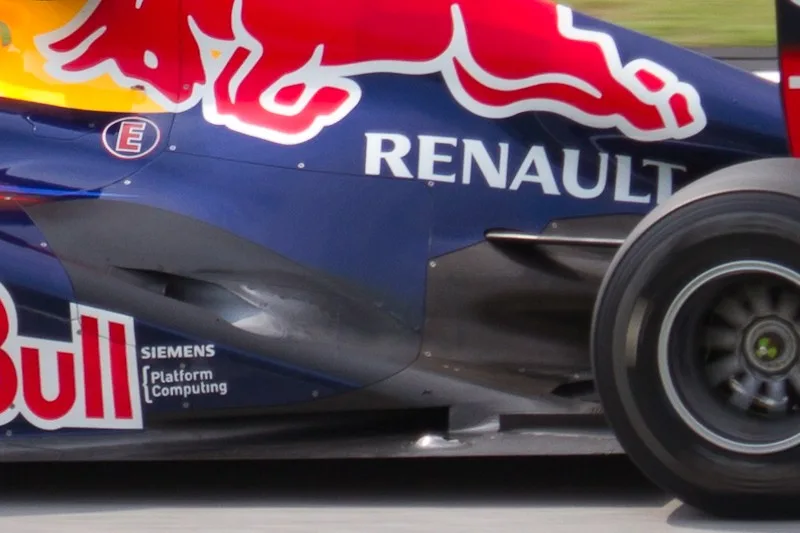
Red Bull and Renault partnership stabilises after management shakeup
Renault's recent management changes and power unit improvements have helped restore confidence in its Formula One partnership with Red Bull, extending their deal through 2018.
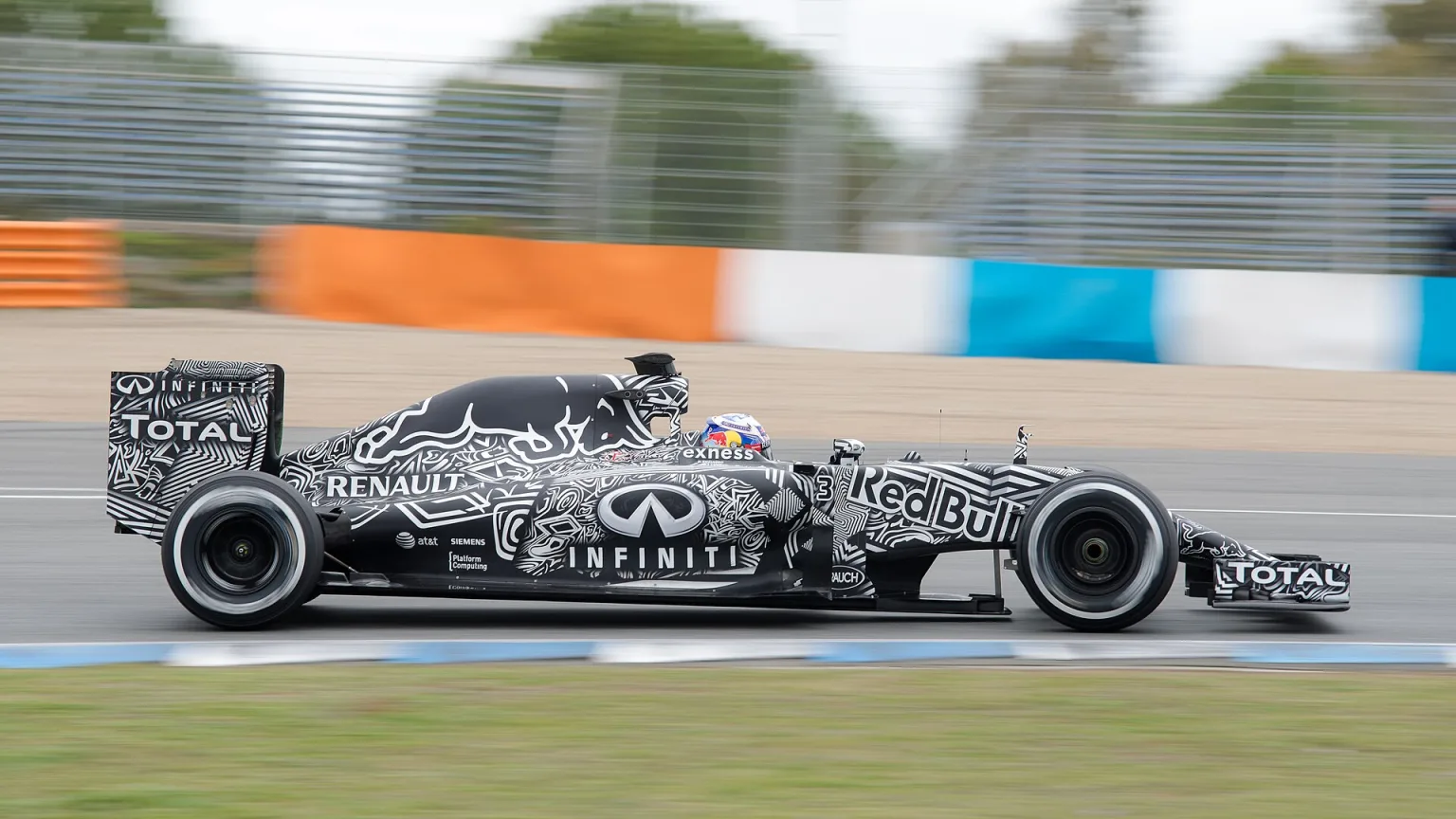
Red Bull Racing and Renault have moved past months of public tension, with both parties confirming a strengthened partnership following key changes at Renault and tangible gains from its latest Formula One power unit development.
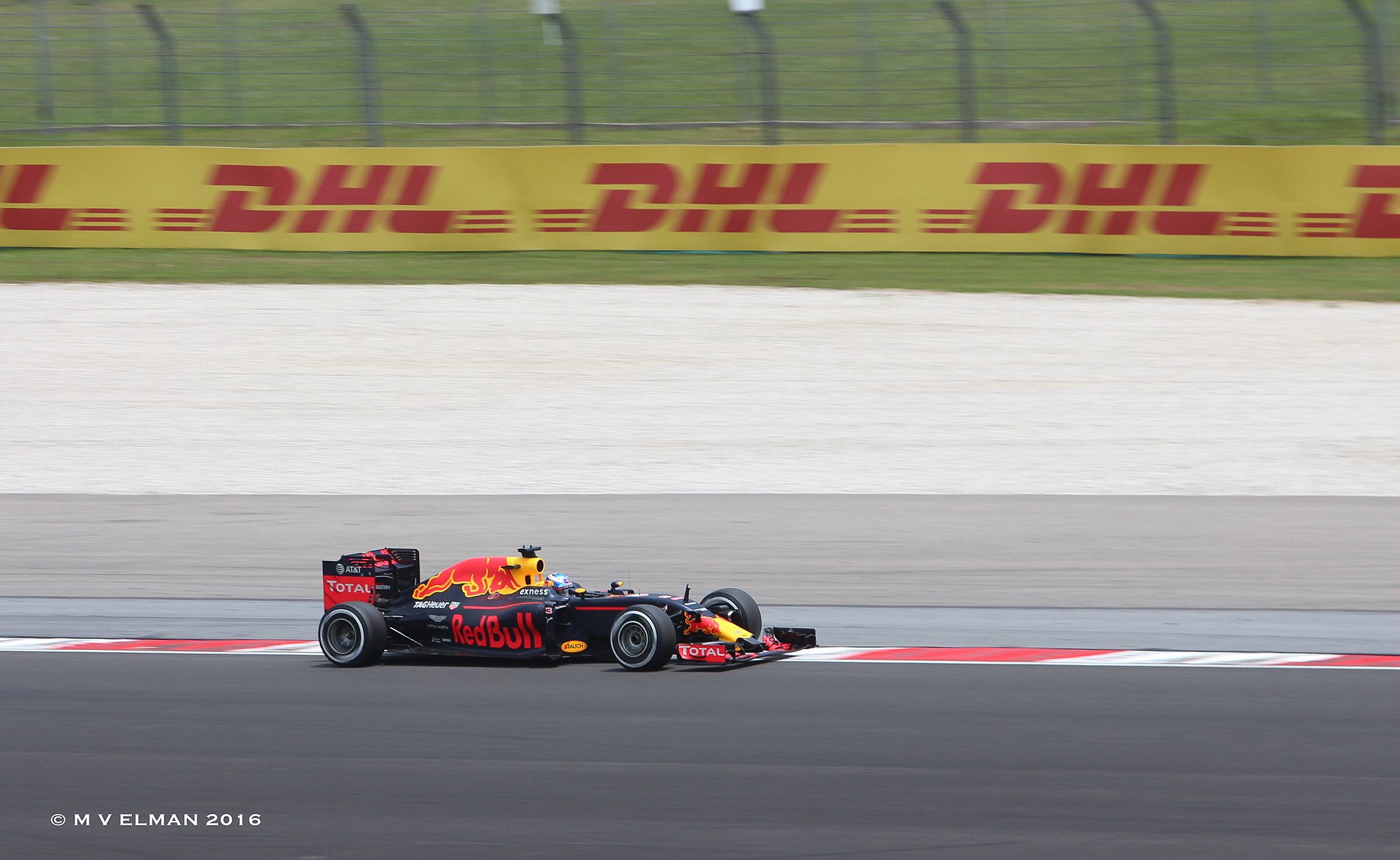
The relationship had reached a low point in early 2016, as Red Bull openly criticised Renault’s performance and reliability issues with the new hybrid turbo V6. At one stage, Red Bull sought to end the partnership, exploring alternatives with other engine suppliers and even running the Renault engine under a TAG Heuer badge to distance itself from the French marque.
Renault responded with a management shakeup, bringing back Cyril Abiteboul and parting ways with president Jean-Michel Jalinier. The move was intended to address the on-track shortcomings and signal a renewed commitment to Formula One. According to Red Bull team principal Christian Horner, the new leadership at Renault has shown a willingness to acknowledge the problems and implement changes to close the gap to Mercedes, the dominant force in the hybrid era.
Technical progress and contract extension
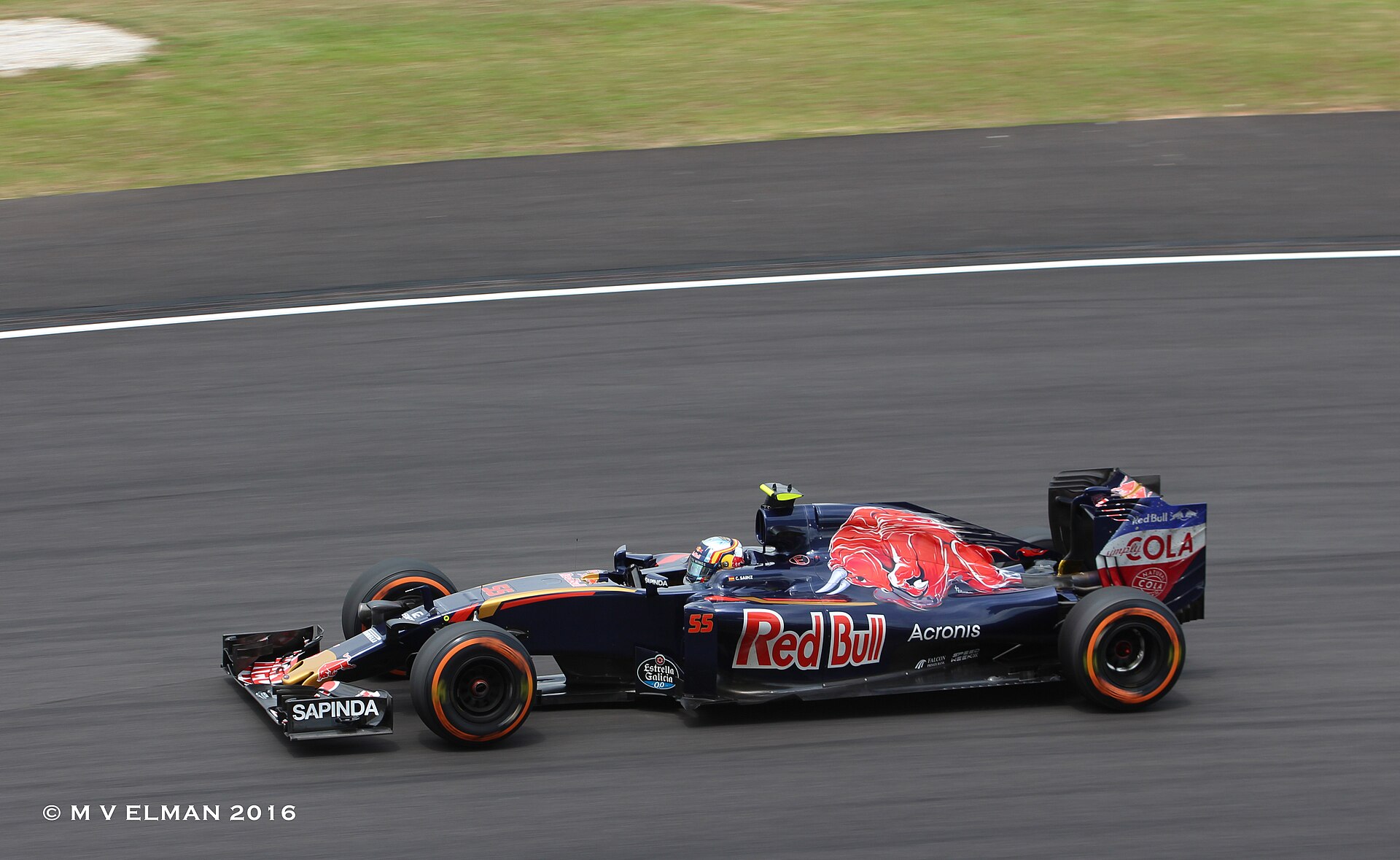
Renault’s latest power unit upgrade has delivered an estimated 30bhp increase, taking the engine’s output well beyond 900bhp. This improvement was evident at Monaco, where Daniel Ricciardo secured Red Bull’s first pole position of the season. The progress convinced Red Bull to extend its engine supply agreement with Renault through the 2018 season. The deal also covers junior team Toro Rosso, which will switch from Ferrari to Renault engines in 2017.
- Red Bull Racing: Will continue with Renault (TAG Heuer-badged) engines for 2017 and 2018.
- Toro Rosso: Switching from Ferrari to Renault engines for 2017 and 2018.
Both teams will have the option to badge the Renault power unit as they wish. The partnership, which began in 2007, has already produced four consecutive constructors’ and drivers’ titles between 2010 and 2013, making it one of the most successful chassis-engine collaborations in recent Formula One history.
Impact for teams and suppliers
Renault’s renewed commitment and technical progress have stabilised its relationship with Red Bull at a time when the team had few competitive alternatives. For Toro Rosso, the switch to Renault brings both teams under a common powertrain strategy, potentially simplifying development and logistics. The improved engine performance is expected to make both Red Bull-owned teams more competitive against rivals, though Horner cautioned that closing the gap to Mercedes will take time.