Ecclestone skips Hockenheim as German arrest rumours swirl
Bernie Ecclestone was absent from the 2012 German Grand Prix at Hockenheim amid speculation over a possible arrest linked to the Gribkowsky bribery case.
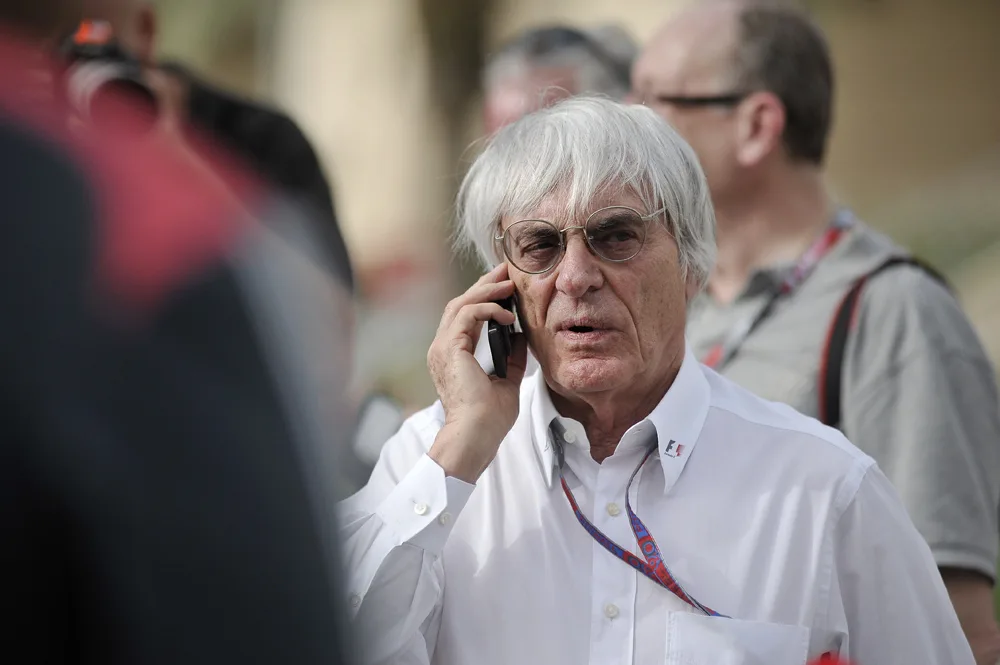
Bernie Ecclestone did not appear at Hockenheim on Saturday during the 2012 German Grand Prix weekend, despite previously saying he would attend. The Formula One chief executive’s absence came as German prosecutors intensified their investigation into alleged bribery surrounding the sale of F1 rights, following the conviction of former banker Gerhard Gribkowsky.
In the build-up to the race, German media reported that Munich prosecutors were considering charges against Ecclestone, after Gribkowsky was sentenced to eight and a half years for accepting bribes. Ecclestone, 81 at the time, was accused by the court of being complicit in the payment, although he maintained that he was a victim of extortion and had only paid Gribkowsky to prevent trouble with British tax authorities.
Ecclestone told German magazine Focus that he had paid Gribkowsky £10 million under duress, but denied wrongdoing. Despite public statements that he would attend the German Grand Prix, speculation mounted that he might be arrested if he set foot in Germany. Local newspapers, including Bild, suggested he would skip Hockenheim to avoid legal risk.
Legal pressure and paddock uncertainty
On the Saturday of the race weekend, Ecclestone’s absence was noted across the paddock. According to reports, several meetings scheduled with him at Hockenheim were cancelled. A source close to Ecclestone insisted at the time that he would attend the race on Sunday, but the uncertainty fuelled speculation about the risk of arrest.
Gribkowsky’s lawyer, Daniel Amelung, told German radio that he doubted prosecutors would arrest Ecclestone without clear grounds, pointing out the potential for substantial damages if he were jailed and later acquitted. Nevertheless, the Financial Times described the prosecutors’ attitude as increasingly aggressive. Ecclestone himself said he had "no idea" whether charges would be brought, while British authorities had also begun investigating the tax aspects of the case in cooperation with their German counterparts.
Impact on Formula One and stakeholders
The uncertainty surrounding Ecclestone’s legal situation added to tensions in the F1 paddock. With Mercedes-Benz still holding out on signing a new Concorde Agreement and sponsors expressing concern, the leadership vacuum was keenly felt. The outcome of the investigation, and whether formal charges would be brought against Ecclestone, remained unclear at the time.
Ecclestone’s absence from a major European race was unusual, though not unprecedented. For teams, sponsors and circuit organisers, the prospect of a protracted legal battle involving F1’s chief executive raised questions about the sport’s governance and stability.
No arrest warrant was issued for Ecclestone during the Hockenheim weekend, and he was not detained by German authorities at that time. The investigation, however, signalled a period of uncertainty for Formula One’s commercial leadership. For a detailed account of how the legal proceedings developed, seeEcclestones Bribery Trial Extended.