F1 Teams Voice Frustration Over 2013 Pirelli Tyres After China
McLaren’s Martin Whitmarsh and several drivers criticised the rapid tyre degradation seen at the Chinese Grand Prix, raising questions about the direction of Formula One racing.
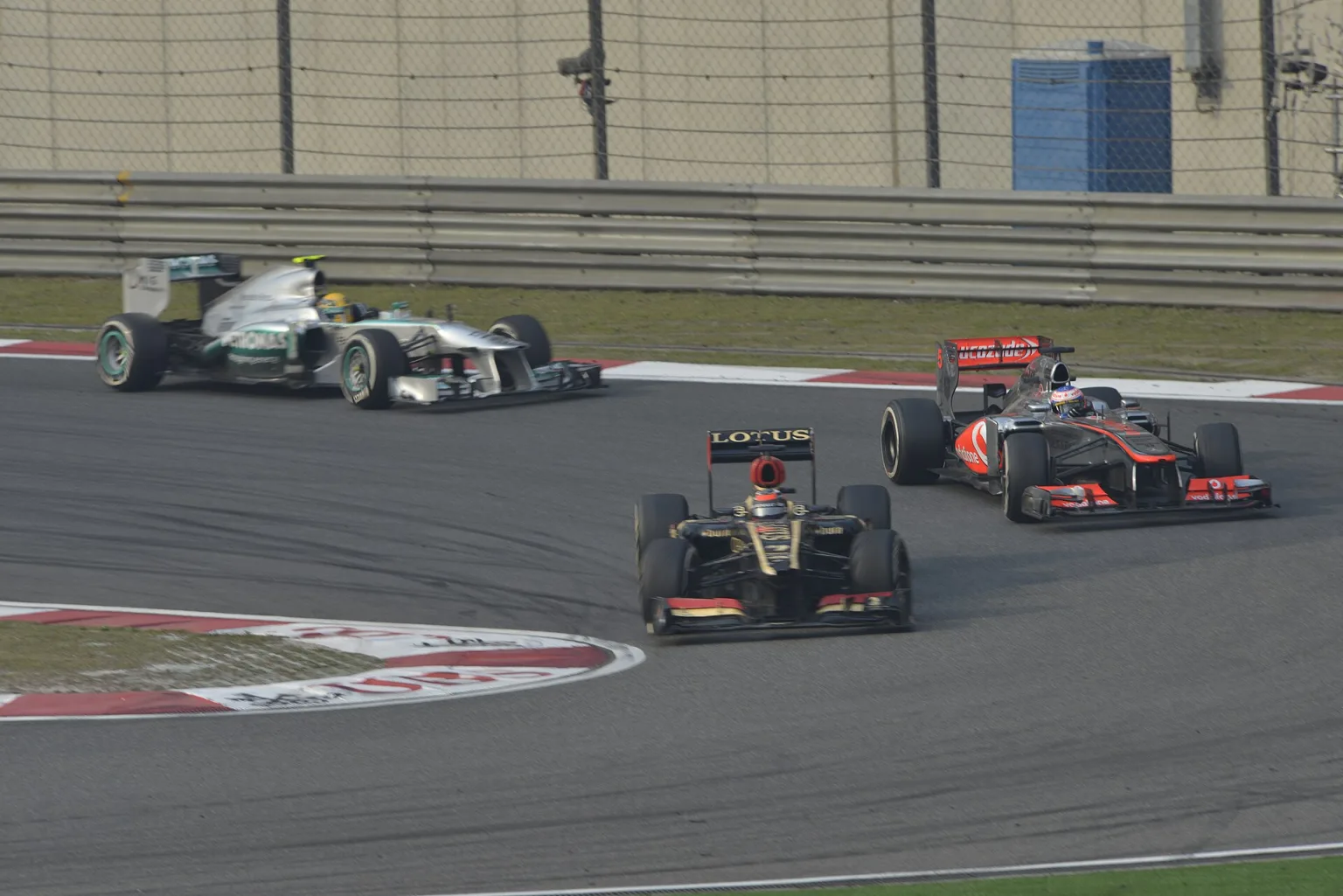
McLaren team principal Martin Whitmarsh described the 2013 Formula One tyre situation as “painful” following the Chinese Grand Prix, as teams and drivers struggled with the rapid degradation of Pirelli’s compounds throughout the race weekend in Shanghai.
The event saw drivers and engineers focusing more on tyre preservation than outright pace, with Whitmarsh admitting the need to save tyres from lights to flag was “excruciating”. He said the demands placed on both teams and drivers were far from ideal, suggesting the spectacle suffered as a result.
Drivers and teams forced into tyre management
The Shanghai race highlighted the extent to which tyre management dictated strategy. Radio messages revealed teams urging drivers to avoid battles and stick to carefully calculated plans, often sacrificing on-track action to protect tyre life. Sebastian Vettel, the reigning world champion at the time, said the situation had little to do with the skill of the driver or the car’s performance, as losing several seconds per lap to conserve tyres had become common. He described the balance of power in the field as a “joke”, with overtaking and defending now heavily dictated by tyre condition rather than outright racing ability.
Former world champion Jacques Villeneuve, now a TV pundit, echoed these concerns. He pointed out that after brief moments of action, drivers immediately reverted to tyre conservation, which he argued was not real racing. The overall feeling in the paddock was that the current specification of Pirelli tyres had shifted the focus away from traditional competition and towards endurance-style tactics.
Spectator experience and possible changes ahead
Questions were raised about the impact on fans, with even Chinese Grand Prix winner Fernando Alonso admitting the complexity of tyre management was confusing for drivers as well as spectators. Niki Lauda, speaking to APA news agency, questioned whether it was necessary for tyres to be pushed to such extremes that multiple pit stops became inevitable within the opening stages of a race.
The controversy around tyre performance followed a period when Formula One had been criticised for processional races, with little overtaking and predictable results. The 2013 Pirelli tyres were intended to shake up the order and introduce more strategic variety. However, the reaction from teams and drivers suggested the pendulum had swung too far, with many calling for a more balanced approach that would allow for genuine racing without excessive tyre preservation.
With Pirelli expected to adjust its compounds for the European season, the outcome of the Bahrain Grand Prix would be closely watched by those hoping for a return to more traditional racing dynamics.
- For more on driver concerns about tyre safety and performance, see /failing-tyres-too-much-says-massa
- McLaren’s ongoing efforts to improve its 2013 car are covered at /mclaren-begins-task-to-improve-flawed-2013-car