Ferrari 360 Spider destroyed in Pittsburgh highway crash
A Ferrari 360 Spider was written off after a serious accident on a Pittsburgh highway, leaving the mid-engined supercar beyond repair.
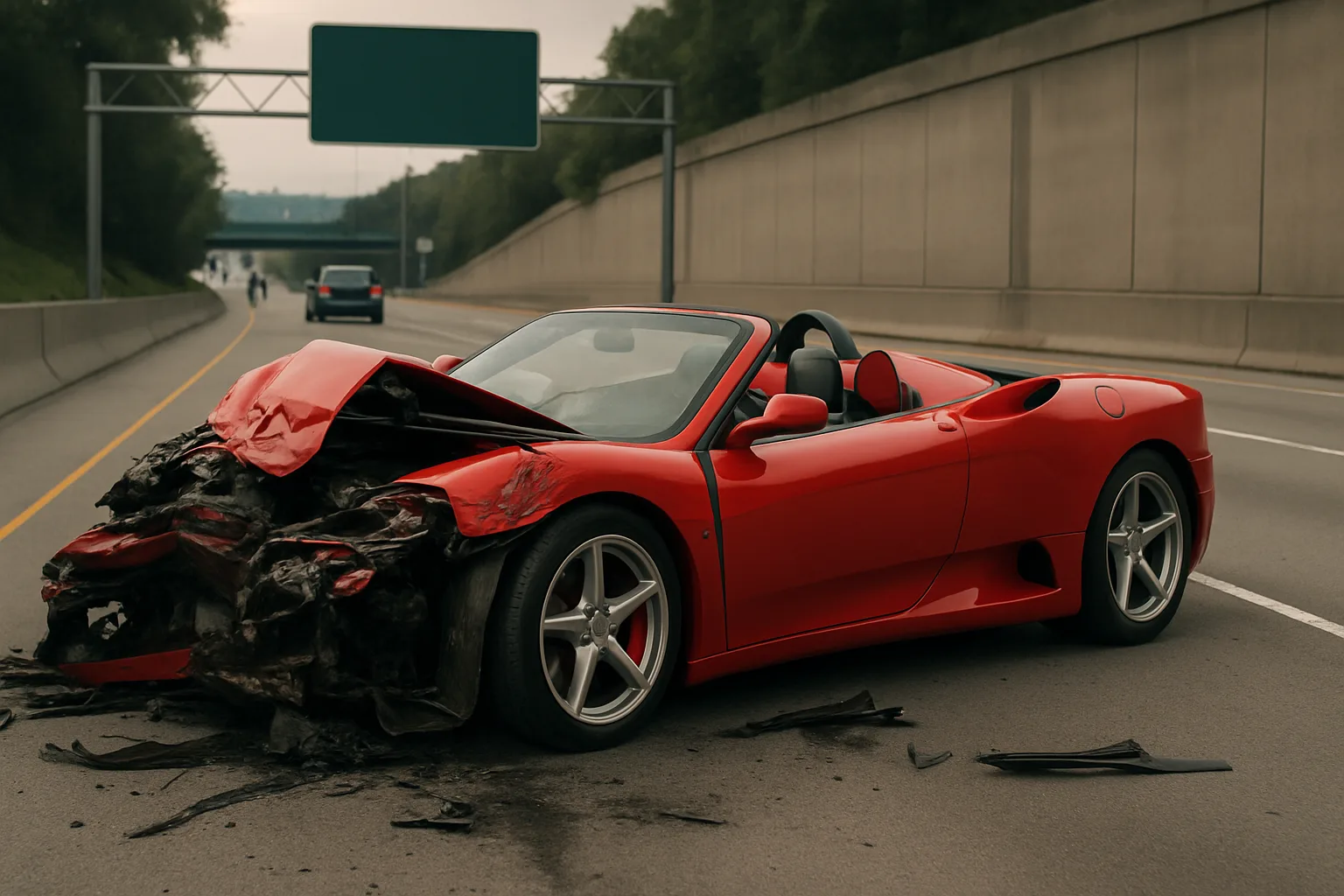
A Ferrari 360 Spider was destroyed in a high-speed crash on a highway near Pittsburgh, Pennsylvania, leaving the Italian supercar a total loss. The incident, reported by wreckedexotics.com, involved the convertible version of Ferrari’s 360 series and occurred in the United States in September 2012. The crash has drawn attention due to the rarity and value of the vehicle, as well as the severity of the damage sustained.
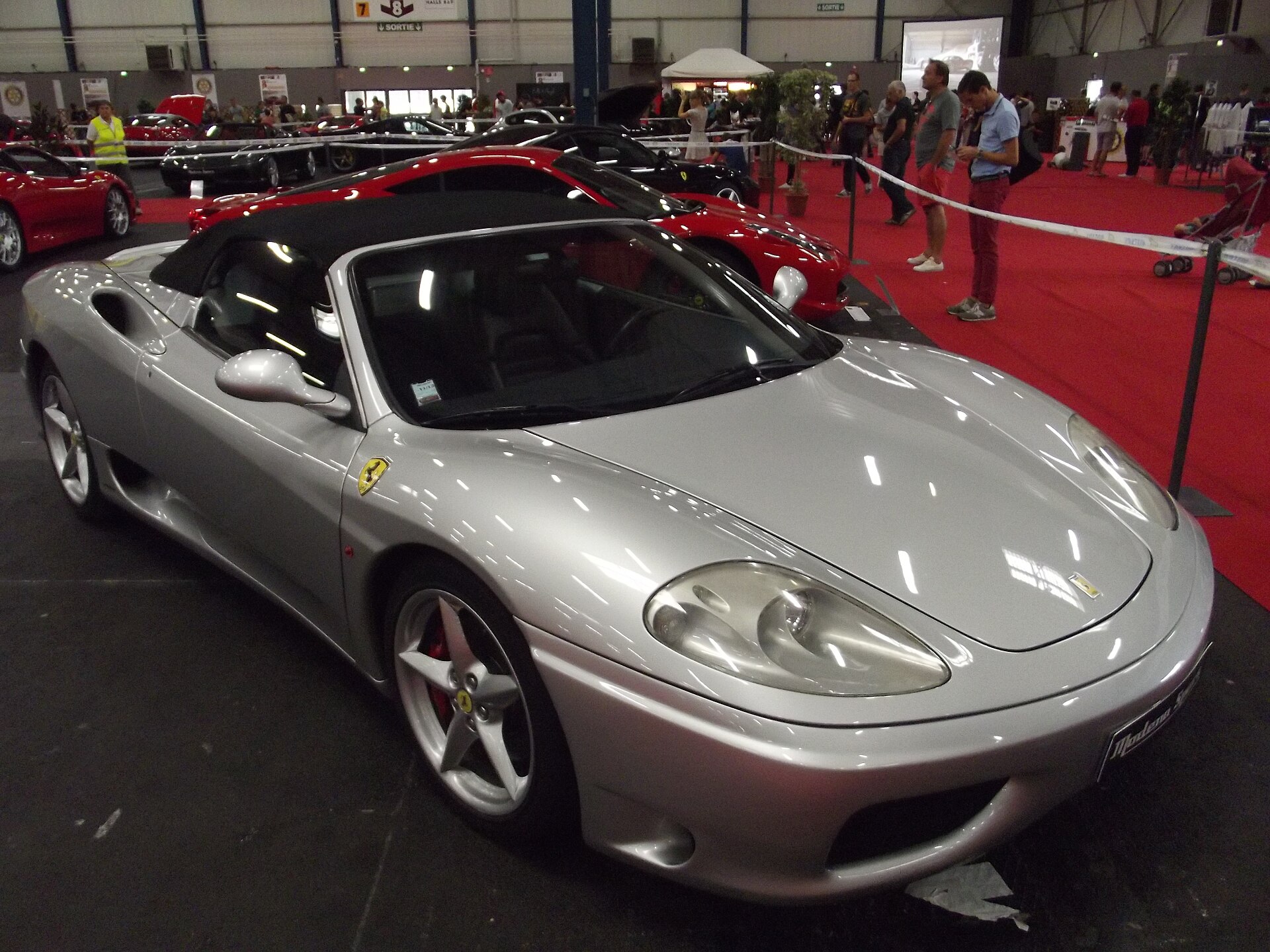
Ferrari 360 Spider Destroyed in Pittsburgh Crash
Details of the Incident
Images of the aftermath show the 360 Spider with extensive damage, particularly to the front and sides, indicating a high-energy impact. The vehicle was declared a write-off, with the damage considered beyond repair. No official details have been released on the cause of the crash or whether other vehicles were involved. There are no confirmed reports of injuries resulting from the incident, and local authorities did not provide further comment at the time.
The crash occurred on a highway near Pittsburgh, highlighting the risks associated with driving high-performance vehicles at speed on public roads. While the precise circumstances remain unclear, the outcome was a total loss for the owner, with the car’s remains photographed and circulated among automotive enthusiasts online.
Ferrari 360 Spider: Performance and Risks
The Ferrari 360 Spider, produced from 2000 to 2005, is powered by a naturally aspirated 3.6-litre V8 engine producing 400 bhp. It shares its mechanicals with the 360 Modena coupé, delivering 0–60 mph in 4.4 seconds and a top speed of 180 mph. The Spider’s open-top design and mid-engined layout make it a favourite among enthusiasts, but also amplify the risks when accidents occur at speed.
The 360 Spider’s aluminium chassis and lightweight construction provide strong performance, but offer limited protection in severe crashes compared to more recent supercars, which have benefited from advances in safety technology. The combination of high power, rear-wheel drive, and a mid-engine layout can make the car challenging to control at the limit, particularly for less experienced drivers.
Crash Safety Context and Similar Incidents
The Pittsburgh crash adds to a series of high-profile Ferrari accidents in the US and abroad. The rarity and value of the 360 Spider mean that each loss is significant for collectors and owners, with repair often uneconomical after severe structural damage. For reference, similar incidents have involved the Ferrari F430 Spider in Florida and the Ferrari FF in Boston, both of which ended with cars written off after road accidents.
- Ferrari 360 Spider (2000–2005): 3.6-litre V8, 400 bhp, 0–60 mph in 4.4 seconds
- Ferrari F430 Spider: also involved in high-profile US crashes
- Ferrari FF: crashed in Boston, written off
High-performance vehicles like the 360 Spider are often involved in dramatic crashes, partly due to their capabilities exceeding those of ordinary cars and, sometimes, their drivers. In the United States, incidents involving Ferraris and other exotics are regularly documented by specialist websites such as wreckedexotics.com, which track and share details of supercar accidents worldwide.
Aftermath and Insurance Implications
In cases like this, insurance typically writes off the vehicle due to the high cost of sourcing Ferrari parts and the complexity of repairs. Owners of rare supercars face lengthy claims processes and, depending on policy terms, may not recover the car’s full market value. For many, the financial loss is compounded by the difficulty of replacing a rare model like the 360 Spider, which has become increasingly sought after among collectors.
The accident serves as another reminder of the risks involved in driving high-powered, mid-engined exotics on public roads. While modern supercars have made significant advances in active and passive safety, older models like the 360 Spider offer less protection in the event of a crash. This reality, combined with the high speeds these cars can reach, underlines the importance of caution and skill when behind the wheel of such vehicles.
Impact on Collectors and Enthusiasts
The loss of a Ferrari 360 Spider in a crash is not just a financial blow, but also reduces the number of these vehicles available to collectors and enthusiasts. As time passes, well-preserved examples become rarer, and each accident further diminishes the pool of surviving cars. This can lead to increased values for remaining examples, but also highlights the challenges of maintaining and insuring classic exotics.
For Ferrari owners and fans, incidents like the Pittsburgh crash reinforce the need for responsible driving and proper driver training, especially when handling vehicles with such high performance potential. The story of the 360 Spider’s demise serves as a cautionary tale for those considering the ownership of powerful supercars, emphasising that even the most desirable cars are not immune to the dangers of the road.