Ferrari 458 Italia splits in half after high-speed crash in Alabama
A 2013 Ferrari 458 Italia was destroyed in Birmingham, Alabama, after the driver lost control and struck a tree, causing the car to break apart.
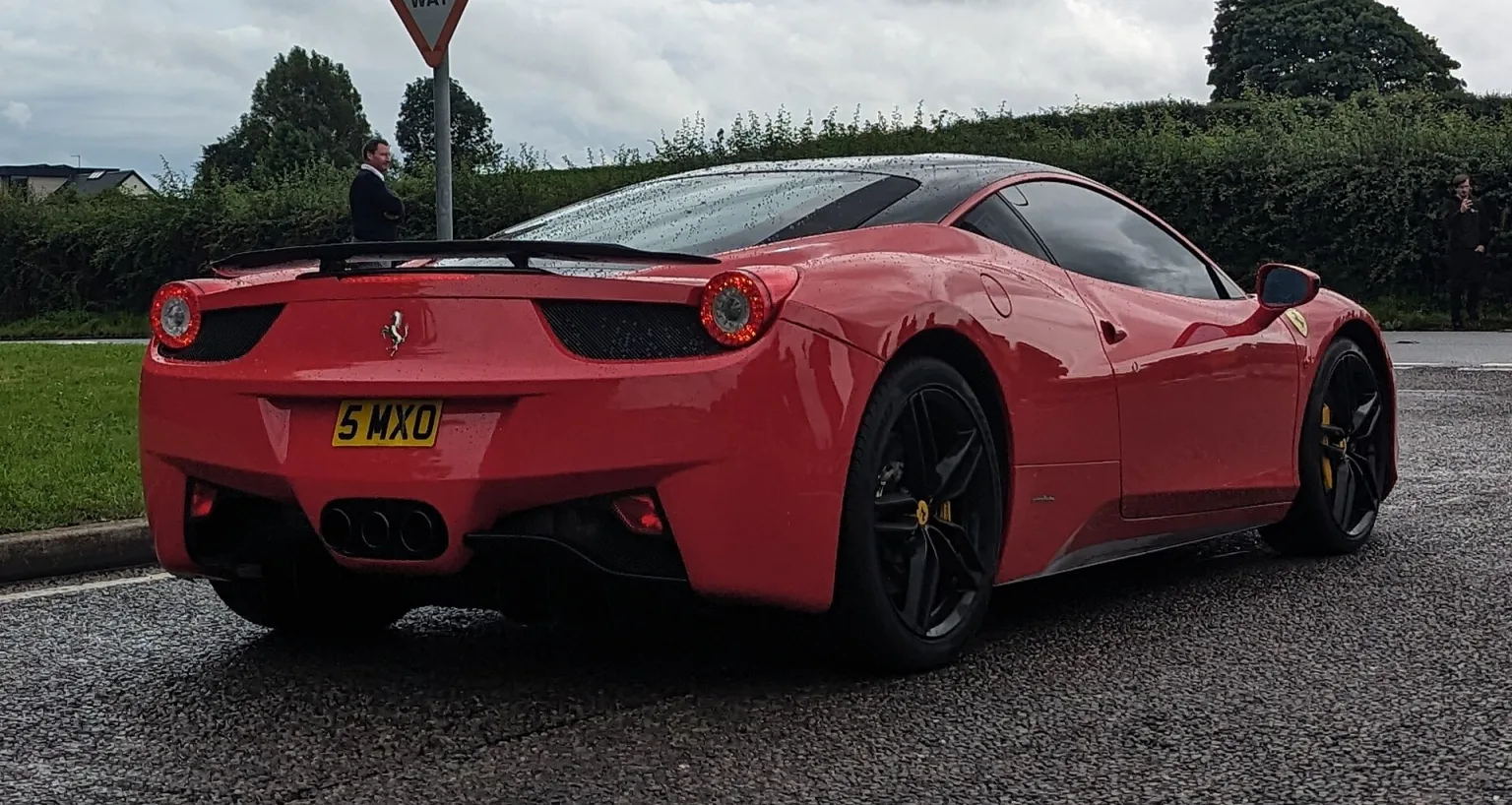
A Ferrari 458 Italia was left in two pieces after a high-speed crash in Birmingham, Alabama. The incident involved a 2013 model, which struck a tree with enough force to split the car in half. The driver reportedly lost control before the impact, resulting in a dramatic scene that left the supercar’s rear section separated from the passenger cell.
Ferrari 458 Italia Splits in Half After High-Speed Crash
Crash Details and Scene
Images from the scene show the aftermath of the crash, with the Italian supercar’s rear section completely detached from the main passenger compartment. This type of separation is sometimes seen in high-speed impacts with solid, immovable objects such as trees or poles. The Ferrari 458 Italia, like many modern supercars, is built with crash safety in mind. Its chassis and body are designed to break apart in specific ways during a severe collision, dissipating energy and helping to protect those inside the car.
There has been no official confirmation regarding injuries or the condition of the driver and any passengers. Emergency services responded to the scene, but further details have not been released at this time. Such incidents highlight the risks associated with high-performance vehicles, especially when driven at speed on public roads.
Ferrari 458 Italia: Power and Performance
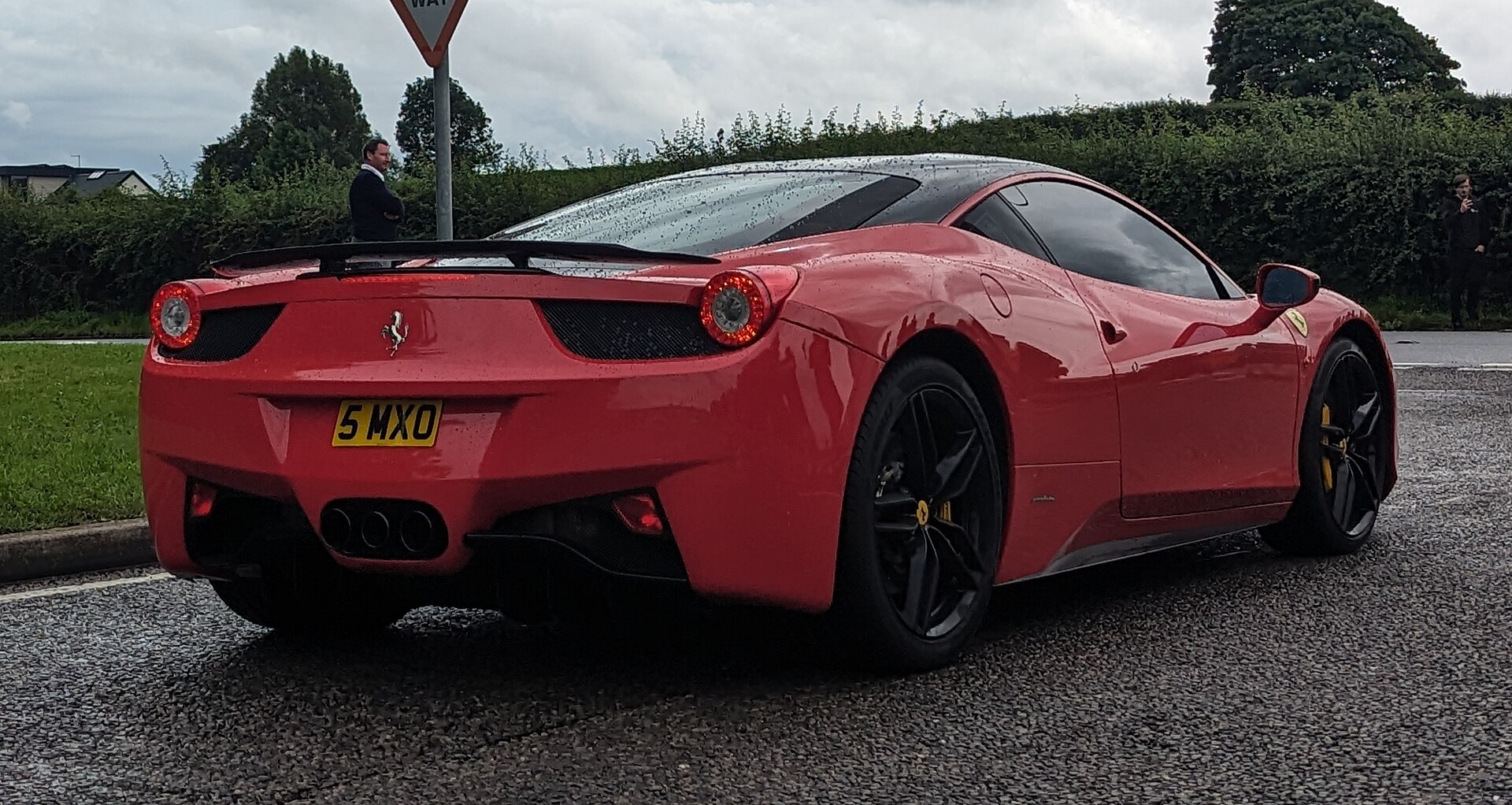
The Ferrari 458 Italia, introduced in 2009, is renowned for its combination of power, agility, and advanced engineering. The car is powered by a 4.5-litre naturally aspirated V8 engine, which produces 562bhp (419kW) and 540Nm of torque. This engine is paired with a seven-speed dual-clutch transmission, delivering power to the rear wheels. The 458 Italia is capable of accelerating from 0 to 100km/h in just 3.3 seconds, with a top speed of 325km/h (202mph).
| Engine | 4.5-litre V8 |
|---|---|
| Power | 562bhp (419kW) |
| Torque | 540Nm |
| Transmission | 7-speed dual-clutch automatic |
| 0-100km/h | 3.3 seconds |
| Top speed | 325km/h (202mph) |
The 458 Italia’s lightweight aluminium chassis and mid-engine layout contribute to its agility and straight-line speed. Both the coupe (Italia) and convertible (Spider) versions feature two seats, a rear mid-engine configuration, and rear-wheel drive. The car’s design is focused on delivering performance while incorporating safety features such as a rigid passenger cell and advanced crumple zones.
Why Supercars Split in Severe Crashes
One of the most striking aspects of this crash is the Ferrari splitting in half. While dramatic, this is a deliberate aspect of modern supercar engineering. Manufacturers like Ferrari design the chassis in such a way that, in the event of a severe impact, the engine and rear subframe can separate from the passenger compartment. This helps to direct crash energy away from the occupants and can increase the chance of survival in otherwise unsurvivable accidents. The rigid passenger cell is meant to remain as intact as possible, while other components absorb and dissipate energy.
Supercar Crashes: A Recurring Issue
Crashes involving high-performance cars such as the Ferrari 458 Italia are not uncommon, particularly in countries like the United States where these vehicles are often driven on public roads. The combination of significant power, rear-wheel drive, and lightweight construction demands considerable skill and respect from drivers. Loss of control can occur quickly, especially in unfavourable conditions or at high speeds.
The Ferrari 458 Italia has been involved in several high-profile incidents worldwide, including crashes in London, Ireland, and China. These events often attract attention due to the rarity and value of the vehicles involved, as well as the dramatic nature of the crashes themselves. While advanced safety features can mitigate some risks, the laws of physics ultimately dictate the outcome of high-speed impacts with immovable objects.
Consequences and Aftermath
In the aftermath of such crashes, owners and insurance companies often face substantial financial losses. Repairing or replacing a supercar like the Ferrari 458 Italia can cost hundreds of thousands of pounds, and in cases where the car is split in half, it is typically declared a total loss. Additionally, these incidents can lead to increased scrutiny regarding supercar safety and driver responsibility, sometimes prompting calls for stricter regulations or additional training for those who own and operate high-performance vehicles.
For enthusiasts and the general public, these crashes serve as a reminder of the importance of respecting the power and capabilities of exotic cars. While supercars are engineered with advanced safety features, responsible driving remains the most effective way to prevent such catastrophic accidents.
Summary
The recent crash in Birmingham, Alabama, involving a Ferrari 458 Italia that split in half after hitting a tree, underscores both the impressive engineering of modern supercars and the risks associated with high-speed driving. As investigations continue and more details emerge about the incident, it stands as a stark example of the importance of safety, both in vehicle design and in driver behaviour.