Verstappen cleared after yellow flag investigation in Singapore Sprint Qualifying
Max Verstappen keeps pole for the Singapore Sprint after stewards found he reacted correctly to yellow flags despite overtaking Hamilton during SQ1.
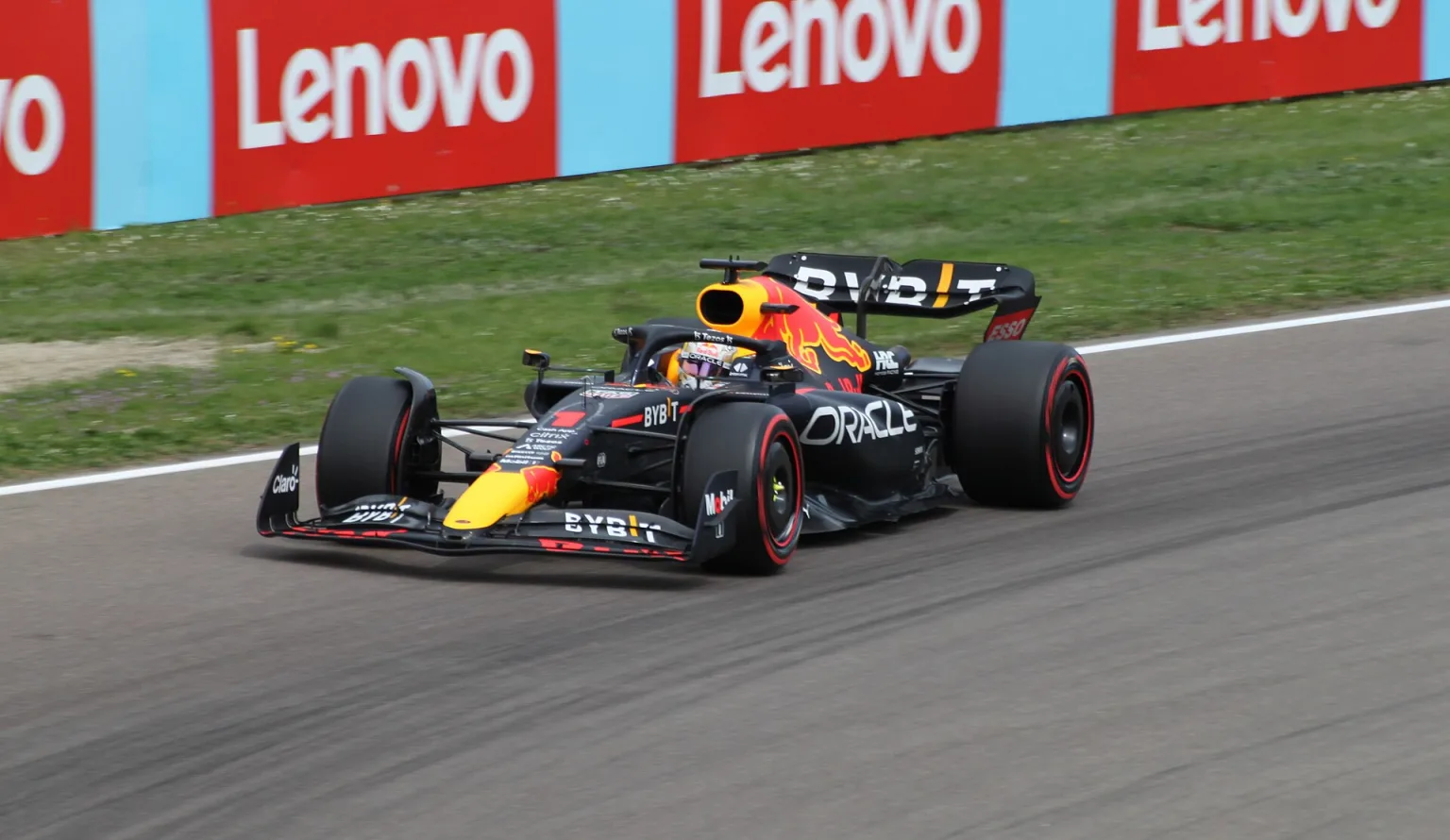
During Sprint Qualifying (SQ1) at the 2023 Singapore Grand Prix, Sergio Perez crashed into the barriers, prompting marshals to wave single yellow flags in the affected sector. Yellow flags signal drivers to slow down and be prepared to stop if necessary, as there may be hazards on or near the track. Overtaking is not permitted under yellow flag conditions, and drivers are expected to show caution.
Background to the Incident
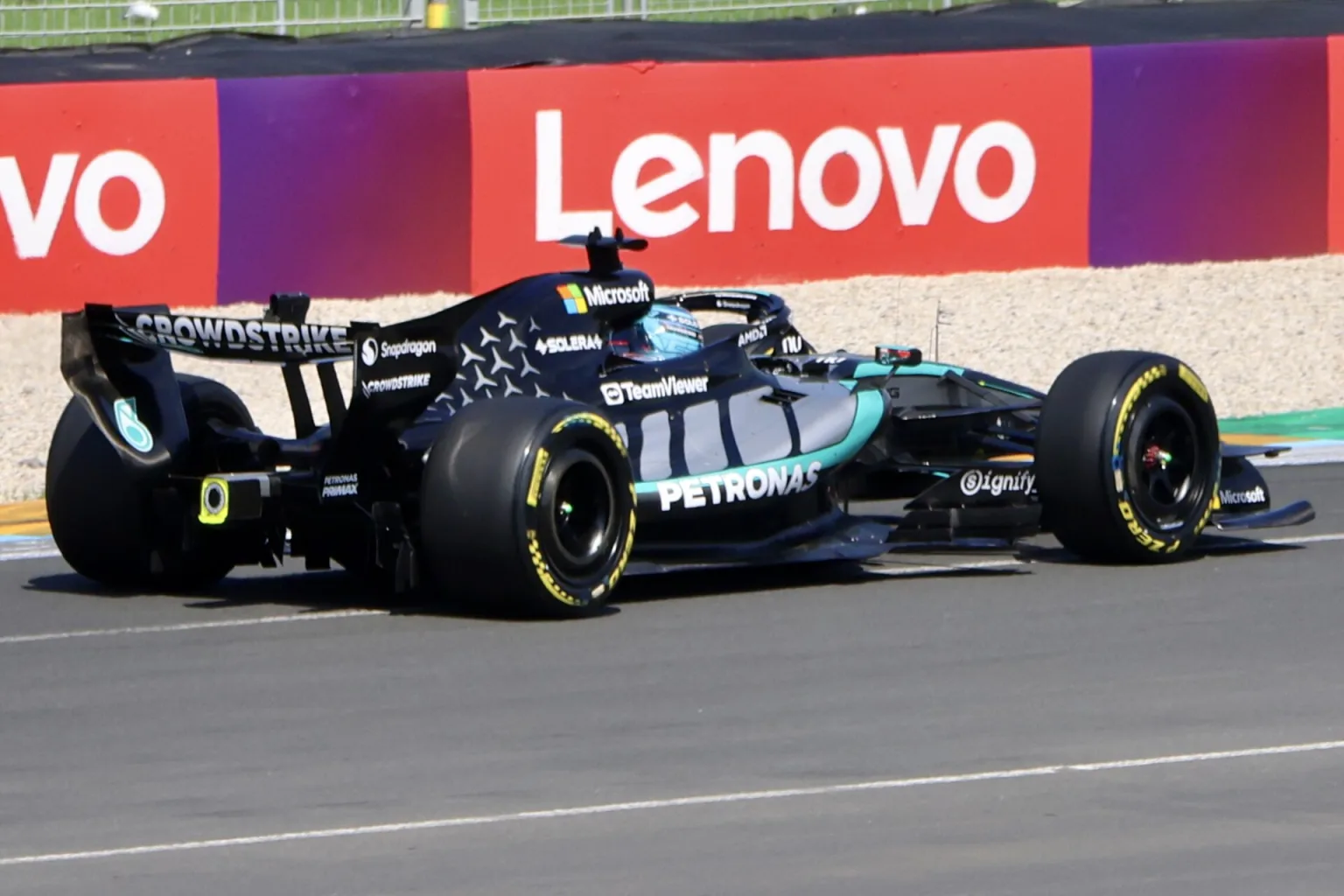
In the moments following Perez’s incident, Max Verstappen appeared to overtake Lewis Hamilton in the yellow-flagged zone. Hamilton reported the overtake to his team, and the matter was quickly brought to the attention of the stewards for investigation. The situation raised questions about whether Verstappen had breached regulations and if a penalty would follow.
Details of the Investigation
The stewards launched an investigation into Verstappen’s actions in SQ1. The focus was on whether Verstappen had overtaken Hamilton after the yellow flags were displayed, and if so, whether he had complied with the rules requiring drivers to reduce speed and demonstrate caution. The rules are clear that overtaking is not allowed under yellow flags, but the context of each incident is also considered.
Verstappen stated after the session that he believed he had completed the overtaking move before reaching the yellow flag zone but lifted off the throttle and slowed down to ensure he was following the regulations. Stewards reviewed telemetry, video evidence, and team radio communications to determine the sequence of events. Hamilton’s immediate report over the radio highlighted the seriousness of the potential infraction and added to the scrutiny of Verstappen’s actions.
Stewards’ Decision and Reasoning
After reviewing all available data, the stewards concluded that Verstappen had technically breached the yellow flag regulation by overtaking under yellow flag conditions. However, they also found that Verstappen had reacted appropriately by lifting off the throttle and reducing his speed once he noticed the yellow flags. The stewards noted that the significant speed difference between Verstappen and Hamilton at the time of the incident was not a result of deliberate intent to overtake under yellow, but rather an unfortunate consequence of the differing speeds as Verstappen approached the flagged area.
The stewards’ statement explained that although a breach had occurred, Verstappen’s actions demonstrated compliance with the requirement to slow down and proceed with caution. They determined that the overtake was not a deliberate attempt to gain an advantage during yellow flag conditions, and that Verstappen’s immediate response to the flags was sufficient to avoid a penalty. This approach reflects the stewards’ practice of considering the intent and circumstances behind an incident, rather than applying penalties automatically.
Consequences for Verstappen and the Grid
With no penalty issued, Verstappen retained his pole position for the Sprint at Marina Bay. The decision allowed him to start from the front of the grid for Saturday’s Sprint, maintaining his advantage in a closely contested championship battle. The outcome also meant that Hamilton and other drivers would have to challenge Verstappen on track, rather than gaining a position through a post-session penalty.
The incident and its resolution prompted discussion among teams, drivers, and fans about the consistency of stewarding decisions and the interpretation of yellow flag regulations. While some argued that any breach should result in a penalty, others agreed with the stewards’ view that Verstappen’s immediate reaction and lack of intent to overtake under yellow justified the absence of a penalty. The decision highlighted the importance of context and the stewards’ discretion in applying the rules.
Yellow Flag Rules in Formula 1
Yellow flag rules are a fundamental part of Formula 1’s safety protocols. When yellow flags are shown, drivers must reduce speed, be prepared to change direction, and overtaking is strictly forbidden until they pass a green flag or the hazard is cleared. The rules are designed to protect drivers, marshals, and others on or near the circuit when there is a potential danger. Stewards use a combination of telemetry, video footage, and driver statements to assess whether a driver has complied with these requirements in the event of an incident.
In recent years, there have been several high-profile cases involving alleged yellow flag infringements, leading to debate about the consistency of penalties and the interpretation of the rules. The Verstappen-Hamilton incident at Singapore adds another example to this ongoing discussion, illustrating the challenges stewards face in balancing strict enforcement with fair consideration of the circumstances.
Summary
Max Verstappen’s avoidance of a penalty after overtaking Lewis Hamilton during yellow flag conditions in Singapore Sprint Qualifying was the result of a detailed steward investigation. While a breach of the yellow flag regulation was acknowledged, the stewards determined that Verstappen’s prompt reaction and reduction of speed met the requirements for safety and caution. The decision allowed Verstappen to retain his Sprint pole position and contributed to ongoing debates about the application of Formula 1’s yellow flag rules.