Ferrari to Use Toyota's Cologne Wind Tunnel for 2013 F1 Car Development
Ferrari will develop the aerodynamics of its 2013 Formula One car exclusively at Toyota’s wind tunnel in Cologne after closing its Maranello facility for upgrades.
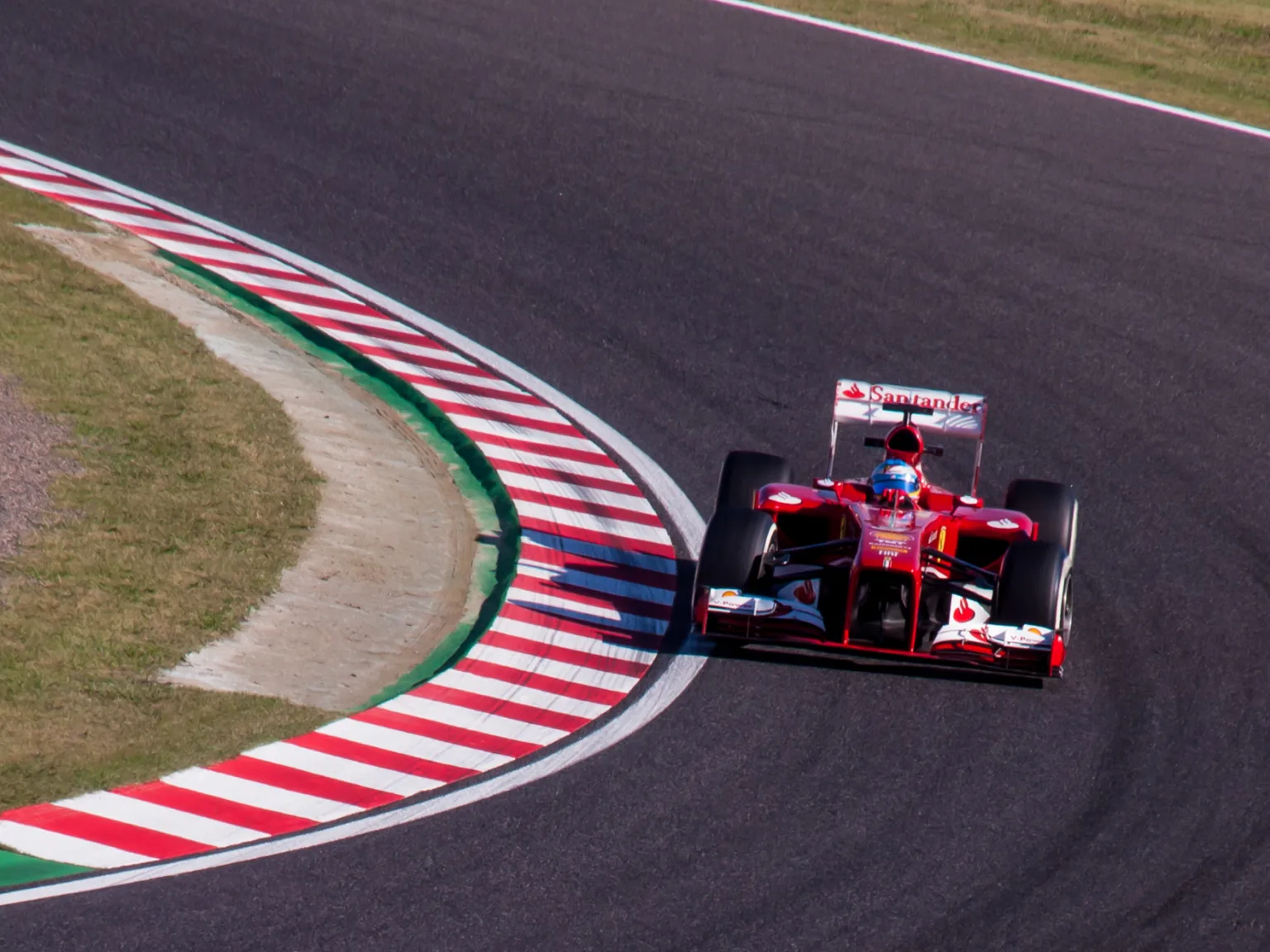
Ferrari will carry out all aerodynamic development for its 2013 Formula One car at Toyota Motorsport’s facility in Cologne, following the decision to close its Maranello wind tunnel for upgrades until August 2013.
The move comes after Ferrari experienced ongoing correlation issues with its in-house wind tunnel. The team’s facility at Maranello had been blamed for inconsistent results, with the 2012 car’s performance falling short of expectations. To address the problem, Ferrari opted to shut the tunnel for a major overhaul, leaving the team in need of a reliable alternative for its 2013 car’s aero work.
Toyota Motorsport GmbH’s Cologne wind tunnel, originally built for the manufacturer’s own F1 programme, is now a commercial facility used by several teams. Ferrari has chosen to rely exclusively on this site for the 2013 car’s development, rather than splitting work between multiple tunnels. Team principal Stefano Domenicali explained that using more than one wind tunnel risked introducing further discrepancies in aerodynamic data.
Ferrari president Luca di Montezemolo said the decision to concentrate all wind tunnel testing at Toyota’s facility would help avoid confusion and mistakes during the critical design phase. The Cologne tunnel is regarded as one of the most advanced in the sport, and McLaren is also known to use it for its own aerodynamic work.
Why Ferrari chose Cologne
Ferrari’s Maranello wind tunnel had been a source of frustration throughout the 2012 season, with the team unable to reconcile simulation data with on-track performance. The closure for upgrades was seen as necessary to restore confidence in its development process. By shifting all aerodynamic testing to Cologne, Ferrari aims to ensure consistent results while its own facility is out of action.
The arrangement highlights the continuing influence of Toyota’s former F1 infrastructure on the sport, even after the Japanese manufacturer’s withdrawal. For Ferrari, the hope is that the switch will provide the stable platform needed to challenge rivals in the 2013 season.
Implications for the 2013 F1 campaign
With all wind tunnel development taking place in Germany, Ferrari’s engineers and aerodynamicists will spend more time away from Maranello. The team’s design process will rely on the accuracy and repeatability of Toyota’s facility, which has established a strong reputation among Formula One teams since 2010.
The decision underlines the importance of reliable aerodynamic data in modern Formula One, where small discrepancies can have a major impact on competitiveness. Ferrari’s approach mirrors that of other teams who have outsourced wind tunnel work to address similar issues. The team will be hoping the change pays off as it seeks to close the gap to Red Bull and McLaren in the upcoming championship.
For more on how teams are preparing for the 2013 season, seeMoves Afoot for December Tyre Test with 2013 Cars.