Fiat Plans Two Small SUVs for Melfi Plant as Part of Italian Production Shift
Fiat is preparing to build two small SUVs, one Fiat, one Jeep, at its Melfi facility from 2014, aiming to boost exports and keep Italian plants active amid falling European sales.
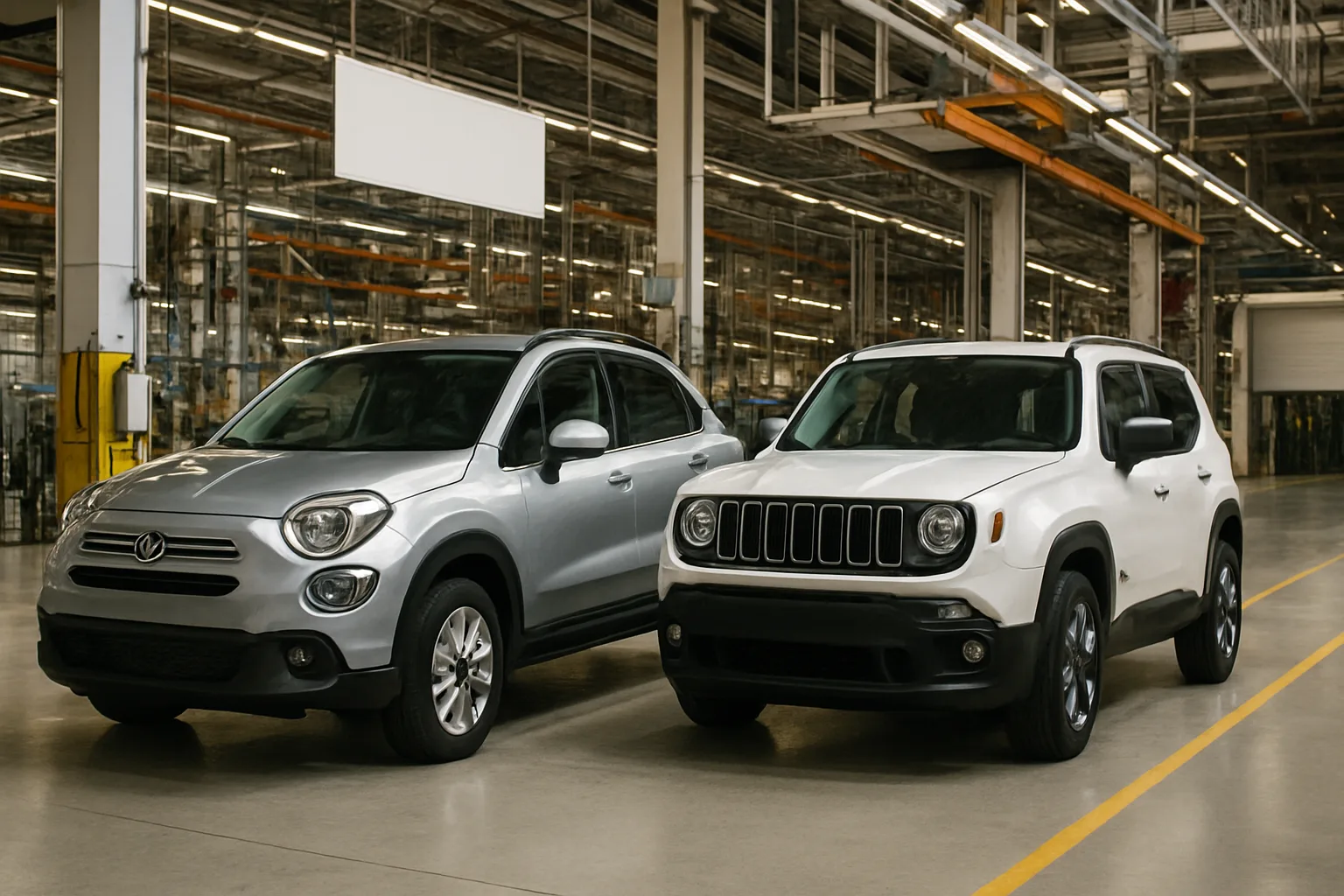
Fiat is set to produce two new small SUVs at its Melfi plant in southern Italy from 2014, according to Italian newspaper Il Messaggero. The move is part of a broader strategy to increase the company’s export capacity and maintain employment at Italian factories amid a sharp decline in European sales.
The two SUVs will carry the Fiat and Jeep badges, targeting both European and international markets. The decision follows Fiat Group’s review of its Italian manufacturing footprint, which included abandoning plans to close the historic Mirafiori plant in Turin. Instead, the company is focusing on retooling and updating production lines to accommodate new models with higher export potential.
Why Fiat is shifting production to Melfi
Fiat’s European sales have dropped to their lowest level since the 1970s, with the company’s registrations in the EU and EFTA markets down 16.8 percent in the first nine months of 2012, according to ACEA data. The broader market fell 7.2 percent over the same period. This sharp decline has forced Fiat to rethink its production strategy, prioritising models that can be exported beyond the shrinking European market.
The Melfi plant, located in Basilicata, has traditionally produced small cars, including the Fiat Punto. Reallocating SUV production to Melfi is expected to utilise the plant’s capacity more efficiently, safeguarding jobs and supporting the local supply chain. The decision also reflects the growing importance of the SUV segment, which remains resilient globally even as traditional hatchbacks and saloons lose ground.
What happens at Mirafiori and Cassino
While the Melfi plant will take on the new SUV models, Fiat has abandoned plans to close the Mirafiori plant in Turin, which had been under threat due to overcapacity and losses. Keeping Mirafiori open avoids immediate job losses in Turin and signals a willingness to maintain domestic manufacturing, even as the company streamlines production elsewhere.
Fiat’s Cassino plant, located between Rome and Naples, is also in line for new models. According to the same reports, Cassino is likely to build the Chrysler 100 (a replacement for the Lancia Delta) and the next-generation Alfa Romeo Giulietta, both with an eye on exports to the United States. This diversification is intended to protect Italian manufacturing jobs by serving broader markets.
Impact on workers and suppliers
Assigning new models to Melfi and Cassino helps secure employment at both plants, which had faced uncertainty as Fiat grappled with falling demand in its traditional markets. The shift to SUVs and export-oriented models is also likely to benefit local suppliers, who depend on consistent volumes and long-term contracts. However, the company’s overall Italian output is still under pressure, with further restructuring possible if European demand continues to slide.
SUVs central to Fiat’s export strategy
The decision to build small SUVs for both Fiat and Jeep at Melfi aligns with global trends. SUVs have steadily increased their share of the market, and Fiat’s partnership with Chrysler provides access to Jeep’s established brand and technology. Producing both brands on a shared platform at a single Italian site improves economies of scale and allows for flexible adaptation to market shifts.
- Fiat SUV: expected to target European and export markets.
- Jeep SUV: likely to focus on international markets, leveraging Jeep’s global reputation.
The models are expected to share underpinnings and production lines, allowing Fiat to adjust output based on demand for each brand. This approach mirrors strategies used by rivals such as Opel, which is set to build the Junior model at Eisenach, and Ford, which has consolidated production of global models at key sites. For context on similar moves by other manufacturers, see Opel Junior Production Set for Eisenach Plant in 2012.
Next steps and market outlook
Fiat is expected to present its updated business plan to the market on 30 October 2012. The plan will detail model allocations and export strategies for Italian plants. The company’s management has scheduled key meetings to finalise manufacturing assignments, with a focus on maximising plant utilisation and preserving as many domestic jobs as possible.
While the decision to build two small SUVs at Melfi is a direct response to weak European demand, it also signals Fiat’s intent to compete more aggressively in global markets. The success of this strategy will depend on the appeal of the new models outside Italy and the company’s ability to manage costs as it retools its factories.