US Senators Press Obama Administration on Fisker’s $529m Federal Loan
Republican senators have demanded answers from the Energy Department over its decision to back Fisker Automotive with a $529 million loan, after the electric car startup missed key targets.
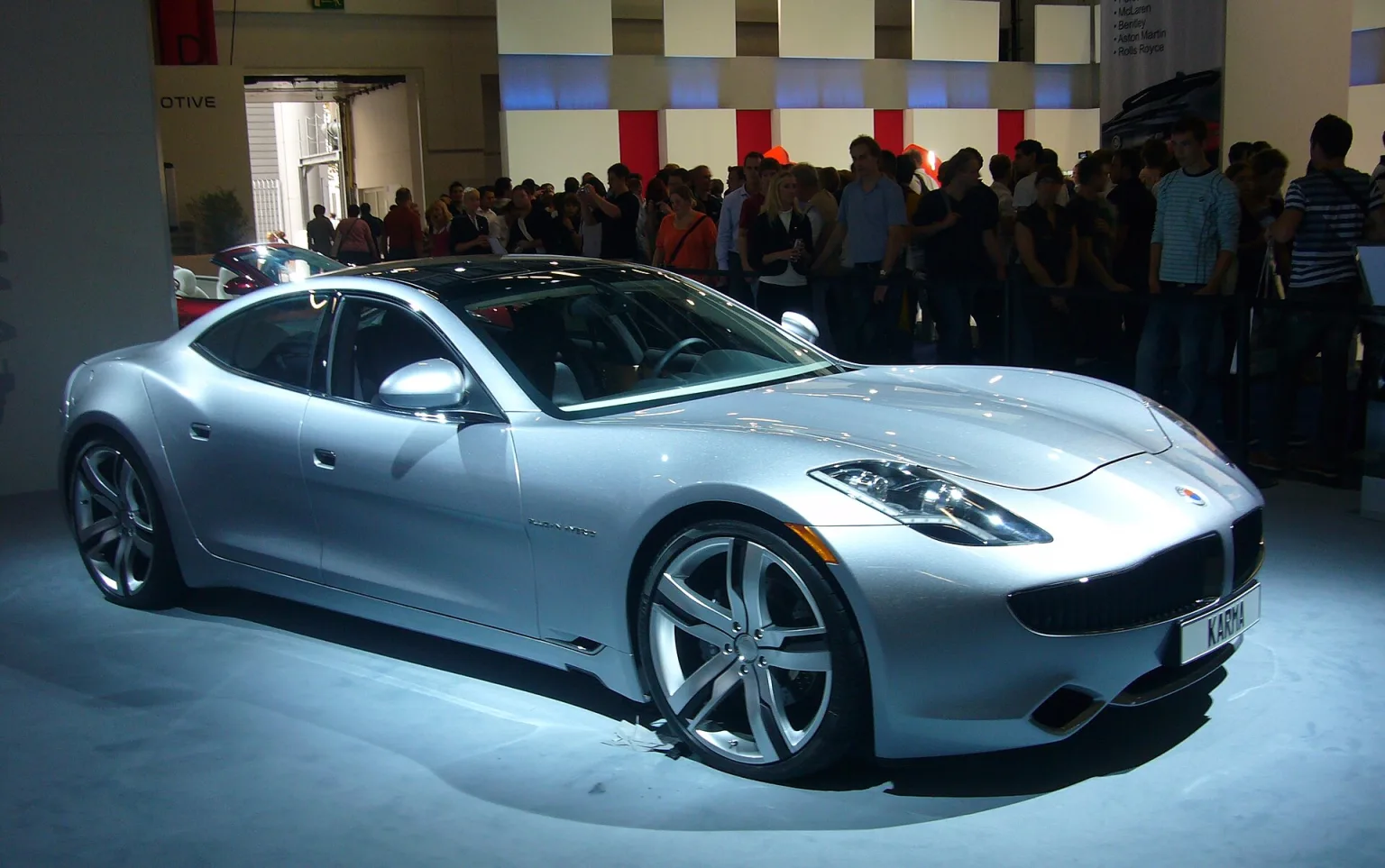
Two senior US senators have called on the Obama administration to justify its approval of a $529 million federal loan to Fisker Automotive, after the electric car startup failed to meet agreed milestones and assembled its first model in Finland.
Senator Charles Grassley of Iowa, the ranking Republican on the Senate Judiciary Committee, described Fisker as “one of the more unusual recipients” of the Department of Energy’s Advanced Technology Vehicles Manufacturing Loan Programme. In a letter to Energy Secretary Steven Chu, Grassley and a colleague questioned the department’s technical evaluation of Fisker and the decision to allow production of the $100,000 Karma sedan to take place in Finland rather than the United States.
The senators’ scrutiny follows the high-profile bankruptcy of solar-panel maker Solyndra, another recipient of a federal loan guarantee, which collapsed in 2011. The Department of Energy has since faced pressure to defend its vetting and oversight of loan recipients.
Loan suspension and Fisker’s response
Fisker was approved for the $529 million loan in 2009 to support development and production of its plug-in hybrid vehicles. By early 2012, the company had accessed around $193 million of the funds. However, the Department of Energy suspended the loan after Fisker failed to meet agreed milestones related to the launch of the Karma sedan.
The Karma, Fisker’s first model, was assembled by contract manufacturer Valmet in Finland. This decision drew criticism from lawmakers, who questioned why US taxpayer-backed funding supported production overseas. At the time, Fisker said it had delivered about 800 Karma sedans and generated more than $100 million in revenue through its network of 47 US dealers.
Future of the Atlantic model and US manufacturing
Plans to begin production of Fisker’s second model, the Atlantic, were put on hold after the loan suspension. Chief executive Tom LaSorda said the company would decide where to build the Atlantic based on commercial considerations rather than government funding. Fisker claimed it could launch the Atlantic and reach profitability without further federal support, relying instead on private investment.
The scrutiny of Fisker’s loan echoed wider concerns in Washington over the use of public money to support early-stage clean-technology firms, especially when manufacturing and jobs were located outside the US. The Department of Energy defended its process, stating that Fisker’s loan was subject to rigorous technical and financial review.
Fisker’s financial situation remained precarious throughout 2012, with the company continuing to seek private investment and reconsidering its manufacturing plans. Later developments saw the company’s prospects worsen, culminating in bankruptcy proceedings and a sale attempt, as covered in Wanxiang Group makes $24.7m bid for Fisker Automotive.