Ford CEO Alan Mulally addresses Escape recall setbacks
Alan Mulally expressed disappointment over four recalls of the 2013 Escape, citing technical and manufacturing challenges as Ford ramped up production and introduced new engine technology.
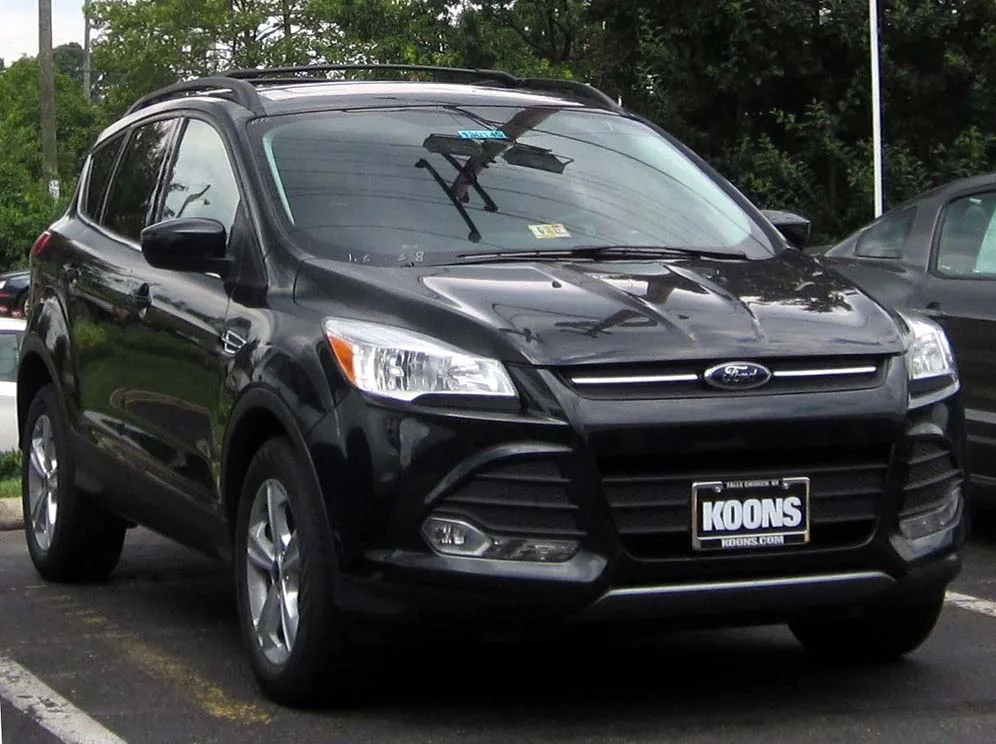
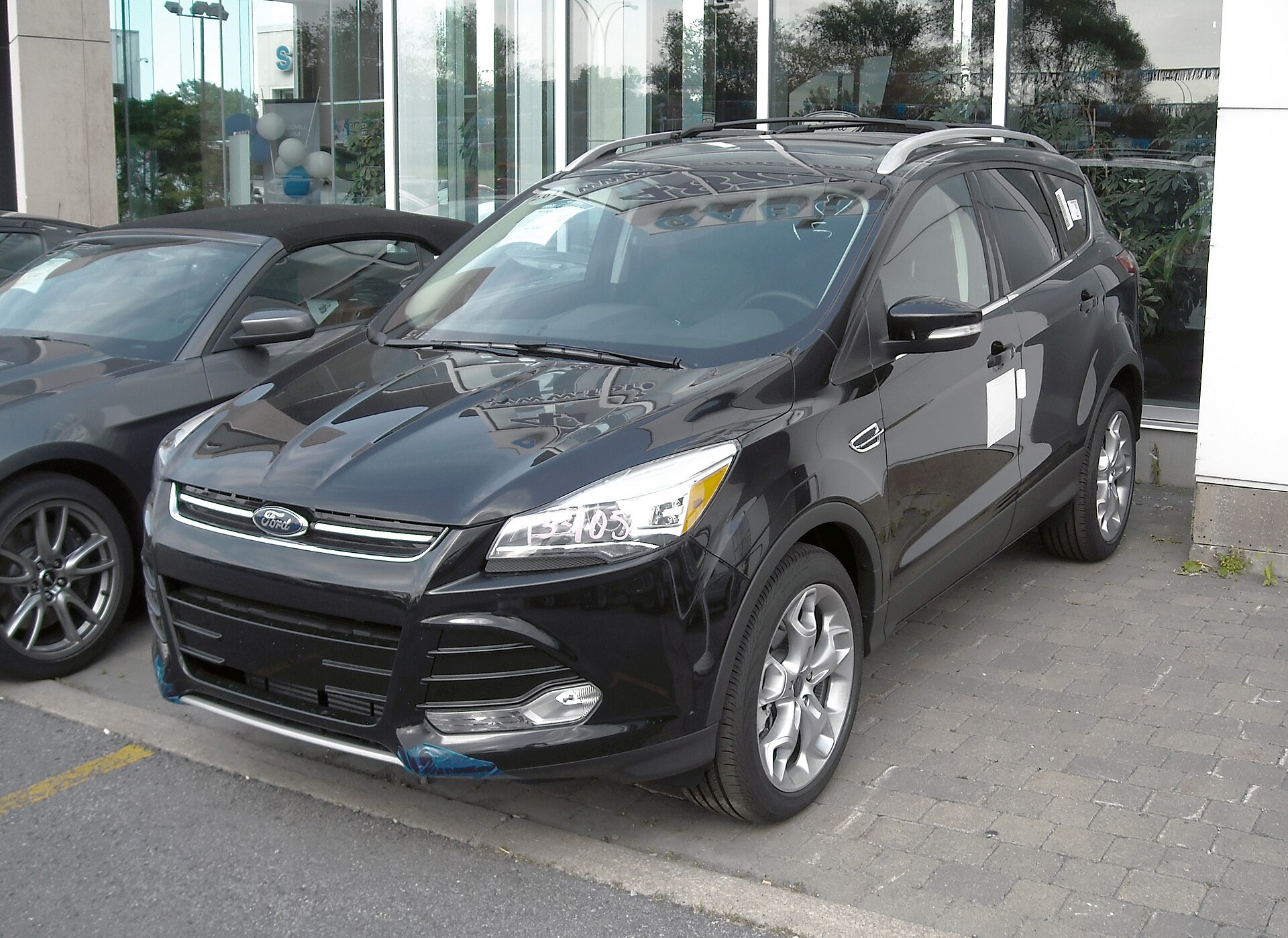
Ford CEO Alan Mulally has expressed his disappointment following a series of four recalls for the 2013 Escape SUV, which occurred within months of the vehicle's launch. These recalls, which began shortly after the Escape went on sale in May 2012, were attributed to both technical and manufacturing issues. The company faced significant challenges as it worked to meet rising demand and implement new engine technologies across its product range.
Ford CEO Alan Mulally Disappointed by Escape Recalls
Technical Issues and New Engine Technologies
The root causes of the Escape recalls were linked to the advanced engines Ford introduced in the model. These engines utilised direct injection and turbocharging, aiming to improve fuel economy and performance. However, as Mulally explained, despite rigorous testing and analysis, some failure modes were not anticipated during the development process. This led to unforeseen technical problems emerging after the vehicles reached customers.
In response, Ford has updated its engineering and testing procedures to better identify and address such issues in future models. The company aims to catch similar problems earlier in the development cycle, reflecting the increasing complexity of modern automotive technology. Mulally emphasised that these lessons are being incorporated into Ford’s ongoing efforts to improve product reliability and customer satisfaction.
Impact on Sales and Market Performance
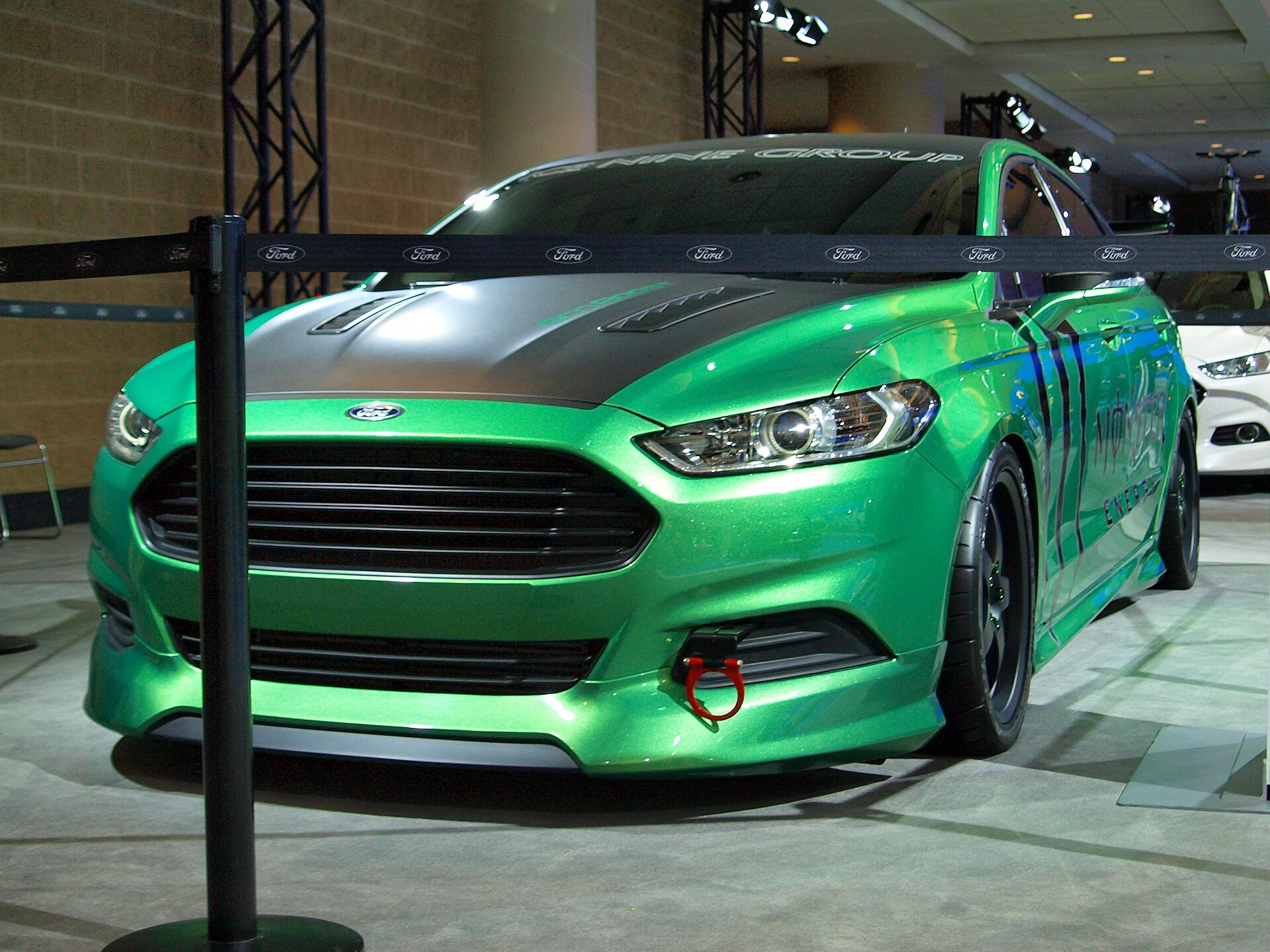
The recalls had a noticeable effect on Ford’s sales performance. In December 2012, deliveries of the Escape fell by 21 percent compared to the same month the previous year, with 20,131 units sold. The Fusion sedan, which was introduced in October 2012, was also affected by two recalls during a similar period. These setbacks came at a time when Ford was attempting to increase production volumes after several years of more modest output.
The decline in Escape sales highlighted the challenges automakers face when introducing new technologies and scaling up production rapidly. For Ford, the situation was particularly disappointing given the Escape’s status as the company’s top-selling SUV and a key product in its North American line-up.
Production Pressures and Company Response
Mulally linked some of the recall issues to Ford’s rapid increase in production, noting that the company was ramping up output for the first time in years. He described the Escape as a strong product but acknowledged that the recalls were a setback for both the model and Ford’s reputation. In response, Ford has committed to learning from each incident and incorporating those lessons into its quality control and engineering processes.
Ford’s management has stated that the company will continue its efforts to introduce more sophisticated and fuel-efficient vehicles, with a renewed emphasis on preventing similar problems in future launches. The experience with the Escape and Fusion recalls is shaping Ford’s approach to engineering, testing, and quality assurance. The company is focused on ensuring that future models meet the high standards expected by customers and the industry.
Competitive Context and Future Outlook
Despite the setbacks, the Escape remains a crucial model for Ford, especially in the competitive SUV segment. In 2012, the Honda CR-V led global SUV sales, underscoring the importance of reliability and quality in this market. The recalls temporarily slowed Escape’s sales momentum, but Ford’s leadership has highlighted the importance of continuous improvement and adaptability as it develops new models and technologies.
Looking ahead, Ford’s experience with the Escape and Fusion recalls is expected to inform its future engineering and quality assurance efforts. The company aims to strengthen its processes and maintain its position as a leading manufacturer of advanced, fuel-efficient vehicles. As the automotive industry continues to evolve, Ford’s ability to learn from challenges and respond proactively will be critical to its ongoing success.
- 2013 Ford Escape (four recalls since May 2012)
- 2013 Ford Fusion (two recalls since October 2012)