Ford Edge 2.0 TDCI Titanium Powershift brings American SUV style to Europe
Ford’s Edge 2.0 TDCI Titanium Powershift targets European buyers seeking a full-size SUV with American design, pairing diesel efficiency with advanced tech and generous space.
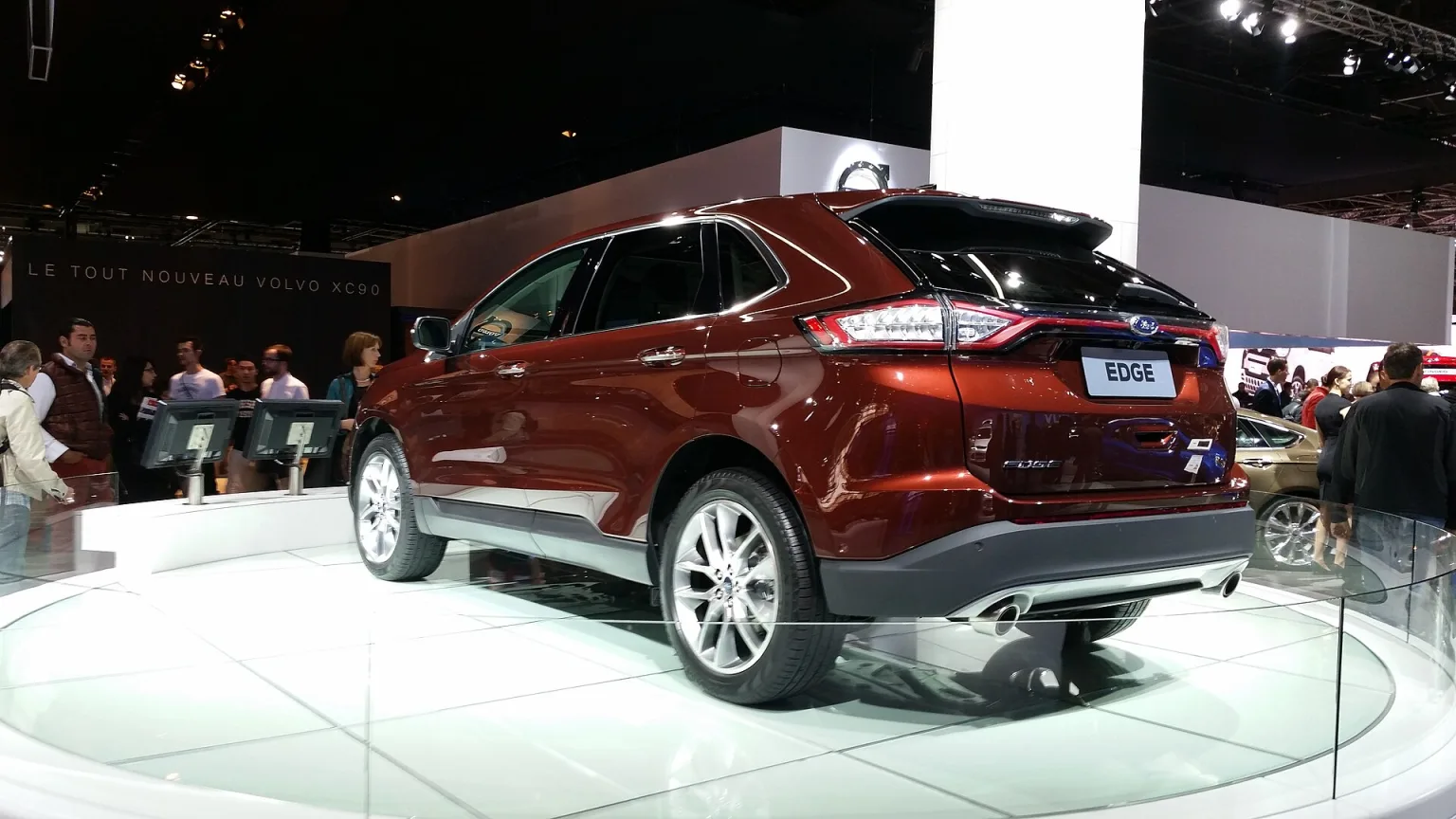
Ford introduced the Edge 2.0 TDCI Titanium Powershift to European markets in 2016, aiming to attract buyers wanting the space and presence of an American SUV with the efficiency and refinement expected by European drivers. The Edge, already established in North America, arrived as Ford’s largest SUV offering for the region, positioned above the Kuga and EcoSport in the line-up.
Diesel power and dual-clutch transmission
The Edge for Europe is powered by a 2.0-litre TDCI diesel engine, offered in 180PS and 210PS outputs. The 210PS version pairs with Ford’s Powershift six-speed dual-clutch automatic gearbox, while the lower-powered model is available with a six-speed manual. All-wheel drive comes as standard on the Titanium trim, supporting the Edge’s position as a full-size SUV with genuine year-round usability. Ford’s diesel focus reflects the continued demand for efficient, long-distance cruisers in this segment during the mid-2010s.
| Engine | 2.0-litre TDCI diesel |
|---|---|
| Power output | 210PS (Powershift), 180PS (manual) |
| Transmission | Six-speed Powershift dual-clutch automatic |
| Drivetrain | All-wheel drive |
| CO2 emissions | 149–152g/km (manufacturer figures) |
| Combined fuel economy | 47.9mpg (claimed) |
Space, comfort and equipment
The Edge’s dimensions set it apart from most mainstream rivals, offering generous interior space for five adults and a large boot. The Titanium trim brings a high level of standard equipment, including heated and ventilated front seats, electrically adjustable driver’s seat with memory, Ford’s SYNC infotainment system, and a suite of driver assistance systems such as adaptive cruise control, lane-keeping assist and blind spot monitoring. The Edge’s ride prioritises comfort over sharp handling, with a focus on refinement and long-distance ease rather than sporting dynamics.
Design and market positioning
The Edge’s design draws heavily from Ford’s American SUV styling, with a bold grille, pronounced lines and a substantial road presence. Its arrival gave European buyers an alternative to established models such as the Volkswagen Touareg and Hyundai Santa Fe, as well as the Jeep Grand Cherokee for those seeking an American-flavoured SUV. While the Edge does not offer a seven-seat option like some rivals, it targets buyers prioritising space, equipment and a distinctive look over maximum seating flexibility.
Market context and rivals
Ford positioned the Edge to appeal to buyers who might otherwise consider a premium SUV from Germany or Sweden but want the practicality and value of a mainstream brand. The Edge’s mix of American design, diesel efficiency and a comprehensive equipment list made it a contender in a segment dominated by the likes of the Volkswagen Touareg and Hyundai Santa Fe. The Edge’s arrival also coincided with rising SUV sales for Ford in Europe, reflecting broader market trends. For more on Ford’s SUV sales performance, see Ford's February Sales in Europe Jump 18% on SUV Demand.