Ford’s 2015 Trends Report Turns to Generation Z
Ford’s latest trends report examines the attitudes of Generation Z, identifying a tech-savvy, socially aware group expected to reshape future car buying and ownership.
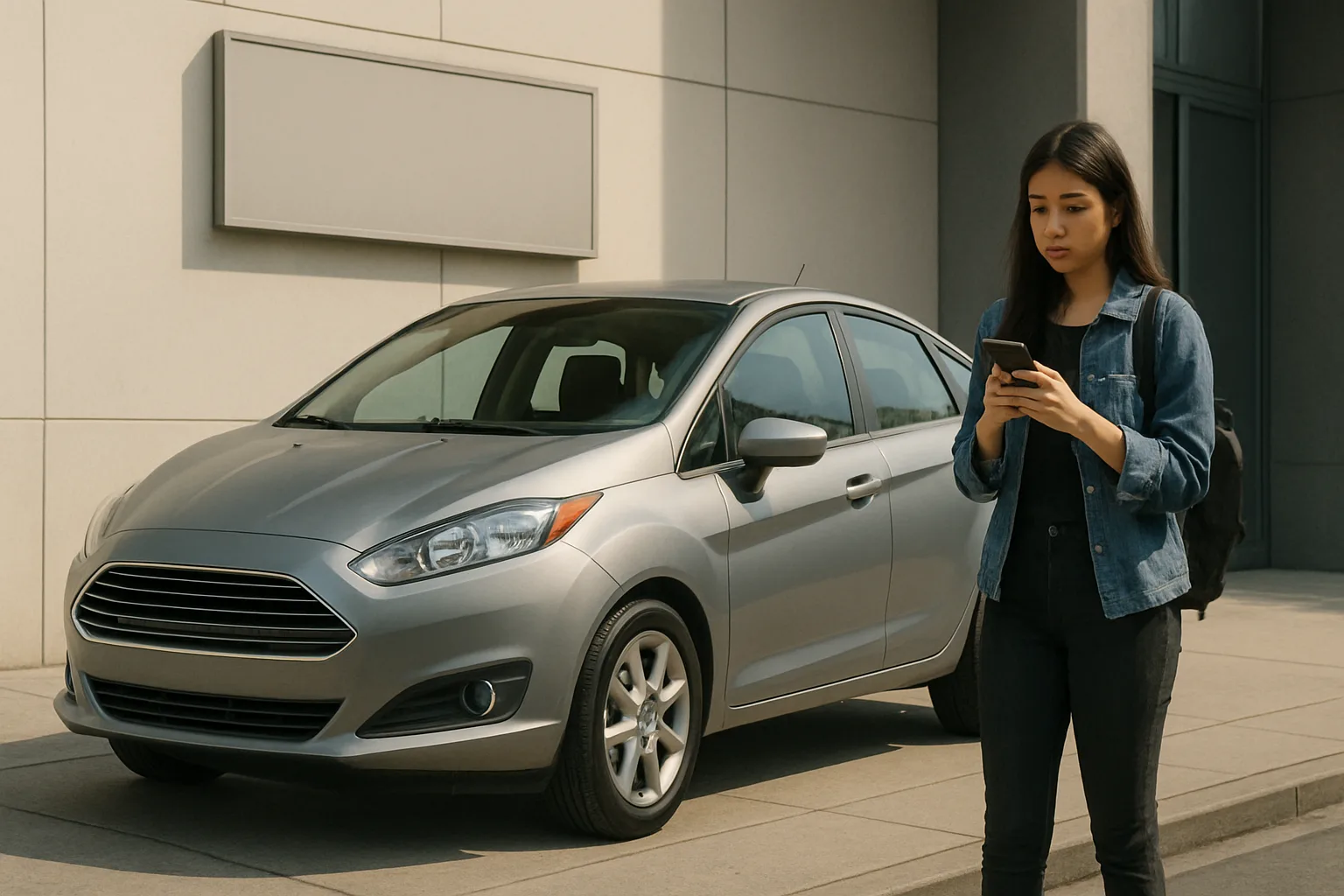
Ford has placed Generation Z at the centre of its 2015 trends report, highlighting how the attitudes and expectations of those born after 1993 are set to influence future car design, marketing and ownership patterns.
The Dearborn-based company’s research draws on responses from a global pool of young people, examining not only their views on cars but also their broader approach to technology, social issues and personal priorities. Ford’s interest in this group reflects its expectation that Generation Z will soon account for around 20 percent of the world’s population, making them a key demographic for the industry over the coming decade.
What Ford’s research found about Generation Z
According to Ford’s findings, Generation Z stands out for its familiarity with technology and its tendency to question traditional models of ownership and consumption. The report describes this group as nontraditional and rebellious, with strong social awareness. Generation Z respondents demonstrated concern for issues such as climate change and showed a willingness to consider alternatives to conventional car ownership, including shared mobility and digital services.
The research also found that Generation Z values flexibility and is highly aware of the range of choices available, not just in cars but across education, employment and technology. This awareness, Ford suggests, could drive demand for more customisable products and services, as well as a greater emphasis on digital connectivity in vehicles.
Implications for Ford and the wider car market
Ford’s decision to focus on Generation Z comes after three years of trend reporting aimed at anticipating future consumer expectations. The company sees this research as a tool for shaping both product development and marketing strategies, particularly as carmakers compete to attract younger buyers who may not share their parents’ attitudes to driving and ownership.
- Generation Z’s comfort with digital technology is likely to increase demand for connected car features.
- Growing social awareness could drive interest in low-emission vehicles and alternative ownership models.
- Flexibility and choice may become central to how carmakers market and configure vehicles for younger buyers.
For Ford, understanding these trends is not just about product design, but also about how the company communicates with future customers and adapts its services. The report suggests that Generation Z’s influence is already being felt, shaping the attitudes of older consumers as well.