Ford’s SUV Design Team Finds Inspiration Beyond the Car World
From classic knives to fashion accessories, Ford’s European SUV range draws on an eclectic mix of influences to shape its latest Edge, Kuga and EcoSport models.
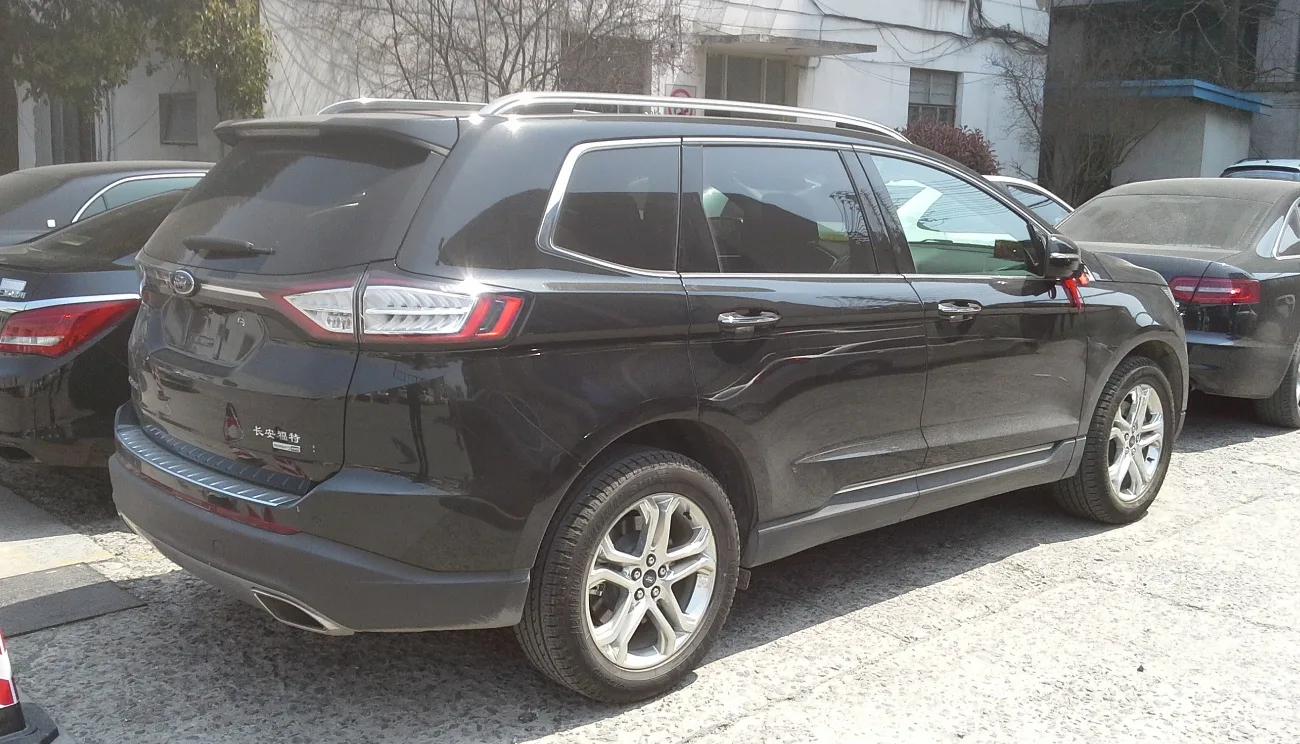
Ford’s European SUV line-up owes its distinctive look to a design process that reaches far beyond the automotive world. As the company pushes to strengthen its position in the continent’s crowded SUV market, its designers have drawn inspiration from sources as varied as fashion, jewellery and even classic pocket knives.
At a design event in Cologne, Ford’s team detailed how current models like the Edge, Kuga and EcoSport have each taken shape under the influence of consumer products that owners might use in daily life. The Edge, for instance, incorporates design elements inspired by a handmade G.Wiseman pocket knife, with its tool-grade steel blade and canvas black micarta handle. This influence is evident in the Edge’s crisp surfacing and robust detailing, intended to evoke the knife’s blend of utility and crafted appeal.
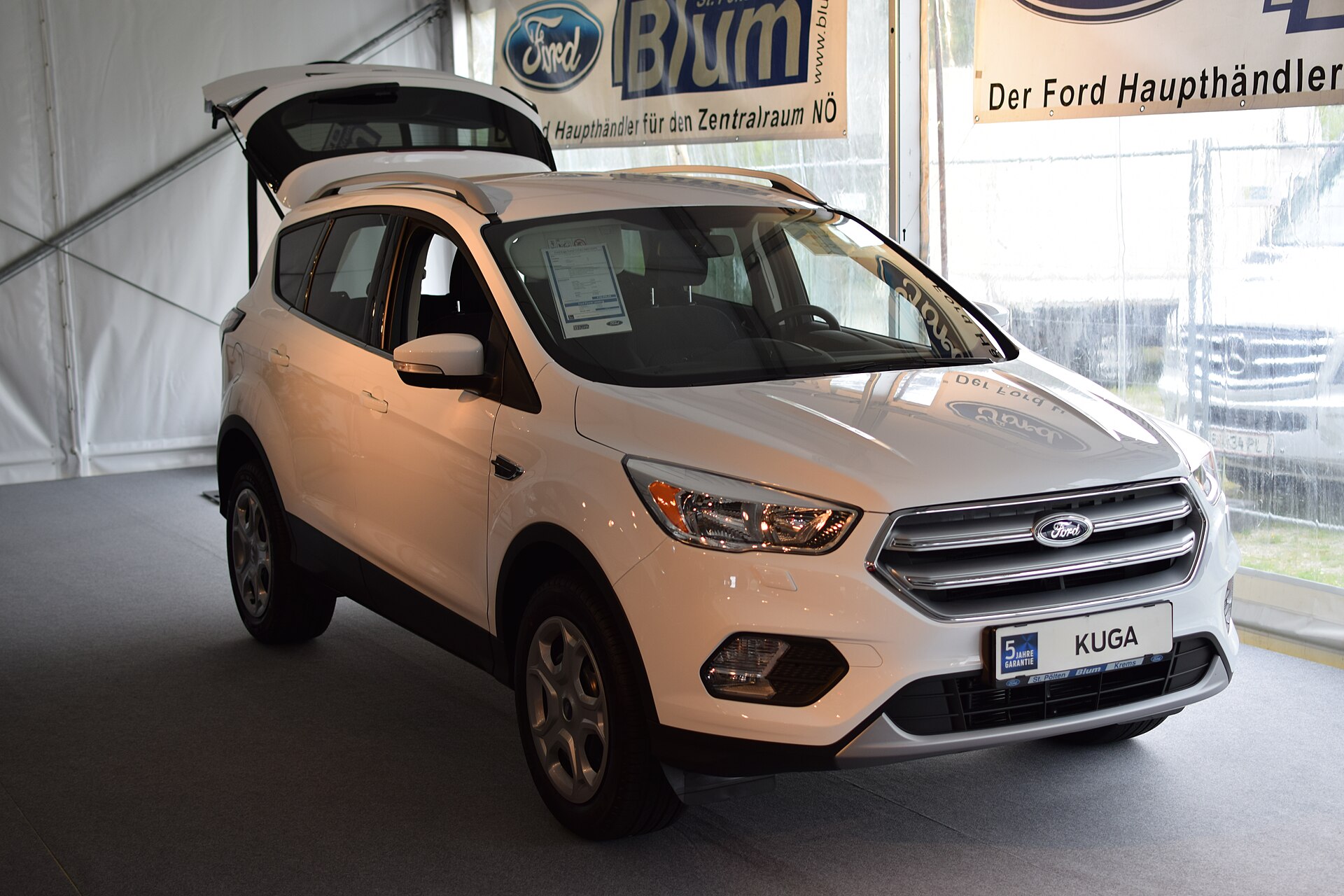
The Kuga’s design process took a different route. Here, the team referenced the look and feel of a Michael Kors leather tote bag, aiming to convey a sense of durability and sophistication. The Kuga’s interior materials and colour choices reflect this, targeting buyers who value both practicality and style in their family SUV.
Personal accessories and the millennial influence
Ford’s designers have not limited themselves to luxury goods. Everyday items like Converse trainers with colourful laces and charm bracelets have also played a part in shaping the company’s approach, particularly for models aimed at younger buyers. The EcoSport, Ford’s subcompact SUV, is a case in point. Its refreshed version, due to debut in Brazil before heading to other markets, is expected to take cues from both the Kuga and these more playful, customisable accessories. This direction is a response to the growing influence of millennials and young families in the European SUV market.
Ford’s in-house Trend team tracks shifting consumer preferences, feeding designers with insights into what buyers want from their cars. This approach is intended to help Ford’s SUVs keep pace with changing tastes, from the textures and colours buyers expect to the broader lifestyle cues that resonate with different age groups. The company has identified mothers with young children, millennials and active older buyers as key demographics driving SUV growth in Europe.
SUV design as a competitive tool
The strategy is not just about aesthetics. Ford sees distinctive design as a way to stand out in a segment where rivals like the Land Rover Freelanderand Hyundai ix35are also vying for attention. By tapping into the design language of consumer products, Ford aims to give its SUVs a more personal and relatable appeal. This is especially important as the brand seeks to grow its share in Europe, where SUV demand continues to rise and buyers are increasingly looking for vehicles that reflect their lifestyle and tastes.
As Ford prepares to update the EcoSport and continues to push the Edge and Kuga across European markets, the company’s design team is likely to keep looking outside the car industry for fresh ideas. Whether these influences come from the catwalk, the workshop or the high street, Ford’s approach shows that the next SUV might owe as much to a handbag or a pair of trainers as to a traditional design sketch.