Geely pushes Volvo to target China’s luxury car buyers
Geely is counting on Volvo to help it gain ground in China’s luxury market, aiming to close the gap with established premium brands as domestic rivals gain strength.
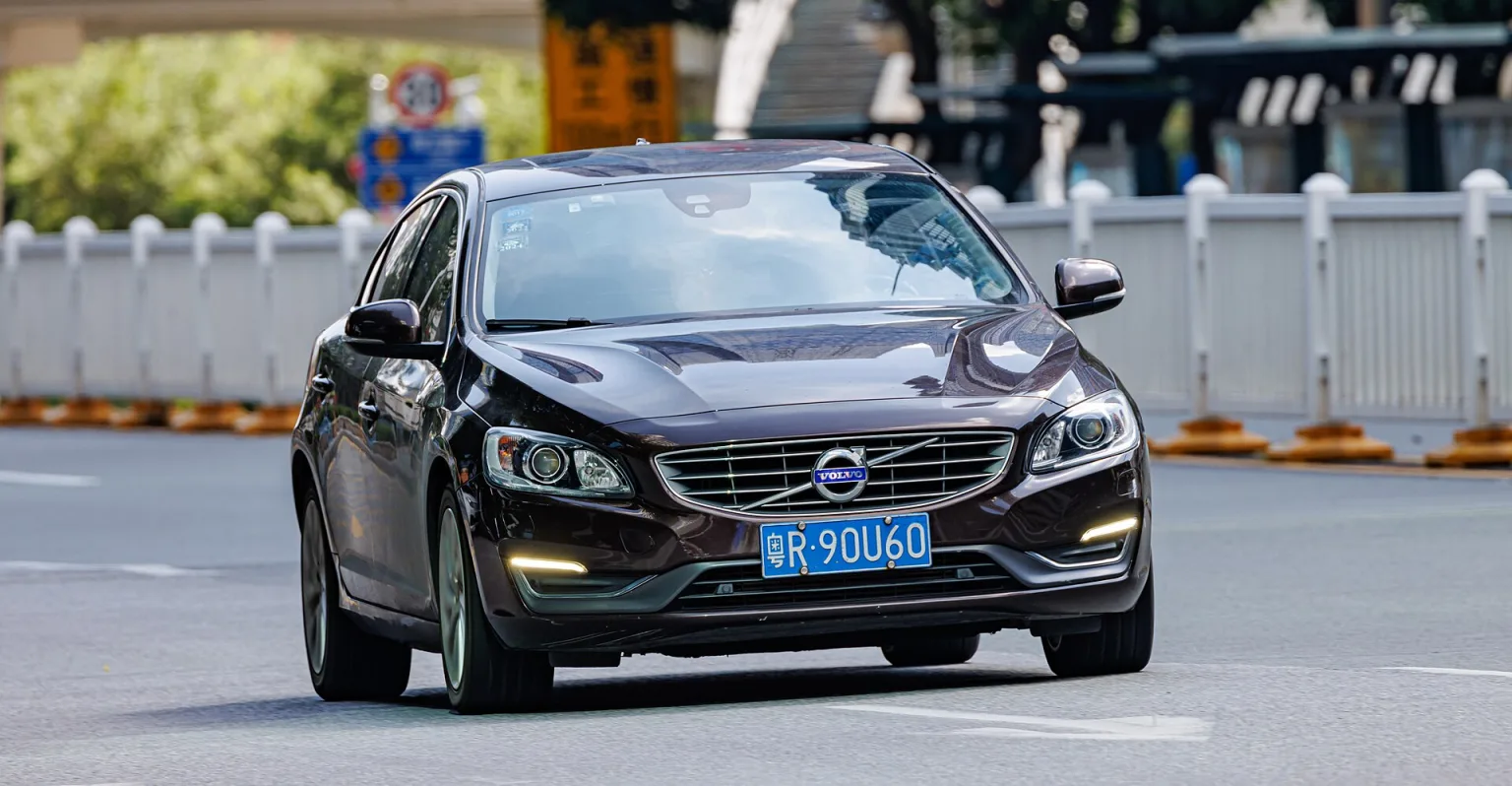
Geely is urging Volvo to accelerate its efforts in China’s luxury car market, as the Chinese parent company seeks to reverse sliding sales and restore its competitive edge against foreign brands. Chairman Li Shufu has made it clear that Volvo is central to Geely’s ambitions to claim a bigger share of the world’s largest car market, where luxury sales are booming.
Geely acquired Volvo from Ford in 2010, with the intention of using the Swedish marque’s reputation to challenge established German and US luxury brands in China. Since then, the Chinese market has grown rapidly, with passenger car sales reaching 18 million units last year. Luxury sales in particular have become a focal point for global manufacturers, as premium segments continue to expand despite economic headwinds.
Volvo’s late start in China’s premium market
Volvo has been slower than rivals such as BMW, Mercedes-Benz and Audi to develop a strong local presence. Li Shufu has acknowledged that under previous ownership, Volvo suffered from a lack of investment in product development and an outdated interpretation of Scandinavian design. Geely now wants to reposition Volvo with a modernised line-up tailored to the tastes of Chinese luxury buyers.
Volvo’s challenge is to catch up with brands that have already invested heavily in Chinese manufacturing, dealer networks and marketing. German marques dominate the segment, while US and Japanese brands are also expanding their premium offerings. Peugeot’s DS brand, for example, has set a 10% market share target for China’s luxury segment.See also:PSA Sets Ambitious 10% Target for DS in China’s Luxury Market
Modernising the Volvo brand for China
Li Shufu has stressed the need for Volvo to offer a modern interpretation of Scandinavian design that appeals to Chinese tastes. This involves updating existing models and introducing new ones that reflect the preferences of local buyers, who increasingly demand technology, comfort and prestige. Geely’s strategy also includes dispelling rumours of internal friction between the parent company and Volvo’s Swedish management, with Li stating that both sides are aligned on the need for change.
The company is betting that a revitalised Volvo can help Geely regain lost ground in China, where domestic brands have struggled to compete with foreign luxury marques. Whether this approach will be enough to challenge the dominance of established players remains to be seen, but Geely’s expectations for Volvo are clear: become a credible force in China’s luxury car market.
Competition in China’s luxury segment
BMW, Mercedes-Benz and Audi remain the benchmarks for luxury sales in China, with rapid growth in recent years. Other brands, including PSA’s DS and US entrants, are also pushing for a share of the market. Volvo’s success will depend on its ability to differentiate itself and deliver products that Chinese buyers perceive as truly premium.
- Geely acquired Volvo from Ford in 2010.
- Volvo aims to modernise its product line-up for China.
- German brands lead the luxury segment in China.
- Peugeot’s DS brand is targeting 10% of China’s luxury market.