Porsche 911 GT3 debuts at Geneva with new engine and active rear steering
Porsche has unveiled the fifth-generation 911 GT3 at the Geneva Motor Show, introducing a new 3.8-litre engine, dual-clutch transmission and active rear-wheel steering.
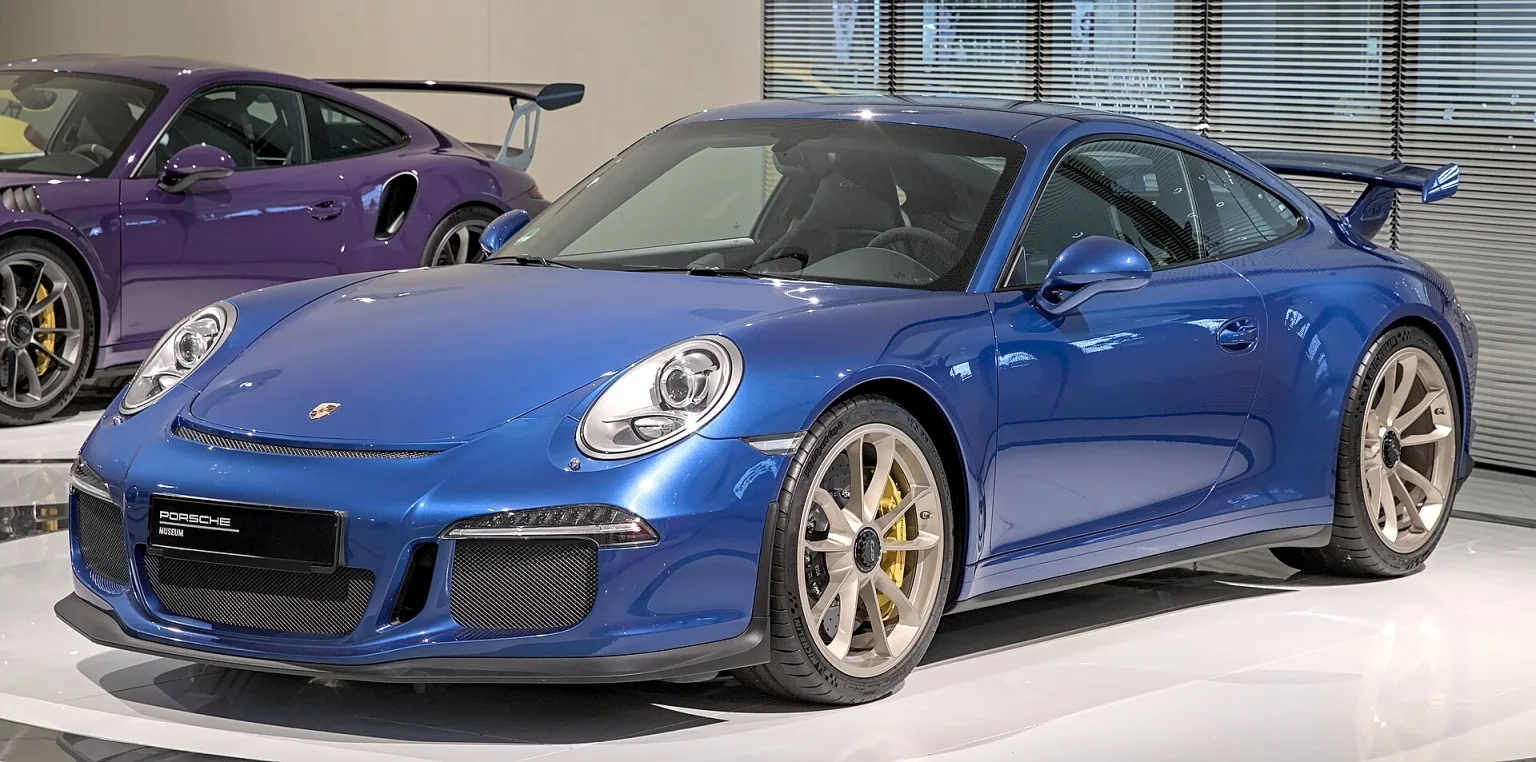
Porsche has unveiled the latest 911 GT3 at the Geneva International Motor Show, marking the world premiere of the fifth-generation of its iconic track-focused model. This launch coincides with the 50th anniversary of the 911, making it a significant milestone for the brand. The new GT3 arrives with a completely new powertrain, chassis, and bodywork, highlighting Porsche’s commitment to continual development in pursuit of high-performance motoring.
Porsche 911 GT3: World Premiere at Geneva Motor Show
Engine and Performance
At the heart of the new 911 GT3 is a 3.8-litre naturally aspirated flat-six engine, producing 475hp at 8,250rpm. This engine is based on the unit found in the 911 Carrera S, but Porsche states that only a few components are shared between the two. Key parts such as the crankshaft and valve gear have been specially developed for the GT3, ensuring a unique character and performance edge. The result is a car capable of sprinting from 0 to 100km/h in just 3.5 seconds, with a top speed of 315km/h. The impressive power-to-weight ratio of 3.0kg/hp contributes to its remarkable acceleration and agility.
Porsche claims the new GT3 can lap the Nürburgring Nordschleife in under 7 minutes 30 seconds, a feat made possible by the combination of its potent engine, advanced chassis, and lightweight construction. This performance places the GT3 firmly among the most capable road-legal track cars available in its class.
Transmission and Chassis Technology
A major change for this generation is the adoption of a seven-speed dual-clutch PDK transmission, replacing the manual gearbox found in previous GT3s. The new PDK has been specially developed with characteristics inspired by Porsche’s racing sequential gearboxes. This allows for rapid gear changes and enhances the car’s performance potential, especially on the circuit. The decision to move away from a manual gearbox reflects Porsche’s focus on maximising speed and precision for track use.
Another standout innovation is the introduction of active rear-wheel steering, making its debut on a production Porsche. The system can steer the rear wheels in the same or opposite direction as the fronts, depending on speed. At low speeds, the rear wheels turn in the opposite direction to improve agility and cornering, while at higher speeds they turn in the same direction to boost stability. This technology, together with an electronically controlled, fully variable rear differential lock and dynamic engine mounts, delivers sharper handling and greater driver confidence both on road and track.
Design and Aerodynamics
The new 911 GT3 stands out visually with its purposeful stance. Compared with the 911 Carrera S, its body is 44mm wider at the rear axle, providing a broader track for enhanced cornering performance. The large, fixed rear wing remains a defining feature, underlining the car’s circuit intent and contributing to increased downforce at speed. Weight-saving measures are evident throughout, ensuring the GT3 remains as light and agile as possible. These design choices are not merely aesthetic but serve to optimise the car’s aerodynamic efficiency and handling.
Market Launch and Pricing
Porsche will launch the new 911 GT3 in Germany from August 2013, with a starting price of €137,303 including VAT and national specifications. This positions the GT3 above the Carrera S in the 911 range, targeting buyers seeking a road-legal model with a strong track focus. The GT3’s blend of advanced technology and motorsport-inspired engineering is expected to influence future high-performance 911 variants.
Technical Highlights
- 3.8-litre flat-six engine with 475hp at 8,250rpm
- Seven-speed PDK dual-clutch transmission developed for the GT3
- First use of active rear-wheel steering on a production Porsche
- Electronically controlled, fully variable rear differential lock
- Dynamic engine mounts for improved handling
- 44mm wider rear axle compared to Carrera S
- Large fixed rear wing for increased downforce
- Power-to-weight ratio of 3.0kg/hp
- Nürburgring Nordschleife lap time under 7:30 minutes (claimed)
Position in the 911 Range
The 911 GT3 sits at the top end of Porsche’s 911 line-up, offering a more focused and track-ready alternative to the standard Carrera models. Its introduction of new technologies such as active rear-wheel steering and the PDK transmission signals Porsche’s direction for future high-performance models. The GT3 is aimed at enthusiasts who value precision, speed, and the latest engineering advances in a car that remains usable on public roads.
Conclusion
With its world premiere at the Geneva Motor Show, the fifth-generation Porsche 911 GT3 sets a new benchmark for road-legal track cars. Its combination of an all-new engine, advanced transmission, innovative chassis technologies, and distinctive design elements reinforces Porsche’s reputation for engineering excellence. The new GT3 not only celebrates the 50th anniversary of the 911 but also points the way forward for the marque’s high-performance models.