GM acquires Cruise Automation to advance self-driving push
General Motors has bought San Francisco-based Cruise Automation, aiming to accelerate its autonomous vehicle development by integrating the startup’s technology and talent.
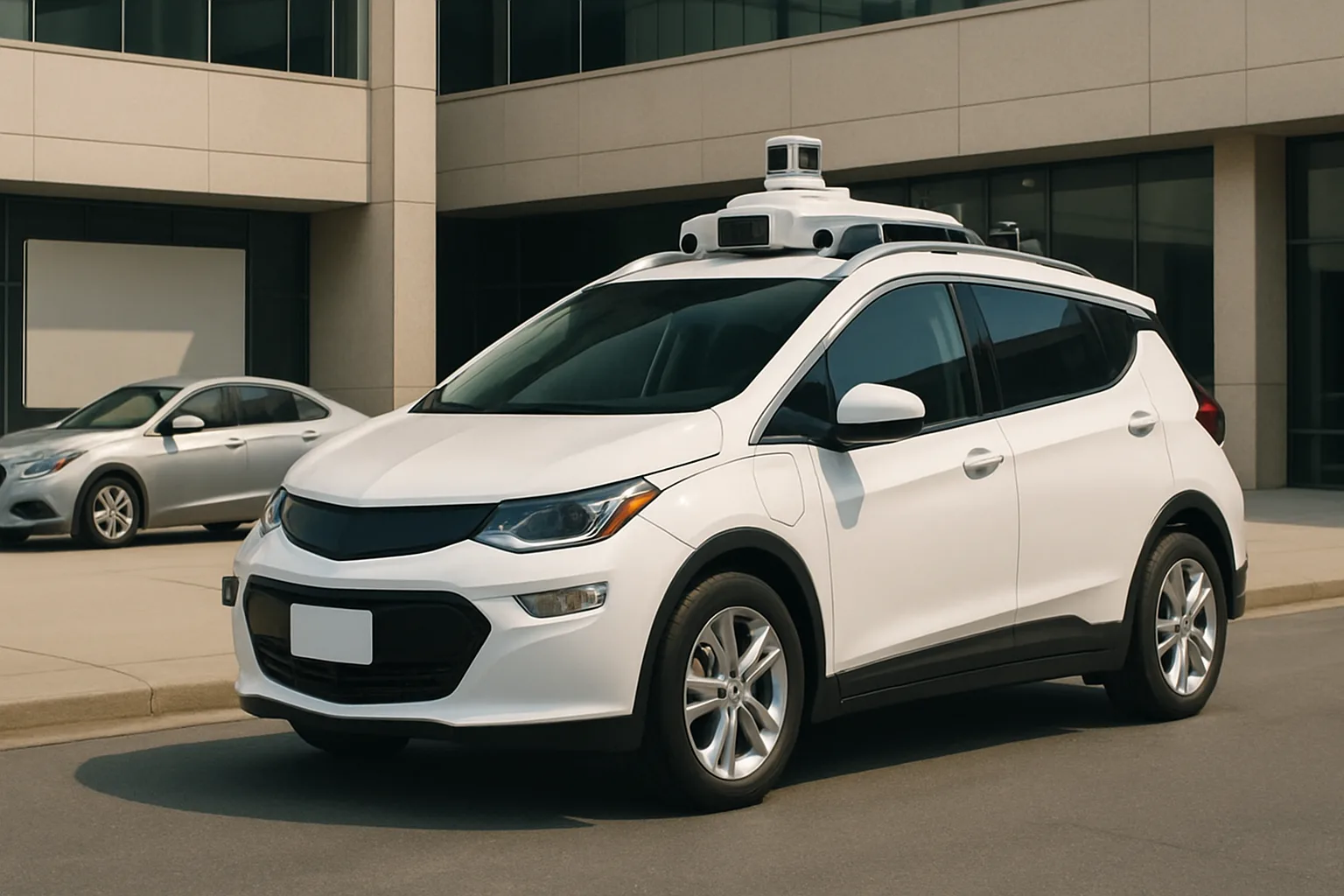
General Motors has acquired Cruise Automation, a San Francisco-based autonomous driving startup, as part of its strategy to accelerate development of self-driving vehicles. The deal, announced in March 2016, brings Cruise’s technology and team into GM’s newly formed Autonomous Vehicle Development Team.
Cruise Automation, founded in 2013, had developed aftermarket kits to retrofit existing vehicles with autonomous driving capability. GM’s purchase follows a series of moves by the Detroit manufacturer to strengthen its position in the autonomous and mobility sectors. In January 2016, GM announced a $500 million investment in ride-hailing company Lyft and launched Maven, a car-sharing business, signalling a broad commitment to new mobility models.
GM said Cruise will remain based in San Francisco and operate as an independent unit within the company’s autonomous vehicle division, led by Doug Parks. The intention is to integrate Cruise’s software and rapid development culture with GM’s scale and manufacturing expertise. According to GM executives, this combination is expected to give the company a technical edge in the competitive field of autonomous driving.
Why GM bought Cruise Automation
The acquisition gives GM direct access to Cruise’s engineering talent and proprietary technology, which had attracted attention in Silicon Valley for its rapid progress. For GM, which faces competition from technology firms such as Google and established rivals like BMW and Hyundai, the move is intended to close the gap between traditional carmakers and tech-driven entrants in the race to bring self-driving cars to market.
- GM’s investment in Lyft and launch of Maven show a wider mobility strategy.
- The deal aligns GM with Silicon Valley’s pace of software development.
- Cruise’s team and technology complement GM’s manufacturing scale.
Cruise’s integration into GM is expected to speed up the commercialisation of autonomous technologies, though the company did not disclose a timeline for deployment. The deal also positions GM to compete more directly with technology companies and other manufacturers expanding their own autonomous programmes, such as BMW’s autonomous 7 Series test fleet and Hyundai’s in-house chip development for self-driving cars. For more on how tech firms are shaping the sector, see Google’s push accelerates autonomous car development.
What it means for GM and the sector
GM’s move signals a shift in how traditional carmakers approach software and autonomy. By acquiring a specialist startup rather than building everything in-house, GM aims to combine fast-paced development with its established resources. The company’s recent investments suggest it sees autonomous vehicles and new mobility services as central to its future business model.