Google’s push accelerates autonomous car development
A report from IHS Automotive claims Google’s rapid progress in self-driving technology is forcing established carmakers to quicken their own autonomous vehicle programmes.
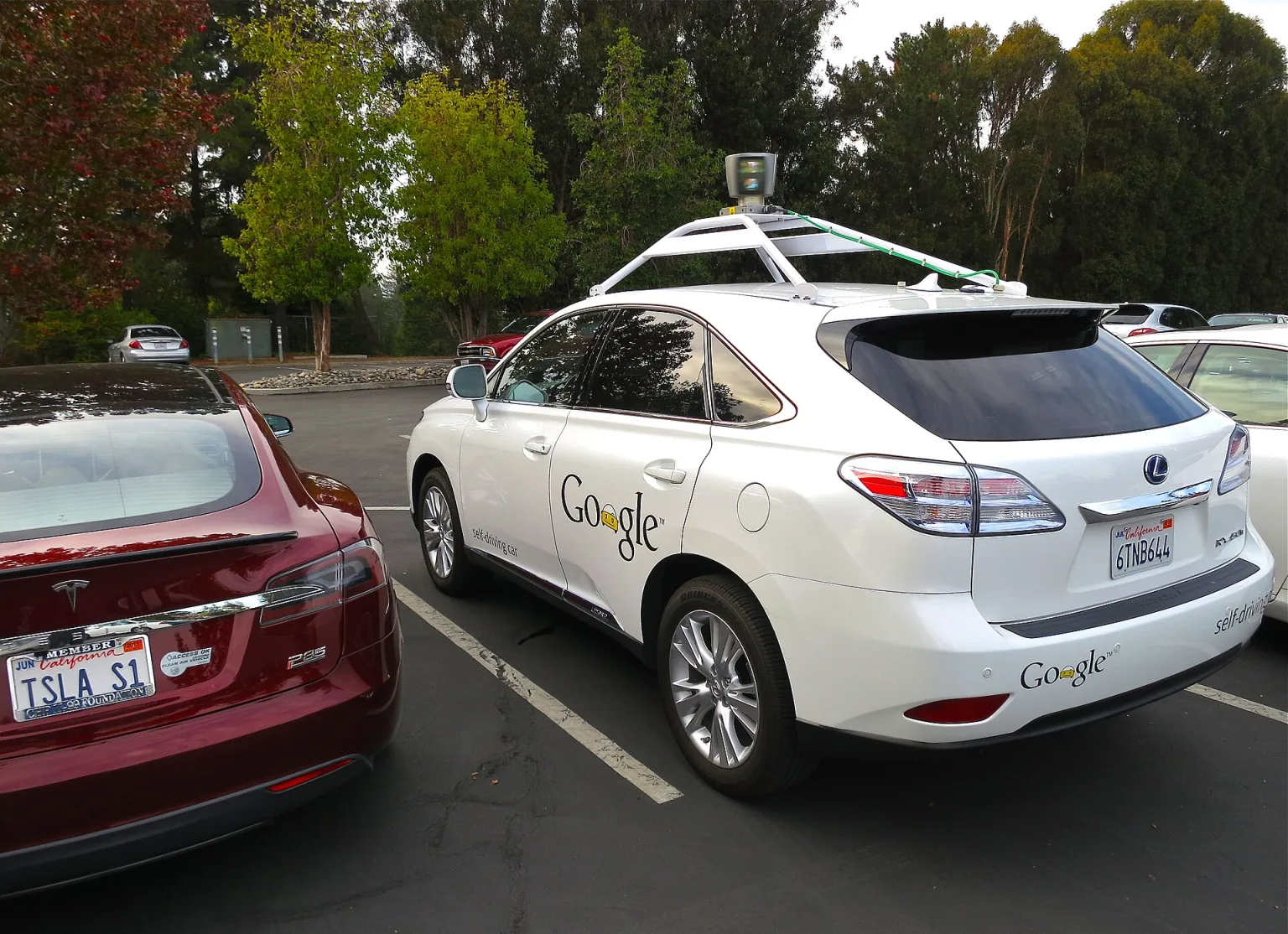
Google’s investment and expertise in artificial intelligence and connected technologies are accelerating the development of autonomous vehicles, according to a recent IHS Automotive report. The research claims Google’s influence is pushing traditional carmakers to increase their own efforts, with the company positioned to shape the sector in the coming years.
Google’s technology edge
The IHS Automotive report singles out Google for its rapid progress in self-driving software and supporting technologies. Egil Juliussen, the report’s author, points to Google’s ability to draw on its work in artificial intelligence, mapping, drones and network infrastructure. These resources allow the company to develop autonomous driving systems at a pace most carmakers cannot match.
IHS estimates Google has already invested nearly $60 million in autonomous vehicle research and development. While this figure is modest compared to the R&D budgets of major car manufacturers, Google’s focus on software and data gives it a different advantage. The company is developing detailed maps and algorithms that could underpin driverless vehicles within five years, according to the report.
Impact on carmakers and the market
The report argues that Google’s pace is forcing established manufacturers to accelerate their own autonomous driving efforts. Toyota’s recent $1 billion commitment to artificial intelligence is highlighted as an example of the pressure Google’s advances have created. Other carmakers, including Audi and Mercedes-Benz, have also increased their focus on autonomous systems, with some already testing self-driving vehicles on public roads.
IHS predicts that within ten years, driverless car-as-a-service models could become a feature of urban transport, enabled by technology platforms from companies like Google. The report suggests that Google’s strength lies in its ability to provide the software and data infrastructure that could underpin these new services, even if it does not manufacture vehicles itself.
- Google’s technology is accelerating the pace of autonomous vehicle development across the industry.
- Traditional carmakers are increasing investment in AI and autonomous systems.
- New business models such as car-as-a-service are expected within a decade.
For more on regulatory developments and industry responses to self-driving technology, see California Issues First Autonomous Car Testing Permits to Audi, Google and Mercedes-Benz.