GM Recall Crisis Fails to Dent Sales Momentum
Despite recalling nearly 16 million vehicles by May 2014, General Motors saw US retail sales climb faster than the industry average, defying expectations of a consumer backlash.
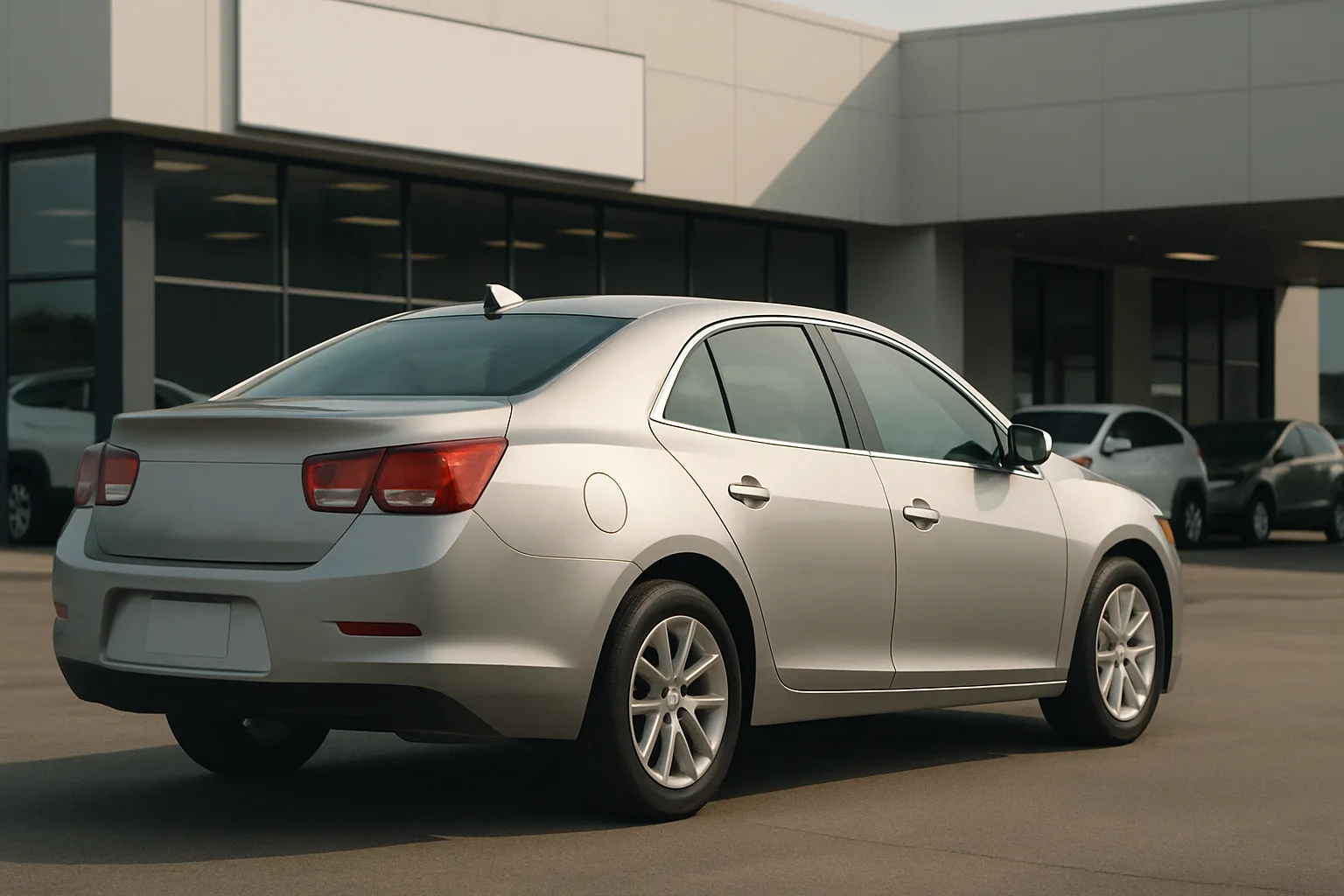
General Motors’ record-setting recall campaign in 2014, triggered by the ignition switch defect scandal, did not slow the company’s US sales growth. By 19 May, GM had recalled 15.8 million vehicles worldwide in 29 separate actions. Yet, according to data from LMC Automotive, its US retail sales rose 3.5% compared to the same period in 2013, outpacing the industry average of 0.5%.
Dealers across the United States reported that initial concerns among buyers over vehicle safety faded quickly as the scale of the recall became clear. Many customers, they said, interpreted the recalls as evidence that GM was taking safety more seriously, rather than as a reason to avoid the brand. This sentiment was echoed by several large dealer groups, who described showroom traffic as steady and noted that buyers were asking questions but not abandoning purchases.
Sales resilience amid recall pressure
The ignition switch crisis, which forced GM to revisit its safety processes and triggered congressional hearings, led to a wave of recalls through early 2014. The company’s approach, issuing recalls for a wide range of issues, some minor, was seen by some analysts as an attempt to demonstrate a new focus on transparency. US retail sales figures suggest this strategy did not backfire with the buying public, at least in the short term.
Investor confidence did not hold up as well. GM’s share price dropped 20% in the first five months of 2014, largely due to a $1.7 billion charge related to the recalls and the cost of addressing the underlying defects. While dealers remained optimistic about showroom traffic, shareholders faced the prospect of further charges as GM continued to comb its records for potential safety issues.
Dealers report steady demand
US dealers interviewed by Reuters described a shift in customer attitudes as the recall numbers mounted. Rather than sparking panic, the recalls appeared to reassure many buyers that GM was actively addressing safety. Some dealers noted that a minority of customers remained wary, but the majority were satisfied with the company’s response and continued to place orders for new vehicles.
The recall crisis did not affect all stakeholders equally. While buyers largely continued to purchase GM vehicles, investors reacted to the financial impact and uncertainty over future liabilities. The company’s decision to recall vehicles for a range of issues, not just the high-profile ignition switch defect, signalled a broader shift in recall policy that would continue to shape its relationship with both customers and regulators.
Further reading
- /three-new-general-motor-recalls-announced, General Motors Issues Three More Recalls Covering Over 120,000 Vehicles
- /us-two-critical-legal-tests-in-gm-ignition-switch-cases-start-this-week, GM Faces Two Key Legal Tests Over Ignition Switch Defect