GM links 19 deaths to ignition switch defect in recalled cars
General Motors told US safety regulators the number of fatalities tied to its ignition switch defect has reached 19, up from earlier estimates, as investigations into the recall continue.
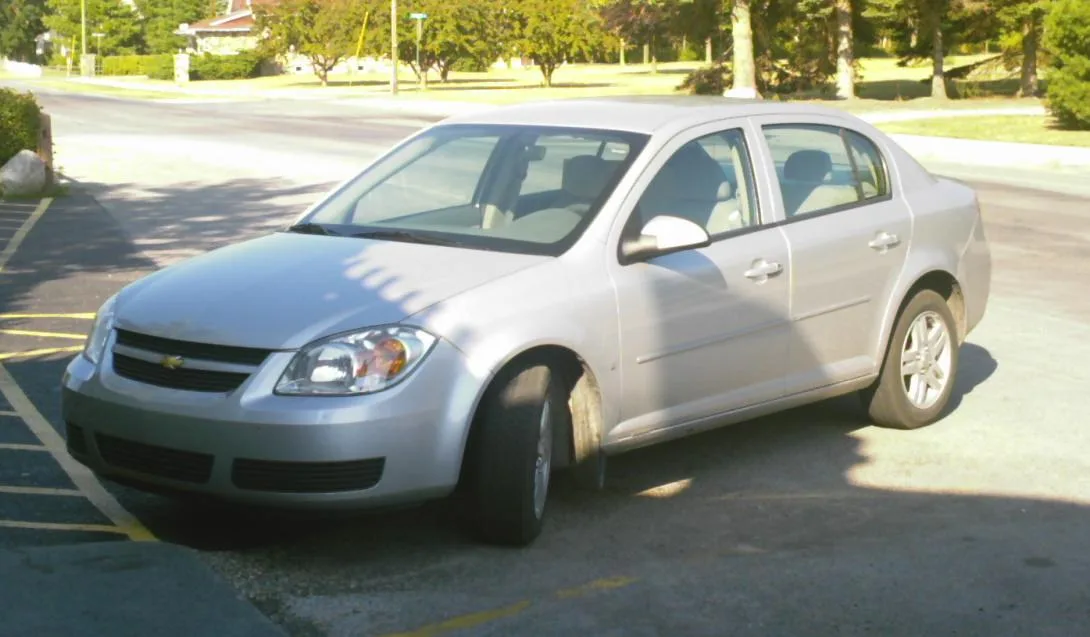
General Motors has notified US safety authorities that 19 fatalities are now linked to the ignition switch defect at the centre of its high-profile recall. This updated figure, provided to the National Highway Traffic Safety Administration (NHTSA), surpasses GM’s earlier public tally and reflects ongoing investigations into fatal crashes involving the affected vehicles. The new information was submitted to NHTSA’s Early Warning Reporting (EWR) database and made public on Wednesday.
GM Raises Fatality Count Linked to Ignition Switch Defect
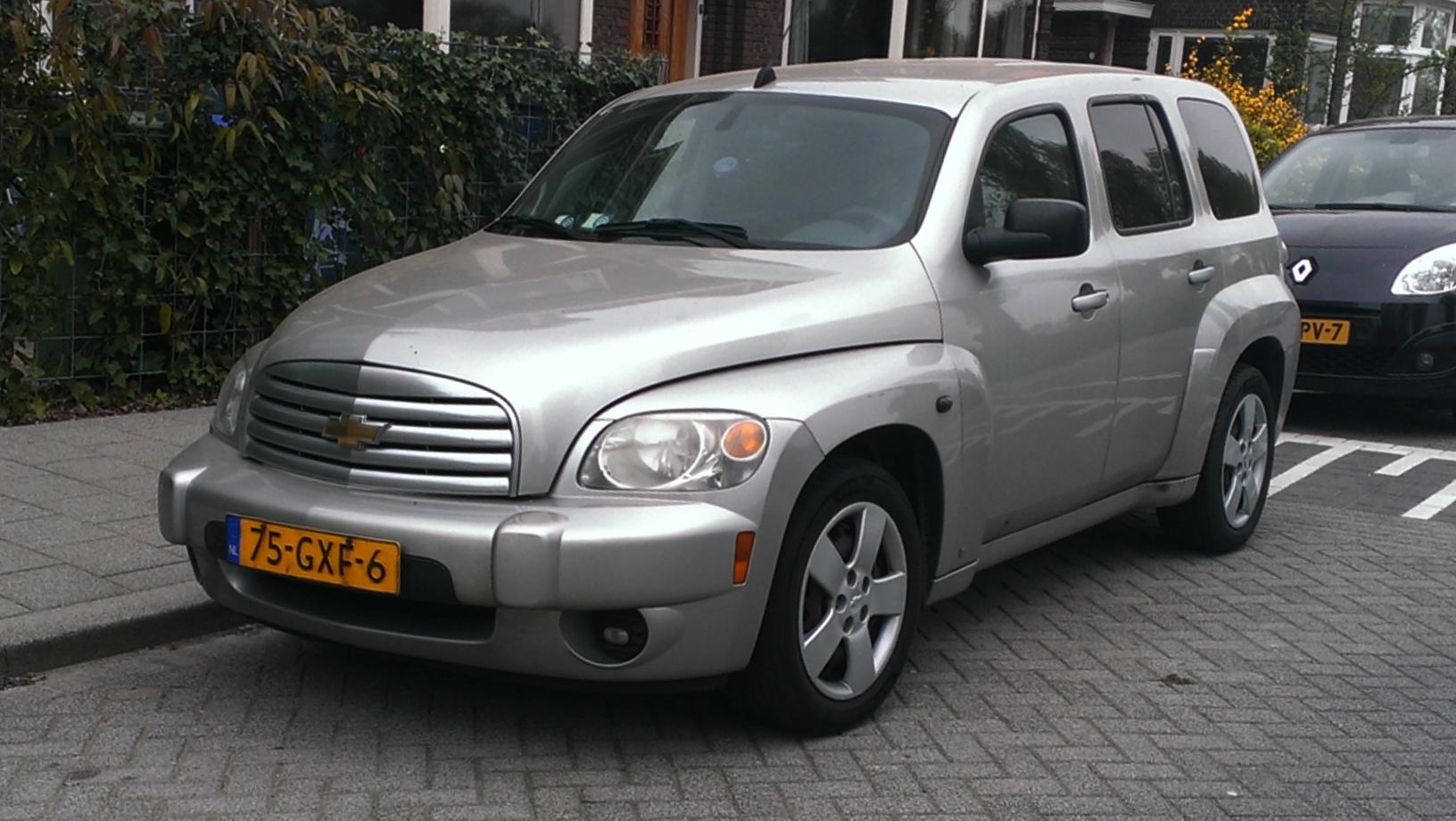
The vehicles in question include the Chevrolet Cobalt, Chevrolet HHR, and Saturn Ion. The recall, which has affected 2.6 million older GM vehicles, was first announced in February after reports of accidents and increasing evidence of a safety issue. The EWR database, where the information is now available, lists “reported components” as possible contributing factors to fatal crashes, rather than directly attributing each incident to the ignition switch defect.
Background of the Ignition Switch Recall
The ignition switch defect can cause the switch to move unexpectedly out of the “run” position. When this occurs, it may shut off the engine and disable critical safety systems such as airbags, significantly increasing the risk of injury or death in a crash. GM initially acknowledged 13 deaths related to the ignition switch defect, with an additional three fatalities later tied to a related switch recall. The most recent update brings the confirmed toll to 19 fatalities. The company has indicated its investigation is ongoing, and further updates may be released as new evidence is reviewed.
The fatal incidents reported by GM date back as far as 2009. The EWR database does not include the names of accident victims, nor does it directly attribute every crash solely to the ignition switch defect. Instead, it lists “reported components” as possible contributing factors to the crashes.
Breakdown by Model and Fatal Crash Data
GM provided a breakdown of the fatal crashes by vehicle model to the NHTSA. The data covers three models first recalled in February.
| Model | Fatal Crashes | Deaths |
|---|---|---|
| Chevrolet Cobalt (2005-2009) | 14 | 15 |
| Chevrolet HHR (2007) | 3 | 3 |
| Saturn Ion (2005-2006) | 2 | 2 |
The Chevrolet Cobalt accounted for the highest number of incidents, with at least 14 fatal crashes and 15 deaths. The Chevrolet HHR was linked to three deaths in three separate crashes, while the Saturn Ion was involved in two fatal accidents resulting in two deaths. These numbers reflect only those cases where the ignition switch defect is considered a potential contributing factor, according to the EWR database.
Regulatory Scrutiny and Legal Consequences
GM’s handling of the ignition switch defect has prompted significant scrutiny from US regulators and lawmakers. The company has faced criticism for delays in recognising the scale of the problem and in issuing the recall. Multiple investigations have been launched into GM’s actions, and the company continues to face lawsuits from families of crash victims and their representatives. These legal proceedings challenge GM’s disclosures, settlements, and overall response to the defect.
As investigations continue, GM has stated it will cooperate fully with regulators and provide further information as it becomes available. The recall remains one of the largest in the company’s history, with ongoing efforts to repair affected vehicles and address safety concerns.
Ongoing Investigation and Next Steps
GM’s investigation into the ignition switch defect is not yet complete. The company continues to review crash data and claims, and it is possible that the fatality count could rise if additional cases are linked to the defect. Owners of recalled vehicles are urged to have the necessary repairs completed as soon as possible to reduce the risk of further incidents.
The situation remains dynamic, with regulatory authorities monitoring GM’s progress in addressing the defect and ensuring compliance with safety standards. The outcome of ongoing legal cases and further updates from GM and NHTSA will likely shape the broader response to this significant automotive safety issue.