Mercedes Integrates Google Glass with In-Car Navigation
Mercedes-Benz has developed a system linking Google Glass to its navigation, aiming for uninterrupted guidance from doorstep to destination, pending Google’s commercial launch of the wearable.
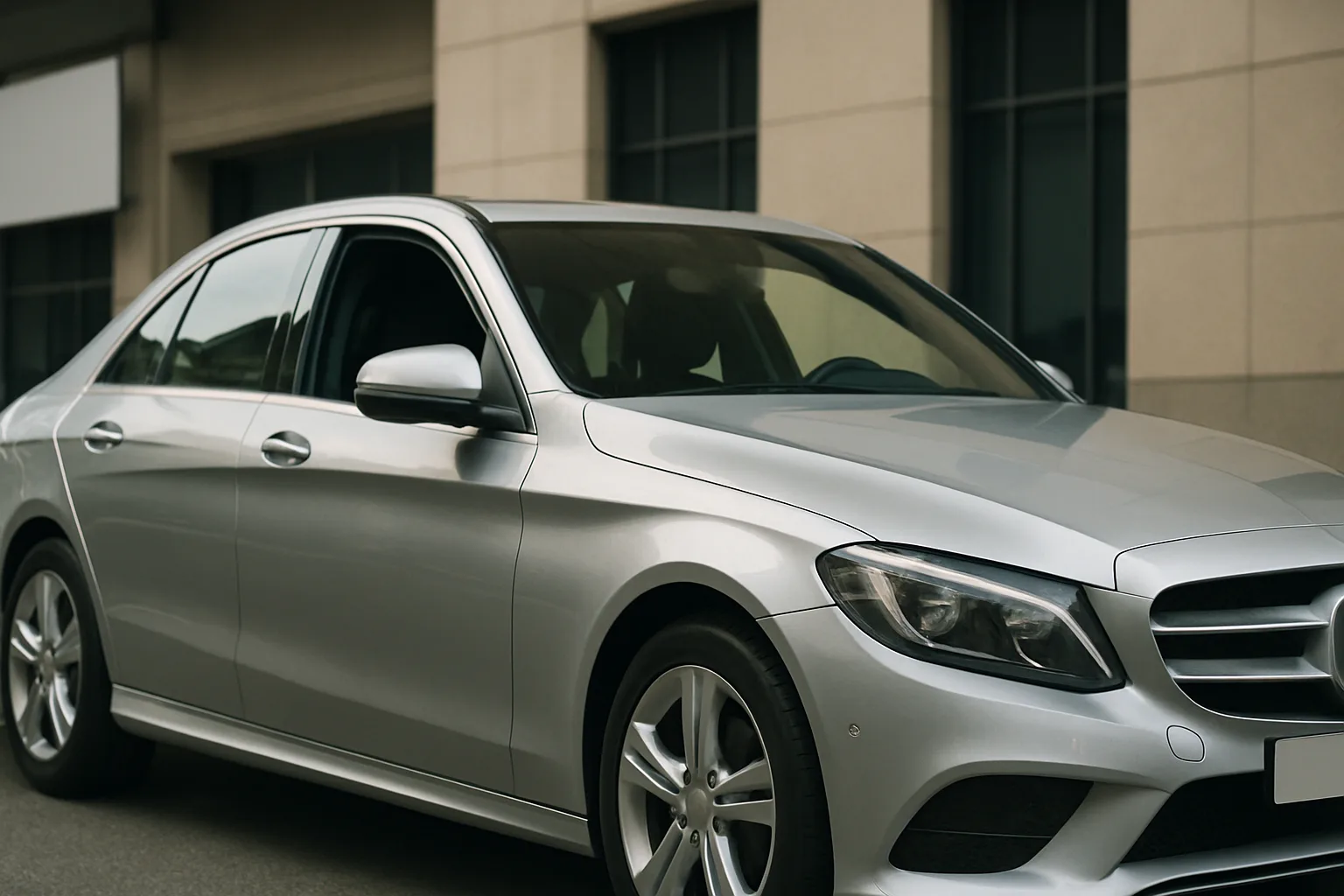
In 2013, Mercedes-Benz revealed a prototype system that connected Google Glass, a wearable smart device, to its in-car navigation. This integration aimed to bridge the gap between digital and physical navigation, providing users with continuous guidance from their front door to their final destination, even after leaving the vehicle. The project was developed as part of Mercedes’s broader vision of “digital living,” where information stored on smartphones, computers and other digital devices could be accessed seamlessly in the car.
Overview of the Google Glass and Mercedes-Benz Integration
How the System Works
The Mercedes-Benz prototype used the voice-activated interface of Google Glass to extend navigation beyond the vehicle itself. Before setting off, users could receive step-by-step walking directions to their car via Google Glass. Once inside the car, destination data would transfer from the wearable device to the car’s built-in navigation system. During the drive, the in-car system provided the usual turn-by-turn guidance. On arrival and after parking, Google Glass would resume, offering walking directions to the final address. This process was described by Mercedes as a seamless transition between digital and physical navigation, allowing users to stay connected and guided throughout their entire journey.
Features and Potential Applications
At the time of the announcement, Mercedes-Benz indicated that the Google Glass navigation app would be made available once Google Glass itself reached commercial release. The system demonstrated more than just basic navigation. The company’s head of North American R&D, Johann Jungwirth, suggested that the integration could be expanded to include additional infotainment features. These might include access to music, email, and real-time traffic updates, although no specific details or timelines were provided.
The integration of Google Glass with in-car systems was seen as a step towards more connected and interactive driving experiences. Analysts noted the potential for wearables like Google Glass to improve driver safety and convenience by offering hands-free access to information and services while on the road. However, the commercial future of the project was closely tied to the broader rollout and adoption of Google Glass itself, which at the time had not yet reached mass-market availability.
Industry Context and Competitors
The Mercedes-Benz and Google Glass collaboration was notable as no other major German automakers, such as Audi or BMW, had announced similar projects at that time. The move reflected a growing trend in the automotive industry to integrate consumer electronics with vehicle systems, aiming to enhance the user experience both inside and outside the car.
Google Glass, still in its early development phase in 2013, was being explored by technology companies for various applications, including smart windscreen concepts and other in-car uses. The Mercedes project was one of the first public demonstrations of how wearable technology might be used to extend navigation and infotainment beyond the vehicle itself.
Challenges and Limitations
Despite the promise shown by the prototype, several challenges remained. The commercial launch of the Mercedes-Benz Google Glass navigation system was entirely dependent on Google Glass becoming widely available. As of the 2013 announcement, Google had not set a firm date for the consumer release of Glass. This uncertainty meant that Mercedes could not commit to a launch timeline or provide details on pricing or availability for its navigation app.
Another limitation was the lack of information about how the system would be updated or expanded in the future. While Mercedes mentioned the potential for added features such as music and email integration, no concrete plans were outlined. The success of such features would also depend on the hardware and software capabilities of Google Glass, as well as user acceptance of wearable technology in everyday driving.
Broader Implications for Automotive Technology
The Mercedes-Benz and Google Glass project highlighted the automotive industry’s interest in integrating emerging technologies to enhance the driving experience. As vehicles become more connected, partnerships between car manufacturers and technology companies are expected to play a significant role in shaping future mobility solutions. Wearables like Google Glass represent one approach to bridging the gap between personal digital devices and in-car systems, potentially leading to new ways for drivers to interact with information, navigation and entertainment.
As of the last update, Mercedes had not announced a launch date or detailed pricing for the Google Glass navigation system, and the project’s future remained closely linked to the development and commercial success of Google Glass itself.