Google Pilots Car Shopping Service in San Francisco Bay Area
Google has launched a beta car comparison and dealer contact tool, Google Cars, for users in the San Francisco region, letting them browse dealer inventory and filter by detailed specifications.
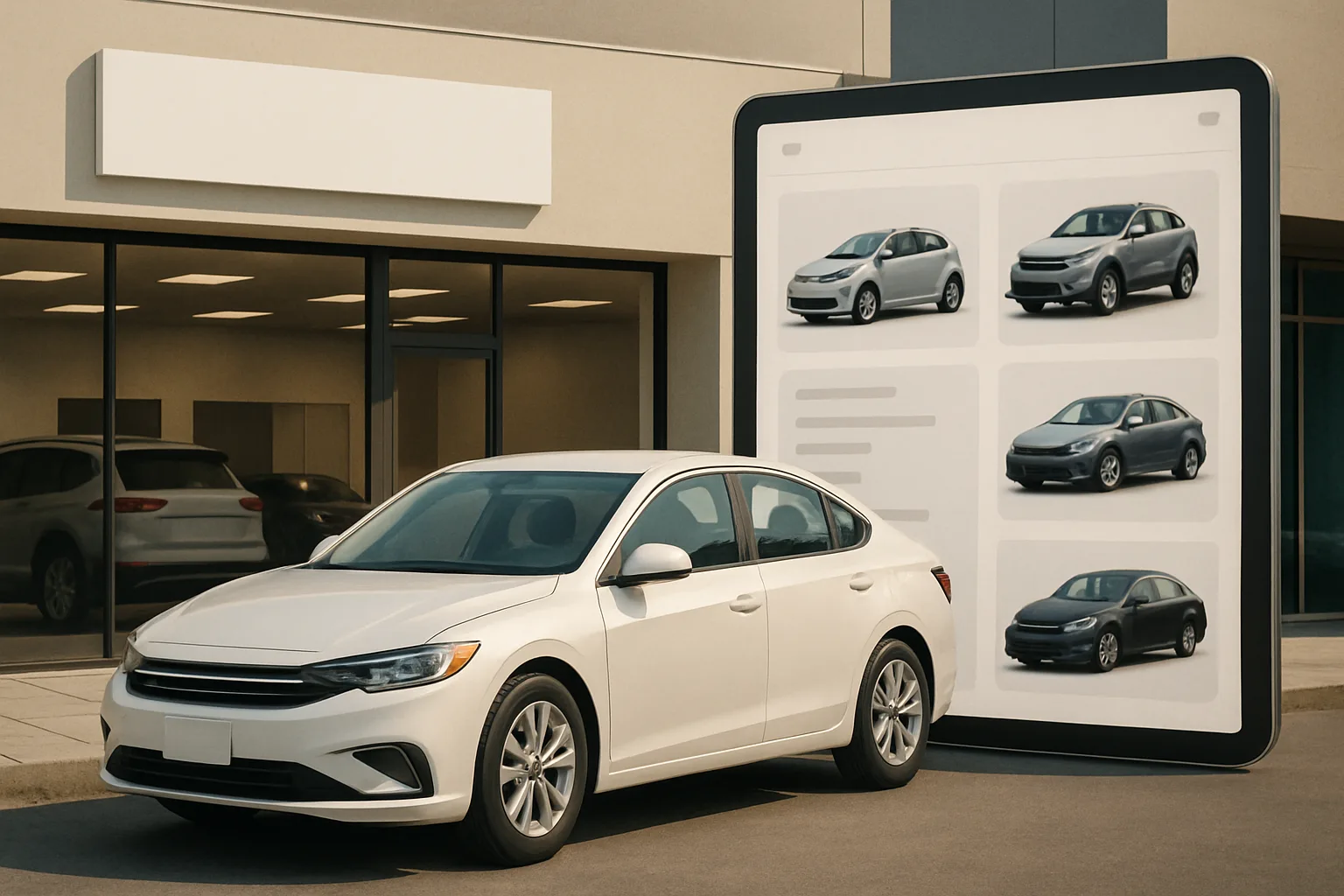
Google has begun testing a new car shopping feature, Google Cars, for users in the San Francisco Bay Area. The beta service allows potential buyers to compare new vehicles from local dealers, browse inventory, and contact sellers directly through Google's platform.
Access to Google Cars requires users to set their location to a Bay Area ZIP code, such as 94301, and search for a make and dealer (for example, 'Palo Alto Toyota'). The results page presents vehicle images, prices, and a link to an Auto Advisor site, showing a selection of cars available from participating dealerships.
Dealer feeds and sponsored listings
Dealers provide Google with a feed of their inventory, including details such as trim, engine, transmission, exterior and interior colours, and even vehicle identification numbers (VINs). This allows buyers to compare specific cars rather than just generic models. The platform makes clear which listings are sponsored, indicating that some dealers pay Google for enhanced placement or visibility.
For users, this approach offers a way to compare vehicles at a glance, with the ability to filter by the features that matter most. The system is designed to limit the amount of personal information shared with dealers, reducing the risk of unwanted follow-up calls or emails. Instead, users can choose when and how to initiate contact with a seller.
Comparison with other Google services
Google Cars is built on the same technology as Google Advisor, which already covers products such as hotels, flights, and financial services. The expansion into automotive retail brings the company into direct competition with established car shopping platforms, though Google’s reach and integration with its core search functions may give it a distinct advantage in user convenience and traffic.
The service’s focus is strictly on new vehicles for now, with inventory and pricing sourced directly from dealers. Used cars and private sellers are not included in the beta. The platform’s filtering tools allow buyers to select not just make and model but also specific trim levels, engines, transmissions, colours, and equipment packages, which could appeal to buyers looking for a particular specification.
Implications for dealers and buyers
For dealerships, Google Cars presents a new digital channel to reach buyers, with the potential to drive traffic from Google’s core search audience. Dealers participating in the beta can showcase their inventory with detailed information and images, and those willing to pay for sponsored listings may benefit from increased visibility. The VIN-level detail also means buyers can see exactly what’s on the lot, rather than simply requesting a quote for a generic model.
For buyers, the integration of car shopping into Google’s search results could streamline the research and buying process, especially for those looking to compare vehicles across multiple dealers without handing over personal details too early. The service’s privacy protections and filtering tools could set a new standard for online car shopping if the pilot is expanded beyond the Bay Area.
Google has not announced any plans to roll out the service nationally or internationally. For now, the beta remains limited to the San Francisco area while the company gauges dealer and user response.