Google to spin off self-driving car project as separate company in 2016
Google is preparing to launch its autonomous vehicle unit as a stand-alone Alphabet business next year, with ride-hailing services planned for limited US locations.
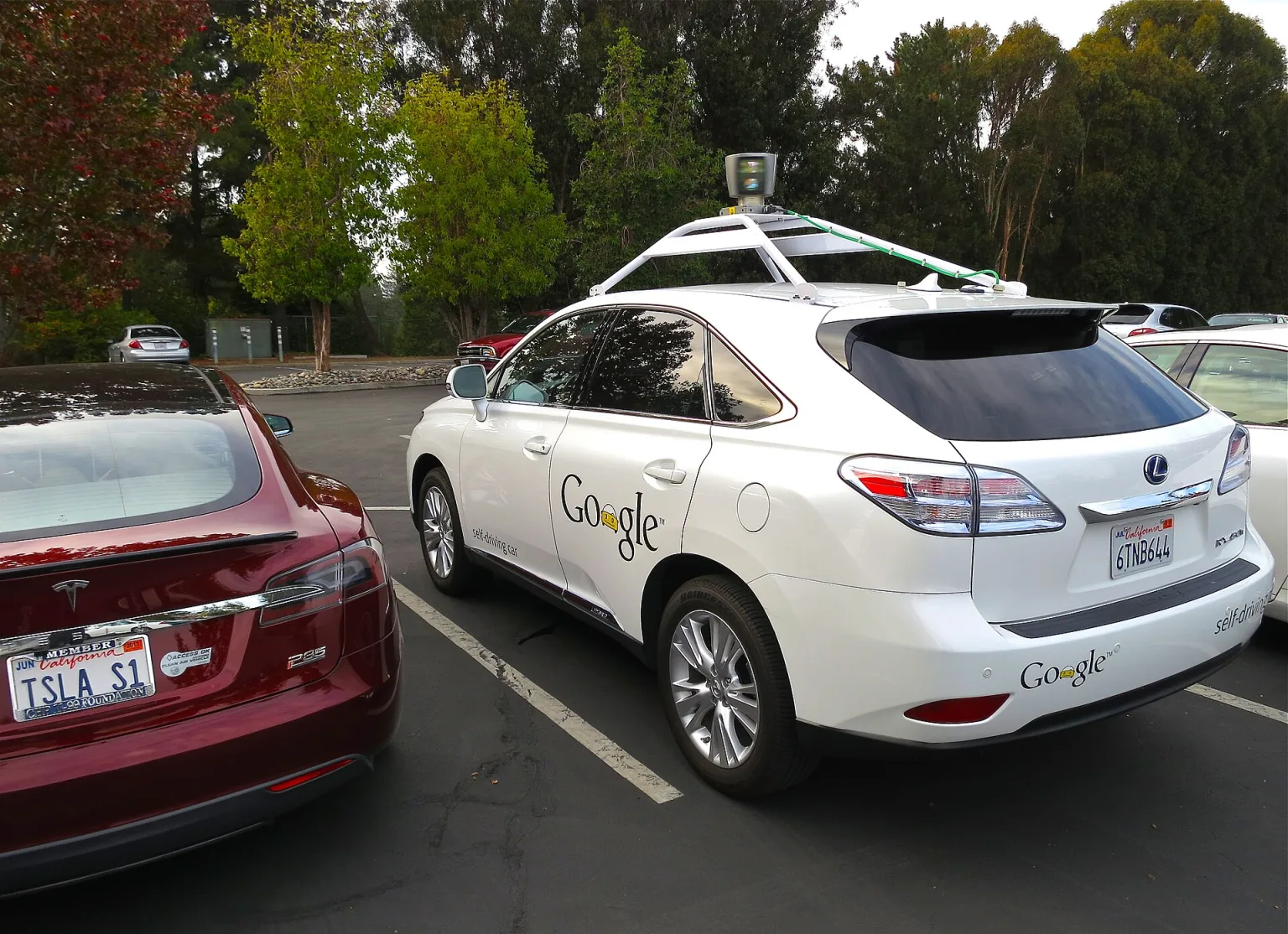
Google is set to turn its self-driving car programme into a separate business under the Alphabet umbrella in 2016, according to a report from Bloomberg. The move will see the autonomous vehicle project shift from research to commercial operation, with plans to offer ride-hailing services in selected areas of the United States.
Google's Stand-Alone Driverless Car Business: 2016 Launch
| Year | Milestone |
|---|---|
| 2009 | Public road testing of autonomous vehicles begins |
| 2015 | First internally designed self-driving prototypes deployed on California streets |
| August 2015 | Google's advanced-technology operations reorganised under Alphabet |
| 2016 | Planned launch of stand-alone self-driving car business |
Background and Testing Milestones
Google has been testing autonomous vehicles on public roads since 2009, amassing over 1 million miles, mostly around Mountain View, California and Austin, Texas. In mid-2015, Google began running its own in-house designed, compact self-driving prototypes on public streets in California. These bubble-shaped vehicles marked a shift from using modified production cars to purpose-built autonomous prototypes.
The extensive testing has allowed Google to collect valuable data on real-world driving conditions and refine its technology. By operating primarily in California and Texas, the company has been able to navigate a range of regulatory environments and road types. This experience is expected to inform the rollout of its commercial ride-hailing service.
Initial Focus on Controlled Environments
- First phase of commercial service limited to contained areas such as university campuses, military sites, or large corporate office parks
- Restricting operations to these environments allows Google to manage safety and regulatory challenges
- No public timeline yet announced for expansion beyond these locations
This approach differs from established automakers, many of whom are pursuing gradual automation of privately owned vehicles. Google's strategy centres on providing rides for hire in controlled settings, rather than selling autonomous vehicles directly to consumers. Limiting the service to specific areas is seen as a way to build public trust and ensure safety as the technology is refined.
Industry Implications and Future Outlook
Industry observers note that introducing ride-for-hire services could help consumers become more comfortable with autonomous vehicles. By offering the technology in familiar, contained environments, Google aims to encourage wider acceptance of driverless cars. This could have a broader impact on the automotive industry, as more companies race to bring autonomous vehicles to market.
Many automakers and technology companies, including Google, have identified 2020 as a target year for the wider deployment of autonomous vehicles. The next few years are expected to see increased competition and collaboration as companies refine their technology and navigate regulatory challenges.
Alphabet Structure and Next Steps
The self-driving car project currently operates within Google X, the company's advanced research division. Following Alphabet's corporate restructuring in August 2015, the autonomous vehicle effort is now set to become an independent business unit. This will give it more autonomy over operations and finances, and position it alongside other Alphabet subsidiaries such as Waymo and Verily.
The coming year will reveal how the company navigates the transition from research to commercial deployment and how its approach influences the broader industry.