Bahrain GP2 Asia race cancelled as violence escalates
Organisers halted the GP2 Asia round at Sakhir after anti-government protests intensified in Bahrain, casting doubt on Formula One’s 2011 season opener.
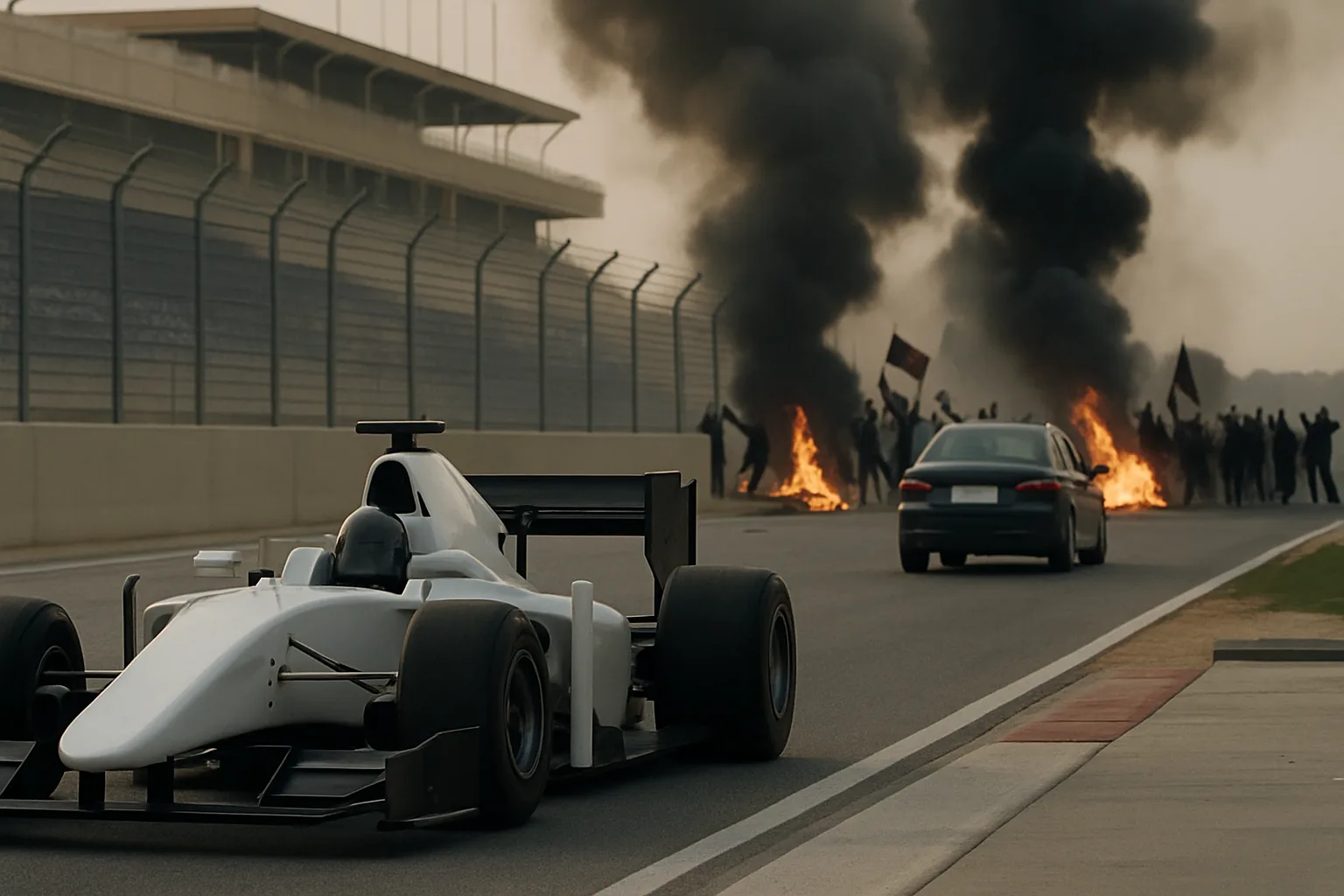
The GP2 Asia Series cancelled its Bahrain round at the Sakhir circuit on Thursday, 17 February 2011, as anti-government protests and violent clashes intensified across the Gulf kingdom. The decision was made at the request of the Bahrain Motorsport Federation, which cited safety concerns amid the mounting unrest. The cancellation marked a significant development as Bahrain faced widespread demonstrations inspired by events in Egypt and elsewhere in the region.
GP2 Asia Series Bahrain Round Cancelled Amid Unrest
Background to the Cancellation
The Sakhir round was a key fixture for the GP2 Asia Series, serving as an important venue for winter racing and testing for teams and drivers preparing for the main European season. The decision to cancel followed several days of escalating demonstrations, with protesters demanding political reforms and security forces responding with force. Reports from within Bahrain described widespread injuries and fatalities, and there were accounts of journalists being stopped from entering the country. Restrictions on media and internet access were also reported, further complicating the situation for teams and organisers.
Impact on Formula One Calendar
The cancellation of the GP2 event immediately raised concerns about the viability of the Formula One season opener, also scheduled for the Sakhir circuit in March 2011. At the time of the GP2 decision, F1 teams were due to travel to Bahrain for pre-season testing within two weeks. Both the FIA and F1’s commercial management, led by Bernie Ecclestone, acknowledged the deteriorating security situation and indicated that they were closely monitoring developments. No official decision regarding the Grand Prix had been announced at the time, but the uncertainty placed additional pressure on organisers to consider the safety of teams, drivers, and spectators.
Consequences for Teams and Motorsport Stakeholders
For teams and drivers, the loss of the Sakhir GP2 round disrupted pre-season preparations and reduced valuable competitive mileage ahead of the main racing season. The cancellation also raised questions for sponsors, broadcasters, and logistics providers, who sought clarity on the future of major motorsport events in Bahrain. The situation put F1 organisers in a difficult position, as they had to balance commercial interests with the responsibility to ensure the safety of all participants and attendees.
Wider Implications for Motorsport in the Region
Bahrain’s unrest in early 2011 was part of a broader wave of protests across the Middle East and North Africa, often referred to as the Arab Spring. The decision to cancel the GP2 round set a precedent for other international sporting events in the region, as organisers and governing bodies weighed the risks of proceeding with scheduled competitions amid political instability. The events in Bahrain prompted a review of contingency plans for future races and highlighted the vulnerability of global motorsport calendars to local unrest and political change.
The GP2 Asia Bahrain round was the first international motorsport event to be cancelled as a direct result of the 2011 wave of unrest in the Middle East. The situation in Bahrain was closely watched by other sporting bodies, and further developments, including the status of the 2011 Formula One Bahrain Grand Prix, were expected in the weeks following the GP2 cancellation as the situation evolved. The cancellation underscored the challenges faced by international sport in regions experiencing significant political and social upheaval.
Looking Ahead: Motorsport and Political Unrest
The events in Bahrain in 2011 served as a reminder of the complex relationship between international sport and local political circumstances. Motorsport governing bodies, teams, and commercial partners were forced to consider not only the logistics of hosting events but also the broader context in which they take place. The cancellation of the GP2 round highlighted the importance of contingency planning and the need for flexibility in response to rapidly changing situations. As unrest continued in Bahrain and elsewhere in the region, the motorsport world awaited further updates on the fate of upcoming events and the long-term implications for racing in the Middle East.