Greek new car sales plunge 47% in May as crisis deepens
Passenger car registrations in Greece fell to just over 5,300 units in May 2012, with commercial vehicles and year-to-date figures also sharply down on 2011.
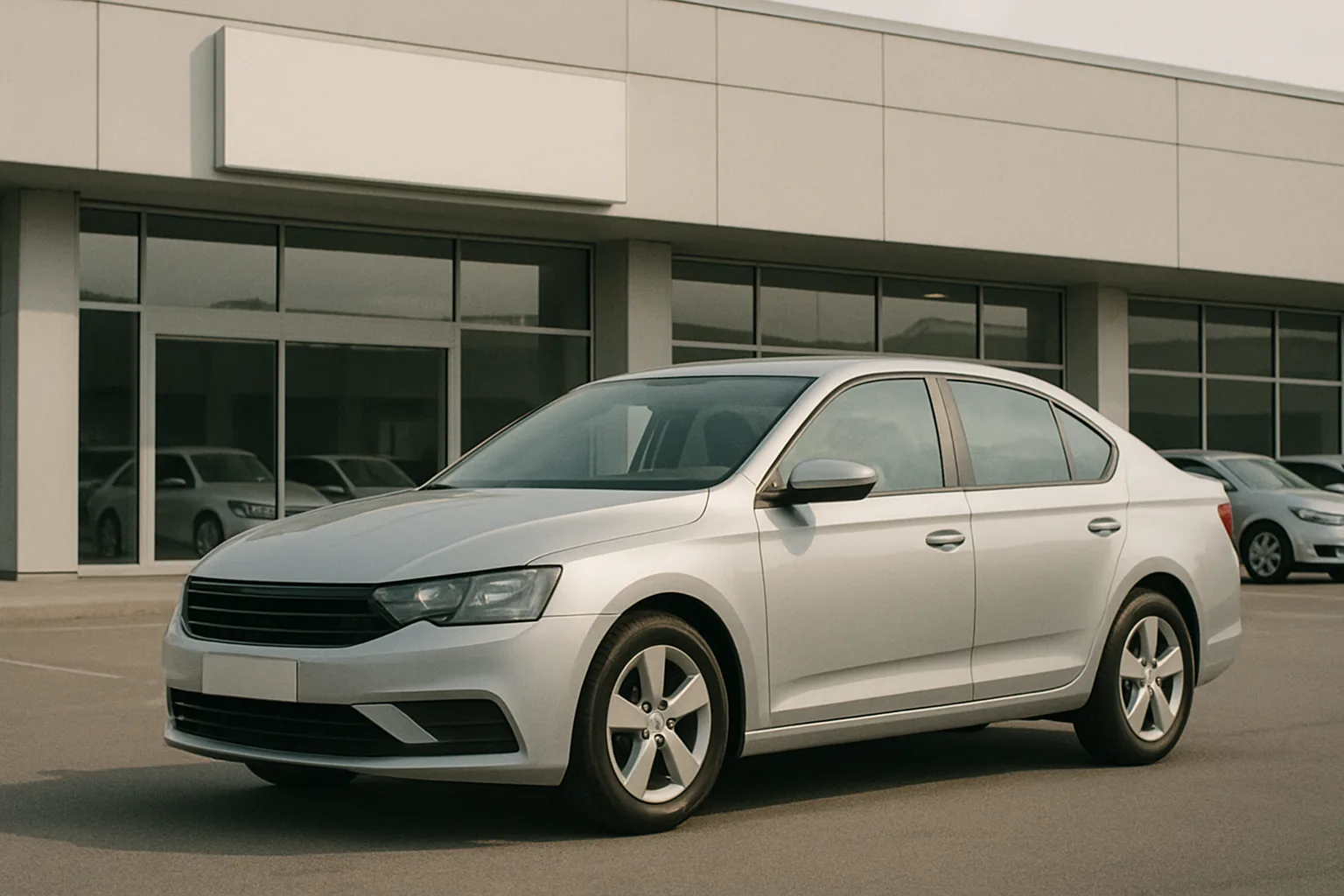
New car registrations in Greece dropped 47.3 percent in May 2012 compared to the same month last year, as the country’s economic crisis continued to hit consumer confidence and demand. According to official figures, just 5,314 passenger cars were registered during the month, down from 10,085 in May 2011. The sharp decline is indicative of the deepening recession and the uncertainty facing Greek consumers.
Greek New Car Sales Plummet in May 2012
Commercial Vehicle Market Suffers Steep Declines
The decline was even more pronounced among commercial vehicles. Light commercial registrations dropped to 233 units, a fall of 63.7 percent from 642 in May 2011. Medium and heavy commercial vehicles fared no better: only 16 were registered in May, down from 46 a year earlier, a 65.2 percent decrease. These figures highlight the severe contraction in business activity and investment across the country, as companies delay or cancel fleet renewals in the face of economic uncertainty.
For the first five months of 2012, the Greek new car market was down 40 percent on the previous year. This sustained drop underlines the depth of the crisis affecting both private and commercial vehicle sectors. The continued weakness in registrations is having a significant impact on the automotive industry and related services, including dealerships, importers, and aftersales networks.
Comparison With Broader European Market
The Greek market’s contraction is now among the steepest in Europe. While new car sales across the continent fell 8.7 percent in May, Greece’s figures are much more severe. The difference reflects the particular challenges facing Greece, including high unemployment, wage cuts, and an ongoing sovereign debt crisis. By contrast, some other European countries have experienced more moderate declines or even growth in certain months, such as Volkswagen Group’s reported global sales rise of 7.8 percent in May.
Economic Crisis and Industry Impact
Manufacturers and dealers operating in Greece have faced a collapse in demand as the country’s financial crisis has dragged on. The sharp fall in new vehicle registrations in May follows a similar contraction in April, with little sign of stabilisation. The continued decline in registrations has direct consequences for dealerships, importers and service networks. With fewer new vehicles entering the market, aftersales revenues and parts demand are also under pressure. The commercial vehicle sector, which supplies transport for small businesses and logistics, is particularly exposed as economic activity slows. Light commercial vehicle registrations in Greece fell by nearly two-thirds year-on-year in May 2012.
Political Uncertainty and Future Outlook
The May figures were published just days before a crucial Greek general election, widely seen as a referendum on the country’s future in the eurozone. Political instability has added to the uncertainty for both consumers and businesses, with many potential buyers delaying purchases. International automakers have warned that a Greek exit from the euro could further disrupt financial systems and damage prospects for a recovery in European car sales. With the Greek market now less than half the size it was a year ago, automakers and their local partners face a challenging environment for the remainder of 2012.
The outcome of the upcoming election is expected to have significant consequences for the automotive sector. If the far-left party Syriza, which has opposed austerity measures linked to bailout agreements, wins and forms a coalition, Greece could exit the eurozone within weeks or months, according to experts in Washington. Such a scenario would likely create additional instability in the car market, as currency changes and further economic disruption would impact both consumer confidence and business investment.
The outlook for a recovery depends not only on political developments in Greece but also on wider efforts to stabilise the eurozone and restore consumer confidence across southern Europe. The automotive market in Greece is expected to remain under pressure until there are clearer signs of economic and political stability. Until then, manufacturers, dealers, and related businesses will continue to face significant challenges in one of Europe’s hardest-hit markets.
Related Articles and Further Reading
- New Car Sales in Greece Declined 35.7 percent in October
- Greece new car sales up 16.5 percent in November
- Europe New Car Sales Down 8.7 percent in May
- Volkswagen Group Global Sales up 7.8 percent in May