Most Consumers Expect Car Hacking to Become Routine Threat
A Kelley Blue Book survey found nearly 80 percent of car buyers expect hacking to be a frequent problem within three years, with many willing to pay for better security.
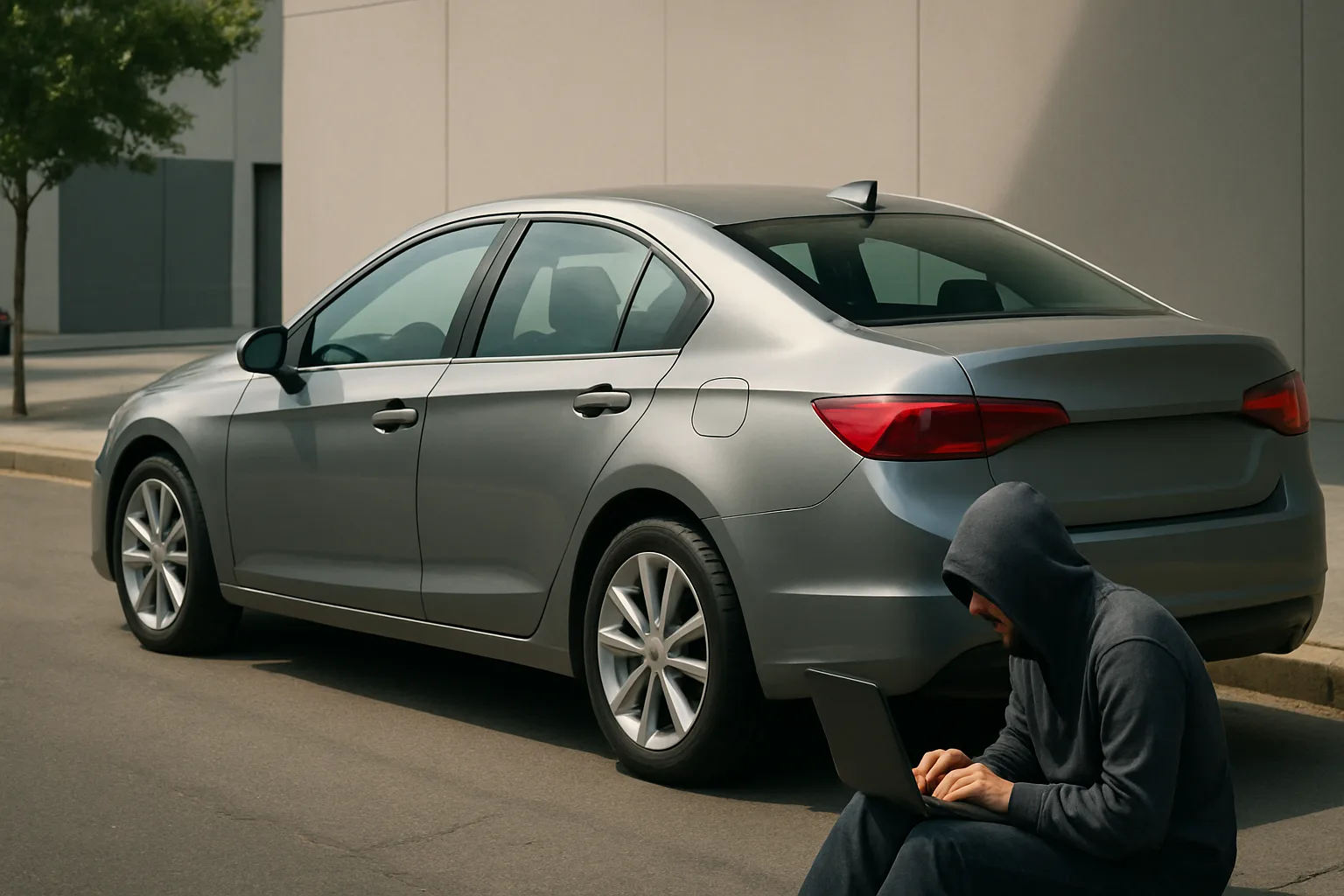
A Kelley Blue Book survey has found that nearly 80 percent of consumers believe hacking will become a frequent problem for vehicles within the next three years, underlining growing public concern as carmakers add more connected features to their models.
The findings follow high-profile incidents in 2015, including the remote compromise of a Jeep Cherokee, which forced Fiat Chrysler to recall 1.4 million vehicles to patch the vulnerability. BMW and General Motors also responded to cybersecurity weaknesses around the same time, with BMW offering a software update after researchers demonstrated they could unlock certain models remotely.
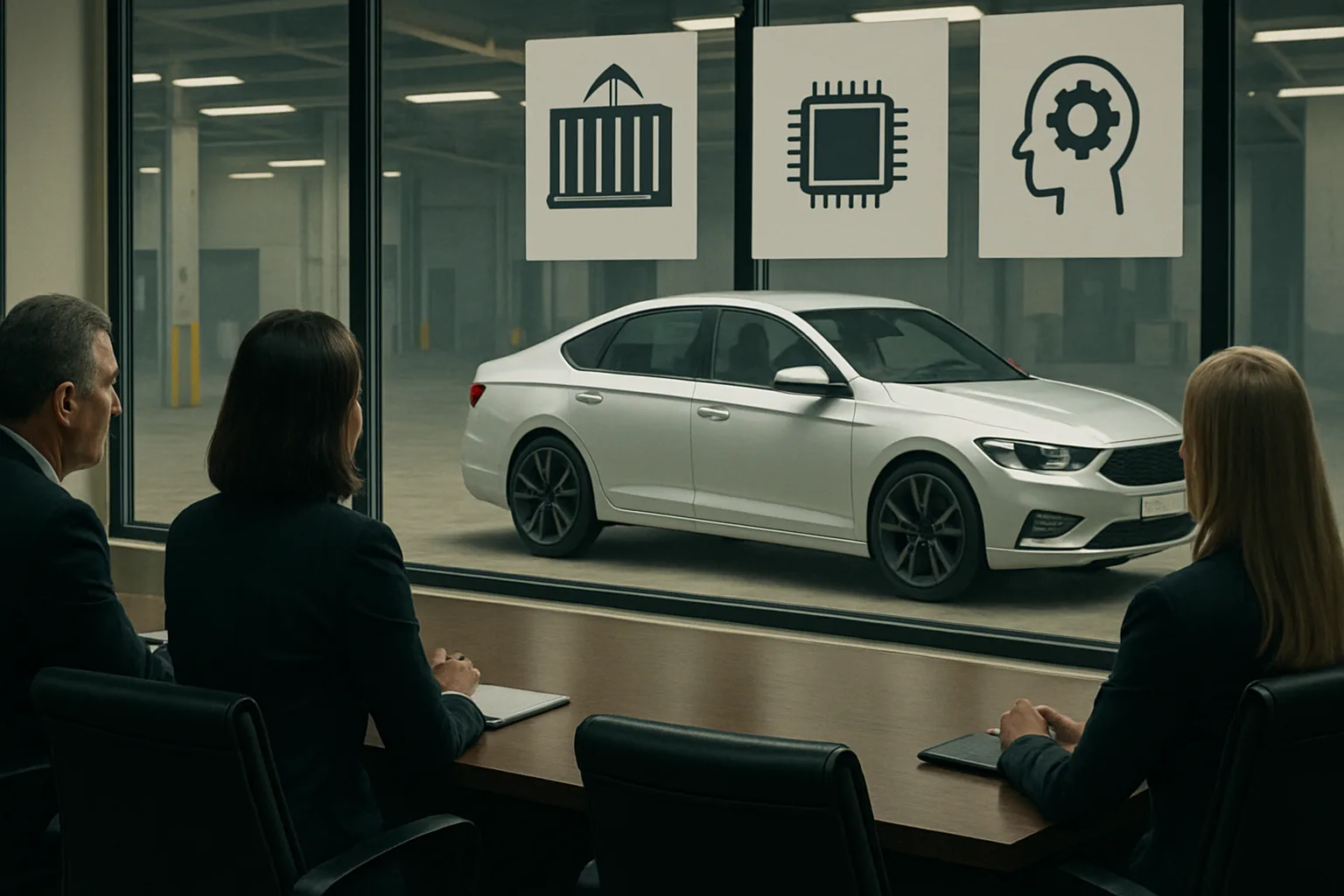
Consumer attitudes towards vehicle cybersecurity
The Kelley Blue Book report indicates that most consumers do not expect a permanent solution to car hacking in the near future. As vehicles become more connected, buyers are increasingly aware of the risks. Many surveyed said they would pay extra for security features, with $8 per month the average amount respondents were prepared to add for a hack-proof security app or subscription.
This willingness to spend reflects a growing demand for manufacturers to prioritise cybersecurity alongside traditional safety. While advanced infotainment, remote start and autonomous features attract buyers, they also widen the attack surface for hackers. Some consumers now see cyber protection as essential as airbags or ABS.
Which carmakers are seen as most at risk?
Kelley Blue Book’s survey also asked which brands consumers considered most susceptible to hacking. The top ten included Fiat Chrysler Automobiles, General Motors, Ford, Toyota, Daimler, Tesla, Hyundai, BMW, Honda and Nissan. The list reflects both the scale of connected vehicle fleets and recent high-profile vulnerabilities.
- Fiat Chrysler Automobiles
- General Motors
- Ford Motor Company
- Toyota Motor Corporation
- Daimler
- Tesla Motors
- Hyundai Motor Company
- BMW Group
- Honda Motor Company
- Nissan Motor Corporation
Industry response and next steps
Manufacturers have responded to recent incidents with recalls, over-the-air updates and increased investment in cybersecurity. Fiat Chrysler’s recall after the Jeep hack was one of the largest of its kind, while BMW and GM have both issued patches to address vulnerabilities. General Motors’ product development chief, Mark Reuss, has publicly stated that cybersecurity is now a major focus for the company.
Regulators and researchers are also stepping up efforts. The University of Warwick, for example, is developing a simulator to help test and prevent hacks in autonomous and connected vehicles. For more on that initiative, see Warwick University develops £2.1m simulator to combat car hacking.