Hamilton Intensifies Technical Study of McLaren Ahead of Mercedes Move
Lewis Hamilton has shown increased interest in McLaren's technical data as his final races with the team approach, with insiders noting his focus on exhaust systems and telemetry.
Lewis Hamilton’s final months at McLaren have seen the 2008 world champion take a deeper interest in the technical workings of his car, according to team sources. This shift comes as Hamilton prepares to leave McLaren for Mercedes at the end of the 2012 Formula One season, ending a long-standing association with the Woking-based team that began in his youth.
Hamilton’s Growing Technical Curiosity at McLaren
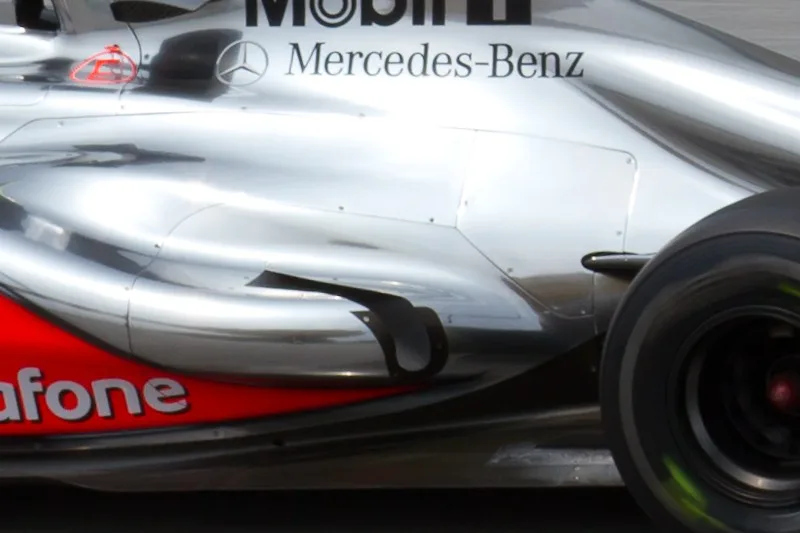
- Hamilton has focused on the exhaust system, a crucial area for car performance under recent technical regulations.
- He has paid close attention to telemetry data, which provides insights into both car and driver performance.
- McLaren insiders have described this as a 'newfound interest' since Hamilton's decision to leave was announced.
This increased curiosity comes at a sensitive time for McLaren, as the team continues to develop its car for the current championship while also preparing for the 2013 season. The timing has raised questions among observers about whether Hamilton’s knowledge of McLaren’s technical direction could benefit Mercedes once he joins the team next year.
Hamilton’s Knowledge of 2013 McLaren Plans
At the Japanese Grand Prix in Suzuka, Hamilton made clear to reporters that he is fully aware of McLaren’s plans for the 2013 car, which he will not race. Addressing Sergio Perez, his replacement at McLaren, Hamilton indicated that he knows exactly what is planned for the car next year. This public acknowledgment has added to the intrigue surrounding his upcoming move to Mercedes and the potential for technical cross-pollination between the teams.
Team Management's Response to Intellectual Property Concerns
Despite the speculation, McLaren’s team principal Martin Whitmarsh has downplayed any concerns about the risk of sensitive technical information being transferred. He suggested that if a rival team wanted to acquire intellectual property, engineers would be a more likely target than drivers. Whitmarsh also expressed confidence that Hamilton remains respectful of the team and its ongoing projects, suggesting that the risk to McLaren’s technical secrets is minimal.
| Aspect | Engineers | Drivers |
|---|---|---|
| Access to technical details | Extensive, including design and development | Limited to operational knowledge and feedback |
| Ability to transfer technical secrets | High | Low |
| Typical contractual restrictions | Strict NDAs and non-compete clauses | Confidentiality clauses |
| Risk level for team | Higher | Lower |
Contractual and Ethical Safeguards in F1
The transfer of technical knowledge between teams is governed by strict contractual and ethical boundaries in Formula One. Teams routinely update their designs, processes, and strategies, which means that any technical edge gained from a departing driver’s knowledge is often short-lived. Furthermore, drivers are typically bound by confidentiality clauses that prevent them from sharing sensitive information with new employers.
Hamilton’s contract with McLaren ends after the 2012 season, and he is set to make his Mercedes debut in 2013. While his technical understanding of McLaren’s current and future cars could theoretically offer Mercedes some insights, the reality is that the fast-paced development cycle in F1 quickly renders such information obsolete. Both McLaren and Mercedes will continue to refine their cars independently, focusing on their own engineering strengths and innovations.
Implications for McLaren and Mercedes
As Hamilton prepares for his final races with McLaren, the focus within the team remains on maximising results in the 2012 championship. McLaren’s management appears confident that the transition will not compromise its technical secrets or future competitiveness. For Mercedes, acquiring a driver of Hamilton’s calibre is expected to bolster their efforts to challenge at the front of the grid, but any advantage gained from his McLaren knowledge is likely to be limited by the rapid evolution of car technology in Formula One.
- McLaren continues to pursue strong results in the remaining 2012 races.
- Mercedes prepares to integrate Hamilton and benefit from his driving expertise.
- Both teams will rely on ongoing innovation rather than past technical knowledge.
Hamilton’s move marks the end of an era at McLaren, where he rose through the ranks from junior driver to world champion. His departure is one of the most high-profile driver transfers in recent F1 history, and both teams will be keen to demonstrate their ability to adapt and succeed in the seasons ahead.
Looking Ahead
With only a few races remaining in the 2012 season, attention will be on how Hamilton finishes his McLaren career and how both McLaren and Mercedes prepare for the challenges of 2013. The situation highlights the complex interplay between driver movements, technical development, and team dynamics that characterise modern Formula One.