Beijing’s Heaviest Rain in 60 Years Submerges Dozens of Cars and Buses
A torrential downpour in July 2012 left Beijing’s streets flooded, stranding vehicles and disrupting city transport as rainfall reached levels not seen since the 1950s.
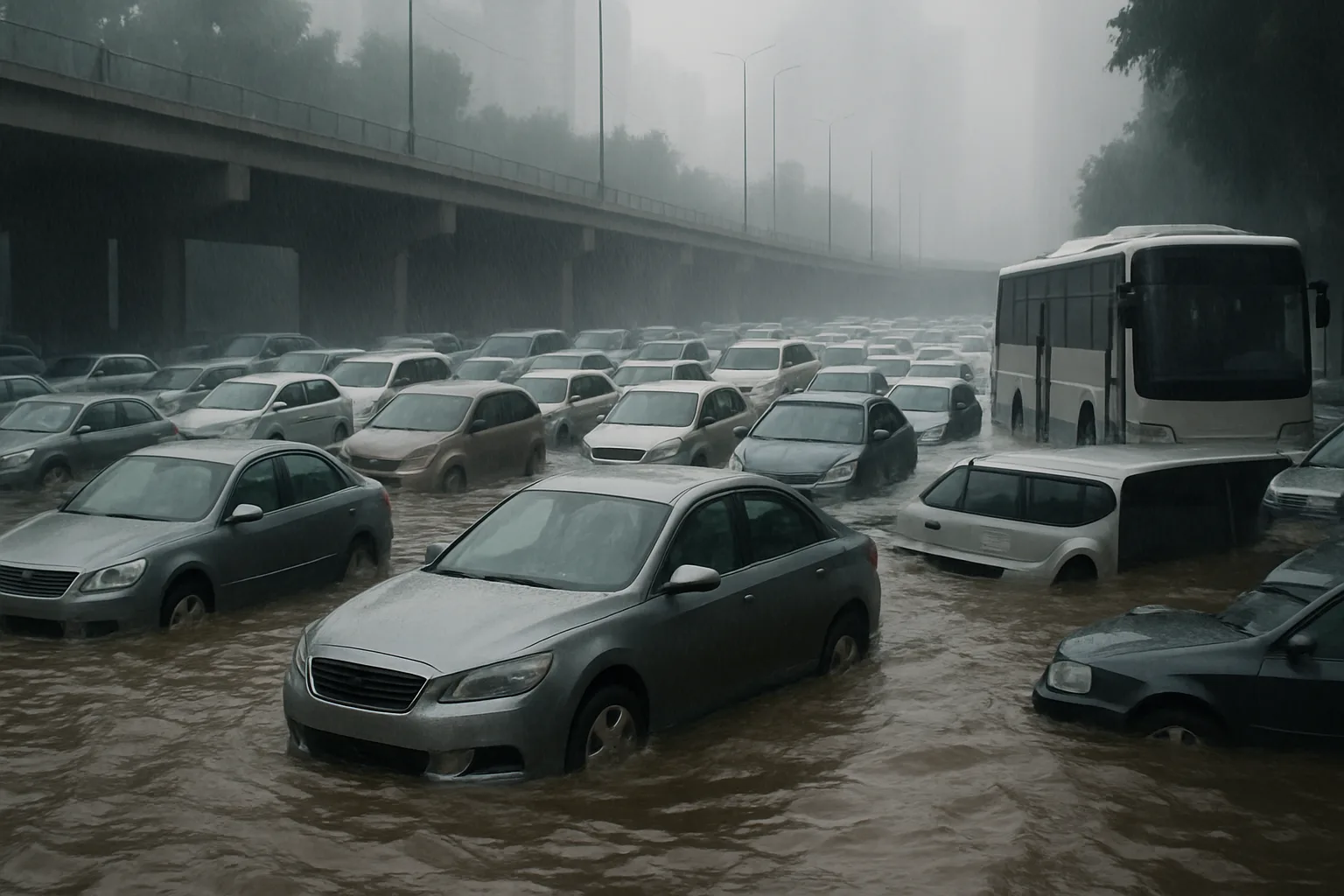
A severe rainstorm struck Beijing on 21 July 2012, flooding roads and leaving dozens of cars and buses submerged throughout the city. The deluge, which began in the early afternoon and continued into the night, marked the heaviest rainfall Beijing had seen in six decades. Streets rapidly filled with water, making many areas impassable and causing significant disruption to daily life.
Severe Rainstorm Submerges Vehicles Across Beijing
Timeline and Immediate Impact
Rainfall began around 1 p.m. on 21 July 2012 and lasted well into the night. The storm quickly overwhelmed Beijing’s drainage system, turning major intersections and underpasses into temporary lakes. Photographs from the scene captured private cars and public buses with water up to their windows or completely submerged, especially in low-lying areas and underpasses. Many drivers abandoned their vehicles as water levels rose rapidly, while others were stranded and required rescue by emergency services.
At least 38 fatalities were reported, including a police officer who was electrocuted by a fallen power line during a rescue operation. Other deaths resulted from traffic accidents and building collapses caused by the storm. The scale of the disaster was evident across the city, with emergency services stretched as they responded to incidents and worked to clear blocked roads.
Transport Disruptions and Stranded Passengers
The city’s transport infrastructure struggled to cope with the volume of water. While the subway system remained operational, it was swamped with commuters who were unable to use cars, buses or taxis due to the flooded streets. Major roads were impassable, leaving many vehicles stranded or submerged. Over 500 flights were cancelled at Beijing Capital International Airport, leaving around 80,000 passengers stranded and unable to travel. The airport was filled with frustrated travellers facing extended delays and uncertainty about when flights would resume.
Public transport users faced long delays, and the subway system, though largely unaffected by flooding, experienced severe overcrowding as people sought alternative ways to get home. The city’s taxi and bus services were brought to a standstill in many areas, further compounding the difficulties faced by residents and visitors alike.
Rainfall Totals and Affected Areas
According to city authorities, the average rainfall across Beijing reached 17 centimetres. Some areas, such as Fangshan district in the southwest, saw up to 46 centimetres. The National Meteorological Center forecast further heavy rain for the city’s eastern districts, with precipitation possibly reaching 100 millimetres in some parts. The scale of rainfall in Fangshan was particularly notable, recording the highest total in the city during the storm and contributing to some of the worst flooding experienced.
Consequences for Drivers and City Infrastructure
For Beijing’s drivers, the storm brought widespread disruption. Many cars and buses suffered water damage, and insurance claims were expected to rise sharply in the aftermath. Emergency services worked through the night to rescue stranded motorists, clear blocked roads, and manage the chaos caused by the floodwaters. The flooding highlighted the vulnerability of Beijing’s road network to extreme weather, especially in areas with limited drainage capacity.
In the days following the storm, city officials faced questions about urban planning and flood preparedness. The disaster exposed weaknesses in Beijing’s infrastructure, prompting calls for improvements to the drainage system and better emergency response planning. Residents and business owners in affected areas began the process of cleaning up and assessing the damage to property and vehicles. Many neighbourhoods experienced power outages, and some buildings suffered significant structural damage due to the force of the water and the weight of the rainfall.
Ongoing Weather Warnings and Future Preparedness
Forecasters warned that the rain could continue through Monday, raising concerns about further flooding and disruption. The National Meteorological Center advised residents in low-lying and vulnerable areas to remain alert and take precautions. The storm served as a stark reminder of the challenges posed by extreme weather events in rapidly growing cities like Beijing. As the city recovers, attention has turned to how future infrastructure projects and urban planning can help prevent similar disasters from having such a severe impact.
For more on how Beijing’s car market and infrastructure respond to such challenges, see Beijing to Limit New Car Sales at 240,000 Next Year.