Heidfeld Confirms 2010 Renault Talks Before 2011 F1 Return
Nick Heidfeld revealed he held discussions with Renault during the 2010 Formula One season, setting the stage for his eventual 2011 race seat after Robert Kubica’s accident.
Nick Heidfeld has revealed that he held discussions with Renault about a possible 2011 Formula One seat during the 2010 season. These talks took place months before he was eventually called up to replace Robert Kubica, who suffered a serious rally accident in early 2011. Heidfeld's comments provide insight into why Renault moved quickly to secure his services following Kubica's injury.
Heidfeld's Discussions with Renault in 2010
At the time, Heidfeld was still competing with Sauber, but his future in Formula One was uncertain. By the end of 2010, Sauber decided not to retain him, leaving the experienced German without a full-time drive for the following season. Despite this setback, Heidfeld maintained contact with key figures at Renault, discussing the possibility of joining the team if an opportunity arose.
Renault's 2011 Driver Line-up Decision
Renault ultimately chose to keep Vitaly Petrov for the 2011 season. The Russian driver's sponsorship backing played a significant role in this decision, which meant Heidfeld's move to the team was put on hold. Petrov's commercial appeal and the financial support he brought to the team were crucial factors in the competitive world of Formula One, where funding often influences driver selections.
Heidfeld's previous experience as Robert Kubica's teammate at BMW Sauber was well regarded, and his established reputation in the paddock kept him in consideration for future opportunities. Despite not securing a seat for the start of the 2011 season, Heidfeld continued to train and prepare for a potential return, demonstrating his determination to remain competitive at the highest level of motorsport.
Kubica's Accident and Heidfeld's Opportunity
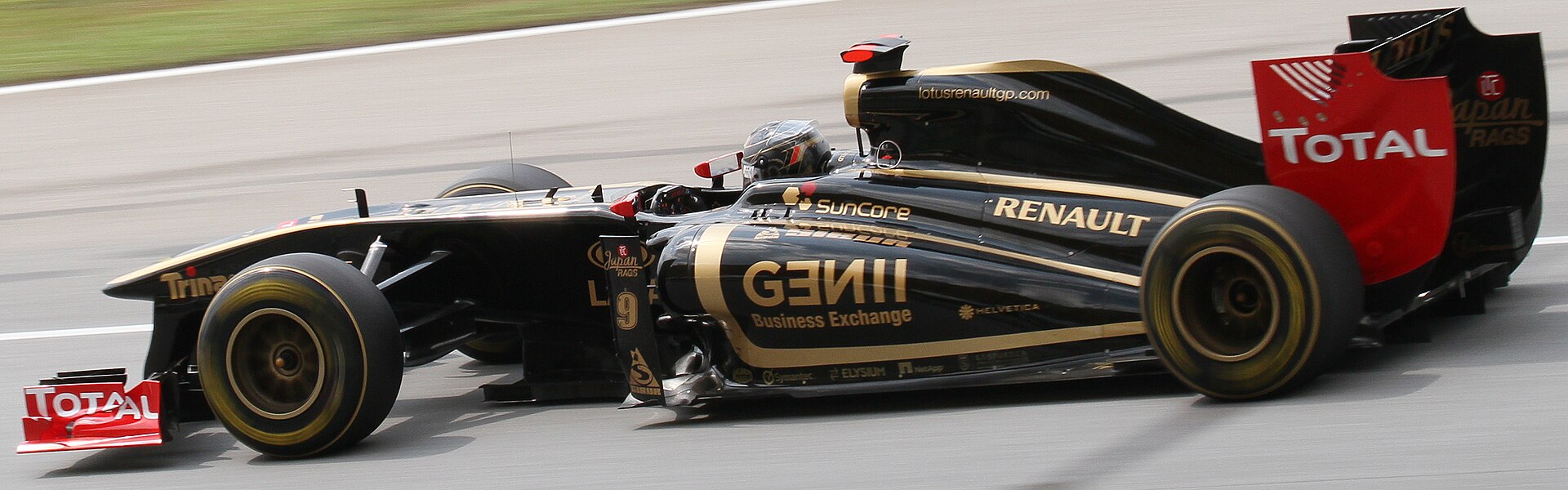
In February 2011, Robert Kubica suffered a severe rally crash, forcing Renault to search for a replacement just weeks before the season opener. Thanks to his earlier discussions with the team and his availability, Heidfeld was quickly invited to test the new Renault R31 at Jerez. During this test, Heidfeld set the fastest time among all drivers, reinforcing his suitability for the role and showcasing his readiness to step back into a race seat.
Renault confirmed Heidfeld as Kubica's stand-in shortly after the successful test. The decision was influenced not only by his pace at Jerez but also by his familiarity with the team and his technical feedback, which was considered valuable as Renault adapted to new technical regulations for the 2011 season.
Heidfeld's Reflections on His Career Moves
Heidfeld admitted that it felt strange to be replacing his former BMW teammate, Kubica. However, he emphasised that he had continued to train hard during the winter, believing that his Formula One career was not yet over. He expressed disappointment at not remaining with Sauber but remained confident in his abilities and his future prospects in the sport.
His performance in pre-season testing played a decisive role in securing the Renault seat. The team was developing the innovative R31, which featured a forward-facing exhaust system, and Heidfeld's experience was seen as an asset in helping Renault adapt to the new regulations and maintain competitiveness after Kubica's departure.
Impact on Renault and Heidfeld's Ambitions
Heidfeld's arrival at Renault came at a critical time for the team. The loss of Kubica, who was regarded as one of the fastest drivers on the grid, threatened to derail Renault's ambitions for the 2011 season. Heidfeld's technical expertise and consistent performances in previous years were expected to help the team remain competitive despite the sudden change in its driver line-up.
Heidfeld made it clear that his long-term goal remained to win a Formula One world championship. While stepping in as a replacement was not the way he had hoped to return to a full-time seat, he saw the opportunity with Renault as a chance to prove himself once again and to aim for his first Grand Prix victory. His determination and resilience were evident in his approach to the new challenge.
Summary of Heidfeld's Route to Renault
- Heidfeld discussed a potential 2011 seat with Renault during the 2010 season while still at Sauber.
- Renault chose to keep Vitaly Petrov for 2011, influenced by sponsorship considerations.
- After Kubica's rally accident, Renault needed an experienced replacement before the season began.
- Heidfeld was invited to test the R31 at Jerez and set the fastest time during the session.
- His prior relationship with the team and strong test performance led Renault to confirm him as Kubica's stand-in.
- Heidfeld's experience and technical feedback were valued as Renault adapted to new regulations.
Heidfeld's journey to the Renault seat in 2011 highlights how prior discussions, persistence, and readiness can create opportunities in Formula One, especially in the unpredictable context of motorsport. His swift appointment following Kubica's accident was the result of both his established reputation and the groundwork laid in earlier talks with the team.