GM Recalls Top 18 Million Vehicles in 2014 Amid Safety Crisis
General Motors issued nearly 30 recalls covering more than 18 million vehicles by late May 2014, as the ignition switch scandal drove a wave of safety actions across its brands.
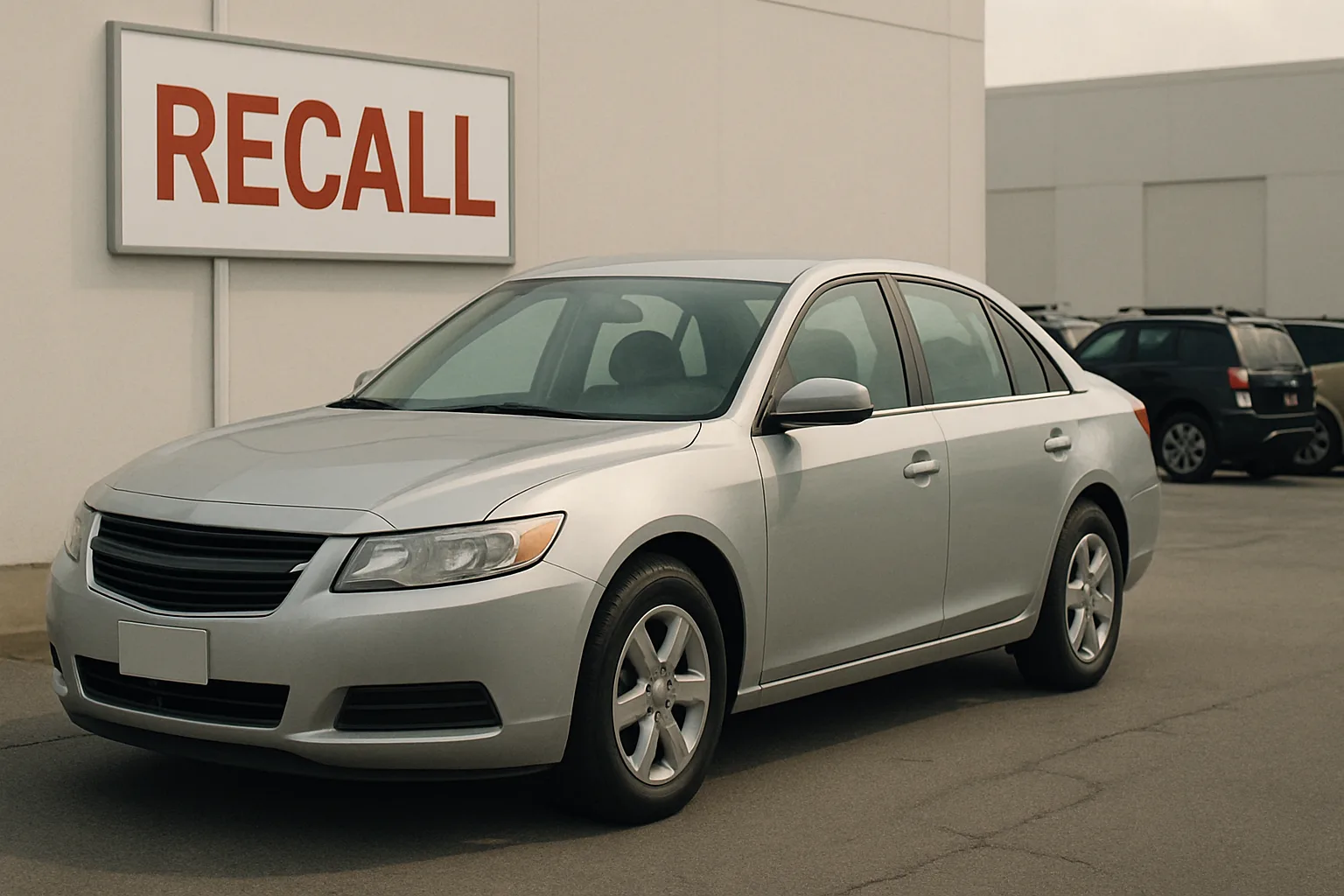
General Motors recalled more than 18 million vehicles in the first five months of 2014, as the company responded to mounting scrutiny over safety defects. By late May, GM had issued almost 30 separate recalls, covering a wide range of models and years across its Chevrolet, Buick, GMC, Cadillac, Pontiac and Saturn brands.
The surge followed the high-profile ignition switch defect, which prompted federal investigations and a wave of lawsuits. GM moved to address not only the ignition issue but also a host of other safety problems, some of which had been under review for years. The number of vehicles affected in 2014 alone surpassed the company’s total recalls from the previous five years combined.
Major recalls and affected models
The largest single recall involved more than 2.4 million vehicles for faulty brake lamps, affecting the 2004–2012 Chevrolet Malibu, 2005–2010 Pontiac G6 and 2007–2010 Saturn Aura. Another major action was the ignition switch recall, which started in February and eventually covered over 2.6 million vehicles, including the Chevrolet Cobalt, HHR, Pontiac G5, Solstice, Saturn Ion and Sky, as well as related Opel and Daewoo models.
Other notable recalls included 1.3 million vehicles for electric power steering faults, 1.3 million for front seat belt cable issues in crossovers such as the Chevrolet Traverse and GMC Acadia, and more than 1.1 million for airbag problems in Buick Enclave, Chevrolet Traverse, GMC Acadia and Saturn Outlook models.
Range of defects and scale of response
The scope of the recalls extended from minor issues, such as inaccurate fuel gauges and headlight failures, to critical safety risks including faulty airbags, brake vacuum boosters and steering components. Some actions involved just a few dozen vehicles, while others affected over a million at a time. The 2014 Chevrolet Silverado and GMC Sierra featured in several campaigns, with issues ranging from overheated exhaust parts to steering tie-rod defects and oil cooler fittings.
- Ignition switch failures (Cobalt, HHR, G5, Solstice, Ion, Sky, Opel GT, Daewoo G2X)
- Brake lamp malfunctions (Malibu, G6, Aura)
- Airbag and seat belt defects (Enclave, Traverse, Acadia, Outlook, Vibe)
- Electric power steering faults (Malibu, G6, Ion, Aura, Cobalt, HHR)
- Transmission and shift cable problems (Aura, Malibu, G6, Silverado, Sierra)
GM’s accelerated recall pace in 2014 was widely seen as an attempt to restore consumer trust and pre-empt further regulatory penalties. The company’s internal review uncovered safety concerns in both older models and current production vehicles. Several recalls overlapped, with some models called back multiple times for different defects.
Consequences for owners and industry
Owners faced repeated visits to dealerships for inspections and repairs, sometimes for overlapping defects. Dealers were under pressure to complete repairs quickly as parts supply struggled to keep up with demand. The wave of recalls also drew attention to safety practices across the US auto sector, with other manufacturers announcing their own actions in response to regulatory scrutiny. For more on the legal fallout from the ignition switch case, see Lawyers Compete for Lead Roles in GM Ignition Switch Litigation.
By the end of May 2014, General Motors had already set a new benchmark for recall volume, with the full impact on its reputation and future safety practices still unfolding.