Honda Expands Takata Airbag Recall After US Regulator Pressure
Honda has widened its Takata airbag recall in the US, adding more 2001–2006 vehicles from humid regions after NHTSA scrutiny and ongoing safety concerns.
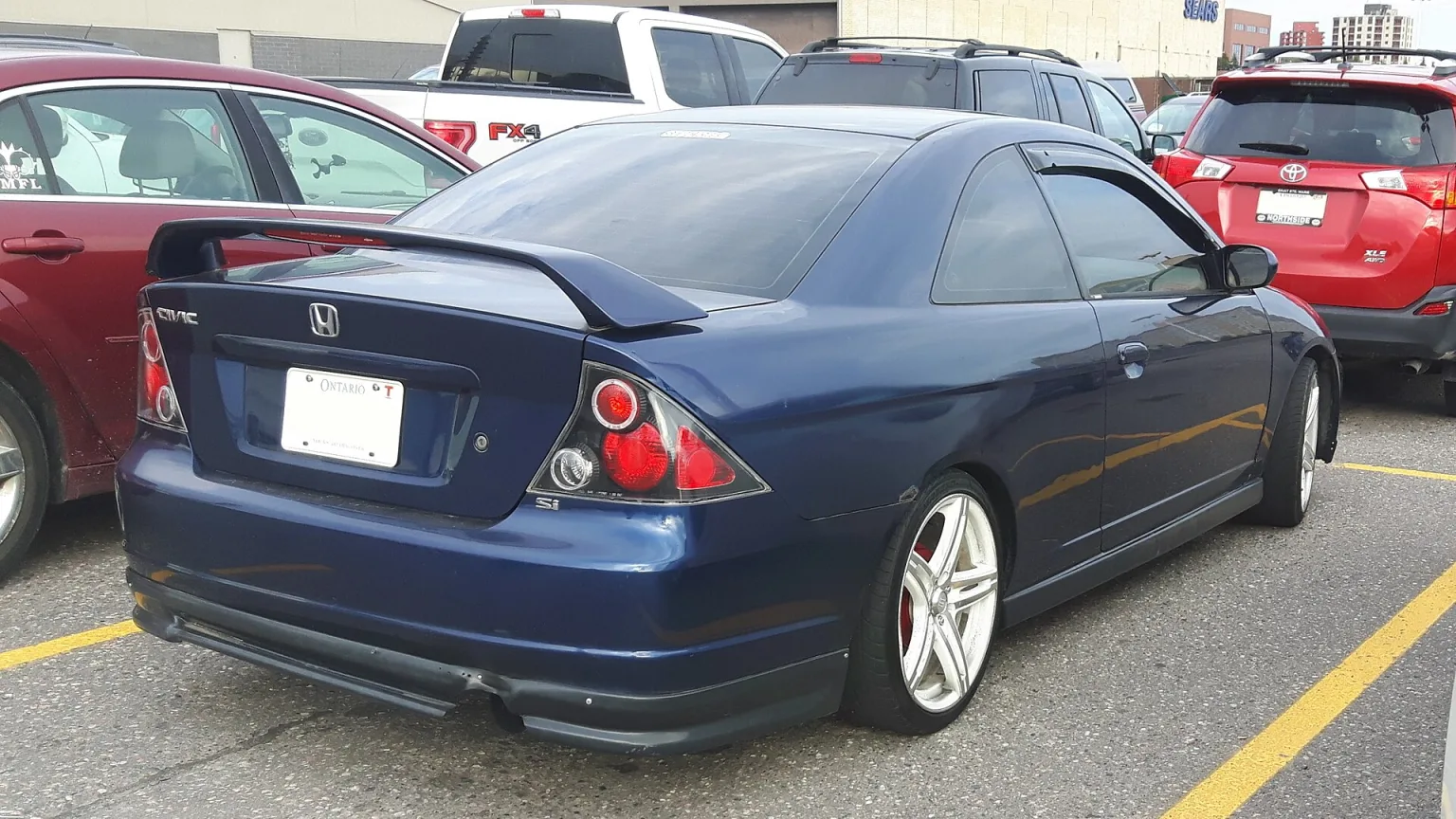
Honda has widened its recall of vehicles fitted with Takata airbags in the United States, adding an undisclosed number of cars from model years 2001 to 2006. The move follows increased scrutiny from the National Highway Traffic Safety Administration (NHTSA) into the automaker’s handling of airbag-related incidents and reporting procedures.
The expanded recall targets vehicles registered or sold in areas of the US with high humidity, which has been identified as a factor in the rapid deterioration of Takata airbag inflators. When the affected inflators fail, they can explode with excessive force, sending metal or plastic fragments into the cabin. This defect has been linked to multiple injuries and at least four deaths in Honda vehicles in the US by late 2014.
NHTSA Investigation and Honda’s Response
NHTSA’s investigation into Honda intensified after the company admitted it had not reported all incidents involving Takata airbags as required. The regulator ordered Honda to submit documents and answer questions under oath regarding its relationship with Takata and its internal safety procedures. Honda has since engaged a third-party auditor to examine its reporting processes.
Honda’s decision to expand the recall comes amid pressure from US safety authorities and growing public concern. The company is Takata’s largest customer and has been the focus of lawsuits related to the faulty airbags. By November 2014, nearly eight million vehicles from various automakers had been recalled in the US for Takata airbag issues, with Honda accounting for a substantial portion.
Focus on High-Humidity Regions
The recall prioritises vehicles in states and territories with consistently high humidity, such as Florida, Hawaii, Puerto Rico and parts of the Gulf Coast. Takata and safety experts have pointed to moisture as a key factor accelerating chemical degradation inside the inflator, increasing the risk of rupture over time. Owners in these areas are being urged to respond promptly to recall notices.
Impact on Owners and Industry
For owners, the recall means an extended wait for replacement parts, as demand for safe inflators outpaces supply. Dealers are expected to prioritise affected vehicles in the most at-risk regions. The ongoing Takata crisis has also prompted other manufacturers, including Mitsubishi and Toyota, to expand their own recalls. The industry-wide scope has put pressure on Takata’s production and led to broader scrutiny of supplier relationships and quality assurance processes.
- Mitsubishi Recall for Takata Airbag Problems
- Recall Toyota Recalls 300K Vehicles for Airbag Problems
- Honda expands Takata airbag recall by 780,000 cars in Japan
NHTSA’s investigation into Honda’s reporting practices and the technical failures of Takata inflators continues. Further recall expansions remained possible as more data emerged and regulators pressed for comprehensive action across the industry.