Honda tops US recall charts in 2011 with 3.9 million vehicles
Honda recalled more vehicles than any other carmaker in the US in 2011, with airbag defects driving a sharp rise in the company's recall tally.
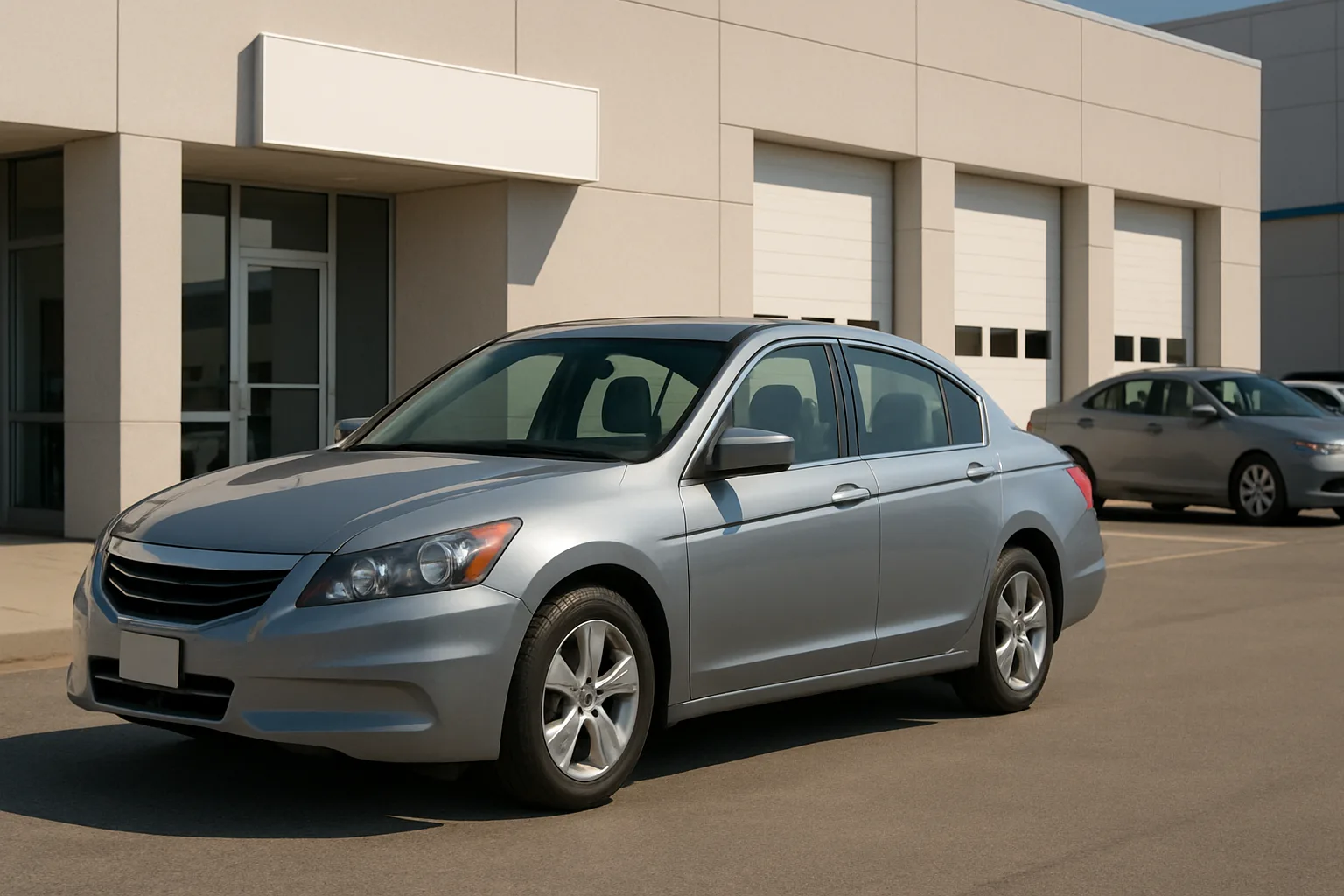
Honda Motor Company issued the highest number of vehicle recalls in the United States in 2011, with a total of 3.9 million vehicles affected. This figure marked a significant increase from the previous year, nearly doubling Honda's 2010 recall total of 2.4 million vehicles. The surge in recalls was largely attributed to persistent airbag defects that impacted a wide range of Honda models, including both saloons and SUVs.
Honda Leads US Recalls in 2011
Details of Honda's Recall Campaigns
Honda's recall activity in 2011 was dominated by ongoing airbag problems. In December alone, the company announced a recall of 876,000 vehicles in the US due to airbag defects. This was the fifth separate recall for the same airbag issue since 2008. By the end of 2011, Honda had recalled a total of 2.53 million vehicles in the US and 2.7 million globally for airbag-related concerns. The repeated nature of these recalls placed additional strain on both Honda owners and dealerships, as many customers received multiple notifications for repairs related to the same underlying fault.
The airbag recalls affected a variety of models, including some of Honda's best-selling vehicles. The scale and persistence of the defect prompted discussions about quality control processes within the company and highlighted the challenges automakers face in addressing widespread safety issues across multiple production years.
Industry-Wide Recall Trends in 2011
While Honda's recall numbers climbed, the overall number of vehicles recalled in the United States declined in 2011. US recalls fell to 15.5 million vehicles, the lowest annual total since 2008. This represented a significant drop from 2010, when 20.1 million vehicles were recalled. The number of recall campaigns also decreased, with 593 campaigns in 2011 compared to 648 in 2010. This suggests that while some manufacturers, like Honda and Ford, launched large-scale recalls, the industry as a whole saw fewer individual recall actions.
Toyota, which had dominated recall headlines in 2010 due to issues with sticky accelerator pedals and trapped floormats, saw its recall numbers drop sharply in 2011. The company recalled 3.5 million vehicles in 13 campaigns, about half its 2010 total. Ford also saw a substantial increase in vehicles recalled, issuing 13 campaigns affecting 3.3 million vehicles, up from 581,000 vehicles in 2010. The shift towards fewer but larger recall campaigns may reflect changes in how manufacturers and regulators approach safety-related defects, prioritising comprehensive actions over multiple smaller recalls.
Comparison of Major Automakers' Recalls
| Manufacturer | Vehicles Recalled (millions) | Number of Campaigns |
|---|---|---|
| Honda | 3.9 | N/A |
| Toyota | 3.5 | 13 |
| Ford | 3.3 | 13 |
Consequences for Honda and the Industry
Honda's high recall numbers in 2011 had several consequences for the company and its customers. Repeated airbag recalls led to frustration among vehicle owners, who often faced multiple repair appointments for the same issue. Dealerships were also impacted, as they had to manage large volumes of recall-related service work, sometimes straining resources and affecting customer satisfaction. The situation drew attention to Honda's quality control measures and prompted calls for improved oversight of parts suppliers and manufacturing processes.
For the wider industry, the decline in overall recall numbers in 2011 signalled some progress in addressing safety issues more efficiently. However, the large-scale recalls by Honda and Ford demonstrated that significant challenges remain, especially when defects affect millions of vehicles across multiple model years. Automakers and regulators continue to balance rapid response to safety concerns with the need to minimise disruption to consumers and maintain public trust in vehicle safety.
Looking Ahead: Ongoing Recall Challenges
The scale of Honda's recalls in 2011 underscored the importance of proactive quality control and transparent communication with customers. As vehicle technology becomes more complex and supply chains more global, automakers face increasing pressure to identify and address potential defects quickly. The experience of Honda, Toyota, and Ford in 2011 serves as a reminder that even established brands are not immune to large-scale safety issues. Ongoing vigilance, investment in quality assurance, and clear recall procedures remain critical for maintaining consumer confidence and meeting regulatory standards.