Honda to Recall 200,000 Cars Globally Over Engine Bolt Fault
Honda will recall around 200,000 Stream, Civic and Crossroad models worldwide to fix engine bolts that could cause engines to stall, following dozens of customer reports in Japan.
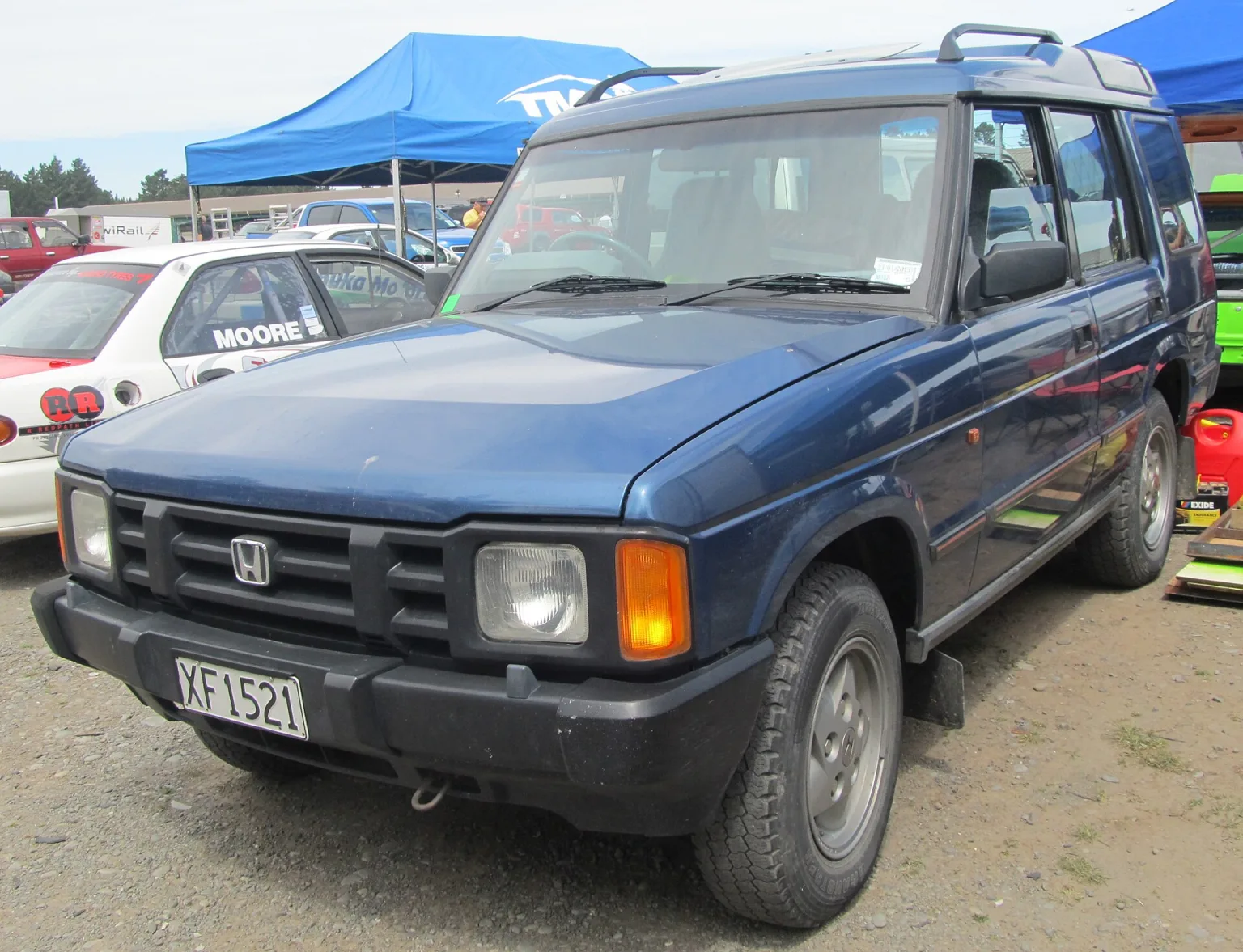
Honda has announced a global recall of approximately 200,000 passenger cars to address a defect involving engine bolts that could potentially cause engine stalling. The recall specifically targets the Stream, Civic and Crossroad models manufactured between July 2008 and July 2010. This action comes after Honda received 63 reports of engine malfunctions in Japan, all linked to the same issue. The company has clarified that, so far, there have been no accidents or injuries reported as a result of this defect.
Overview of the Honda Recall
The recall covers Japan, South America, Europe, the Middle East, and Africa. North America is not affected. More than 50,000 cars will be recalled in Japan, around 100,000 in South America, and about 7,000 in Europe. Additional numbers for the Middle East and Africa have not been specified by Honda.
Details of the Defect
The defect at the centre of the recall involves engine bolts that may interfere with the motor cooling system. If the problem is not addressed, it can lead to the engine stalling unexpectedly. Honda has stated that the issue was identified through customer feedback rather than through regulatory investigation or government-mandated testing. Despite dozens of reports in Japan, the defect has not resulted in any known accidents or injuries.
Regions and Models Affected
- Japan: Over 50,000 cars (Stream, Civic, Crossroad)
- South America: Around 100,000 cars
- Europe: About 7,000 cars
- Middle East and Africa: Numbers not specified
- North America: Not affected
The recall is global in scope, but the numbers vary by region. Notably, North American markets are not affected by this recall, as the affected models were not sold there during the production period in question.
Remedy for Affected Owners
Honda will contact owners of the affected vehicles directly to arrange for the necessary repairs. The company has committed to replacing the faulty engine bolts at no cost to the customer. This repair is intended to eliminate the risk of engine stalling caused by the defect. Owners of affected Honda Stream, Civic and Crossroad models produced between July 2008 and July 2010 should expect to receive notification from Honda regarding the recall. Repairs will be completed free of charge at authorised service centres.
How the Issue Was Discovered
Unlike some recalls that result from regulatory investigations, this particular issue was identified through feedback from customers experiencing engine problems. Honda received 63 reports in Japan that described engine malfunctions, which led the company to investigate and ultimately confirm the defect in the engine bolts. The company’s response based on customer input has allowed Honda to address the issue before any accidents or injuries occurred.
Comparison with Previous Honda Recalls
This recall is separate from previous large-scale Honda campaigns, such as those related to Takata airbag inflators. The current recall is limited to the specific engine bolt issue and does not affect other components or models. Honda’s earlier Takata recall involved a much larger number of vehicles and was related to a different type of safety concern. By contrast, the current recall is more narrowly focused and has not been associated with any accidents.
Industry Context and Honda’s Response
Vehicle recalls are not uncommon in the automotive industry, as manufacturers work to identify and correct defects that could compromise safety or reliability. Honda’s decision to initiate this recall based on customer reports, rather than waiting for regulatory intervention, reflects an effort to maintain customer trust and limit reputational damage. The company’s swift action may help reassure existing owners and demonstrate its commitment to addressing potential safety issues promptly.
Honda has a history of conducting recalls to address various defects, including the high-profile Takata airbag inflator issue. The current recall, however, is distinct and limited to the engine bolt defect in certain models produced between 2008 and 2010. This approach highlights the ongoing challenge for car manufacturers to maintain quality across global production lines and to respond quickly when issues are discovered.
What Should Owners Do Next?
Owners of affected vehicles should watch for official communication from Honda. Once notified, they should arrange for the recommended repairs at an authorised service centre. Completing the repair will ensure the continued safe operation of their vehicle and prevent potential engine stalling linked to the defect. By addressing the problem quickly and at no cost to owners, Honda aims to uphold its reputation for safety and customer care.