Hyundai and Kia Face Sales Pressure After Fuel Economy Scandal
Admissions of overstated fuel economy figures in over one million vehicles have hit Hyundai and Kia’s US reputation, with analysts forecasting immediate sales declines for key models.
Hyundai and Kia began November 2012 under pressure in the US market after admitting they had overstated fuel economy figures for more than one million vehicles sold across the US and Canada. The disclosure, which followed internal audits and regulatory scrutiny, directly affected some of the brands’ most popular models and led to sharp falls in share prices and a wave of negative publicity.
Immediate impact on sales forecasts
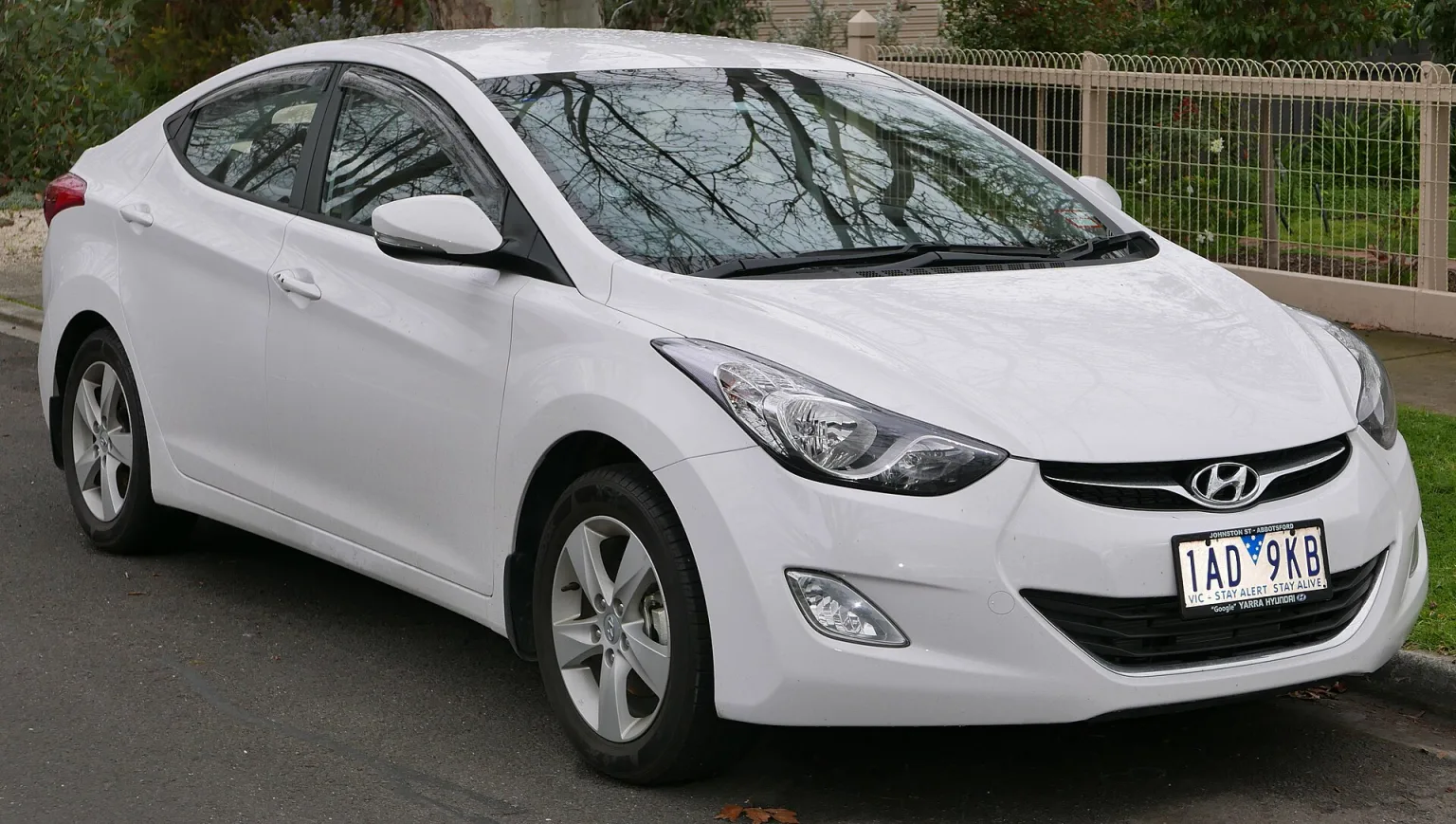
Analysts quickly revised sales expectations for Hyundai and Kia’s biggest US sellers. The Hyundai Elantra, a core compact in the company’s line-up, was forecast to see sales fall by 6.3% following the news, compared to a 6.7% increase just days before the admission. The Kia Soul, which was found to have its highway fuel economy overstated by as much as six miles per gallon, was expected to slip by 1.9 percentage points, dropping to 7.3% share from 9.2% previously. Other models named in the audit included the Hyundai Veloster and Accent, and the Kia Rio.
The scandal came at a time when Hyundai, in particular, had built its US marketing around the number of high-mileage models it offered. The brands’ aggressive advertising of 40-mpg vehicles had helped drive sales and win market share from Japanese and domestic rivals. The sudden reversal undermined those claims and left both companies facing scepticism from dealers and buyers.
Compensation and legal fallout
Hyundai and Kia moved rapidly to apologise and announced a compensation programme for affected owners. The companies pledged to reimburse drivers for the difference in fuel costs resulting from the incorrect mileage claims, but the scale of the issue left open the risk of further financial and reputational damage. Lawsuits began to emerge from US consumers seeking redress for what they saw as misleading advertising and lost resale value.
Broader effects on brand and market position
The timing of the scandal put Hyundai and Kia at risk of losing momentum in a US market that was otherwise rebounding strongly, with other manufacturers reporting record sales. The brands’ focus on fuel efficiency had been central to their growth strategy. With their credibility under scrutiny, both faced the challenge of regaining trust among buyers who had chosen them for low running costs and environmental credentials.
For more on Hyundai and Kia’s longer-term sales performance, seeHyundai and Kia Pass 50 Million Global Sales Mark.