Hyundai commits US$500m to hybrid SUV production in Alabama
Hyundai will invest US$500 million to build hybrid powertrains and vehicles, including the Tucson Hybrid and Santa Fe EREV, at its Montgomery, Alabama plant.
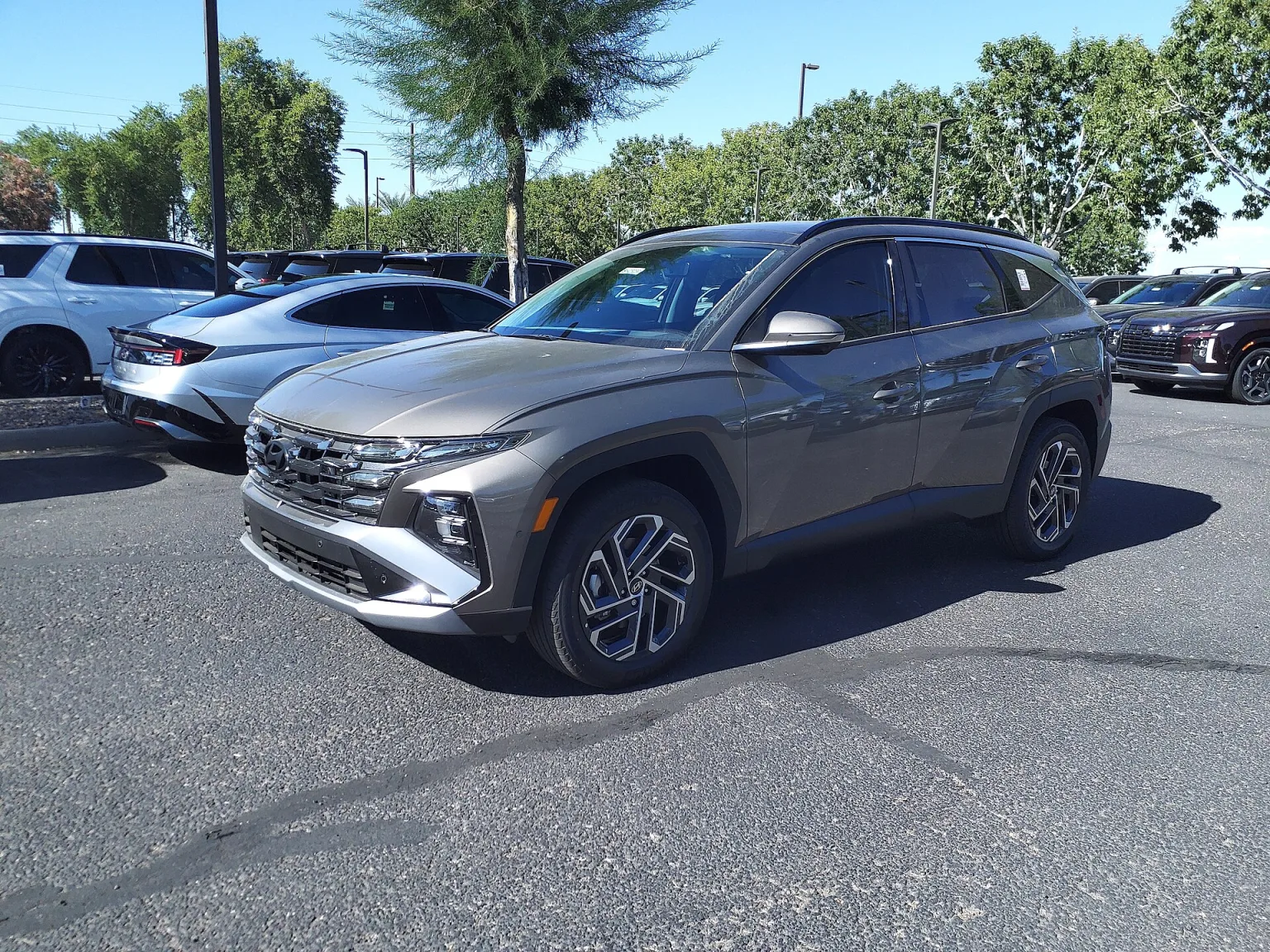
Hyundai has announced a US$500 million investment into its Montgomery, Alabama manufacturing facility, marking a significant shift in its North American strategy. This funding will enable the plant to begin producing hybrid powertrains and vehicles, specifically the all-new Tucson Hybrid and an extended-range electric (EREV) version of the Santa Fe SUV. The move transitions Hyundai from importing hybrid models to assembling them locally for the United States market.
Hyundai Commits US$500 Million to Alabama Hybrid Production
Expanding Local Assembly for Hybrids and EREVs
The Alabama facility, which previously built only internal combustion engine (ICE) versions of the Tucson, will now add hybrid capability for the first time. At present, all Tucson Hybrids sold in the US are imported from South Korea. Localising production is expected to reduce Hyundai’s exposure to US import tariffs and bolster its US manufacturing base. This is part of a wider industry trend, as automakers respond to policy shifts and changing consumer demand by investing in North American hybrid and electric vehicle (EV) production.
Tucson Hybrid and Santa Fe EREV: Details and Market Impact
The Tucson Hybrid, which features a 1.6-litre turbocharged engine delivering a combined 233 horsepower and a fuel economy of 42 miles per gallon, will be assembled in Alabama as a result of this investment. Hyundai clarified that the US market will not receive a plug-in hybrid (PHEV) version of the Tucson. Alongside the Tucson Hybrid, the extended-range electric (EREV) Santa Fe SUV will also roll off the Alabama production lines. The EREV variant is designed to offer greater electric-only driving range compared to standard hybrids, appealing to drivers seeking lower emissions without committing fully to a battery electric vehicle.
The Tucson is Hyundai’s best-selling SUV in the US, with 182,000 units sold in the first nine months of 2026. This strong performance highlights the importance of the model to Hyundai’s US portfolio and supports the case for local production. The addition of the Santa Fe EREV further broadens Hyundai’s electrified SUV offering for American consumers.
Rising Demand for Hybrids in the US
Hyundai reported a 3% rise in US sales to 697,464 units year-to-date, supported by the growing popularity of hybrid models as US fuel prices increase. The decision to invest in Alabama positions Hyundai to better meet demand for electrified SUVs and adapt to shifting consumer preferences. As more Americans look for fuel-efficient alternatives, hybrids and EREVs are expected to become increasingly important in the company’s product mix.
Strategic Shift in Supply Chain and Manufacturing
By moving hybrid production to Alabama, Hyundai aims to reduce its reliance on imports and mitigate the risks associated with tariffs and trade policy changes. The decision follows a broader trend among carmakers to localise hybrid and electric vehicle production in North America. Hyundai’s strategy mirrors similar moves by rivals such as Ford and Volkswagen, who have announced major investments in US and regional hybrid manufacturing.
For Hyundai, local assembly is not just about cost control. It also means faster response to market changes, greater flexibility in supply, and the ability to tailor products more closely to US consumer demands. As hybrid and electric vehicle sales grow, these factors are expected to become even more significant for manufacturers competing in the US market.
Summary of Hyundai’s Alabama Investment
- US$500 million investment to establish hybrid and EREV production lines
- Tucson Hybrid and Santa Fe EREV to be assembled in Alabama
- Current US Tucson Hybrid supply is fully imported from South Korea
- Tucson Hybrid will not be offered as a PHEV in the US
- Investment supports Hyundai’s US growth ambitions and aligns with rising demand for electrified SUVs
The Alabama plant’s expanded hybrid capability is expected to support Hyundai’s US growth ambitions as hybrid models gain traction. The move also provides a buffer against changing trade policies and import costs, while aligning Hyundai’s supply chain with rising American demand for electrified SUVs. As Hyundai and its competitors continue to invest in local production, the US market is likely to see a broader range of hybrid and electric vehicles produced domestically in the coming years.
Broader Implications for the US Automotive Industry
Hyundai’s investment is part of a larger pattern of global automakers increasing their manufacturing presence in the US. As the transition to electrified vehicles accelerates, local production is becoming a key strategy for managing costs, securing supply chains, and meeting both regulatory and consumer expectations. The Alabama plant’s new role in hybrid and EREV production highlights the growing importance of American manufacturing in the global automotive industry and signals further investments may be on the horizon as demand continues to shift towards electrified vehicles.