Hyundai plans in-house chip development for autonomous cars
Hyundai Motor is preparing to design its own computer chips for self-driving vehicles, aiming for greater control over critical autonomous technology components.
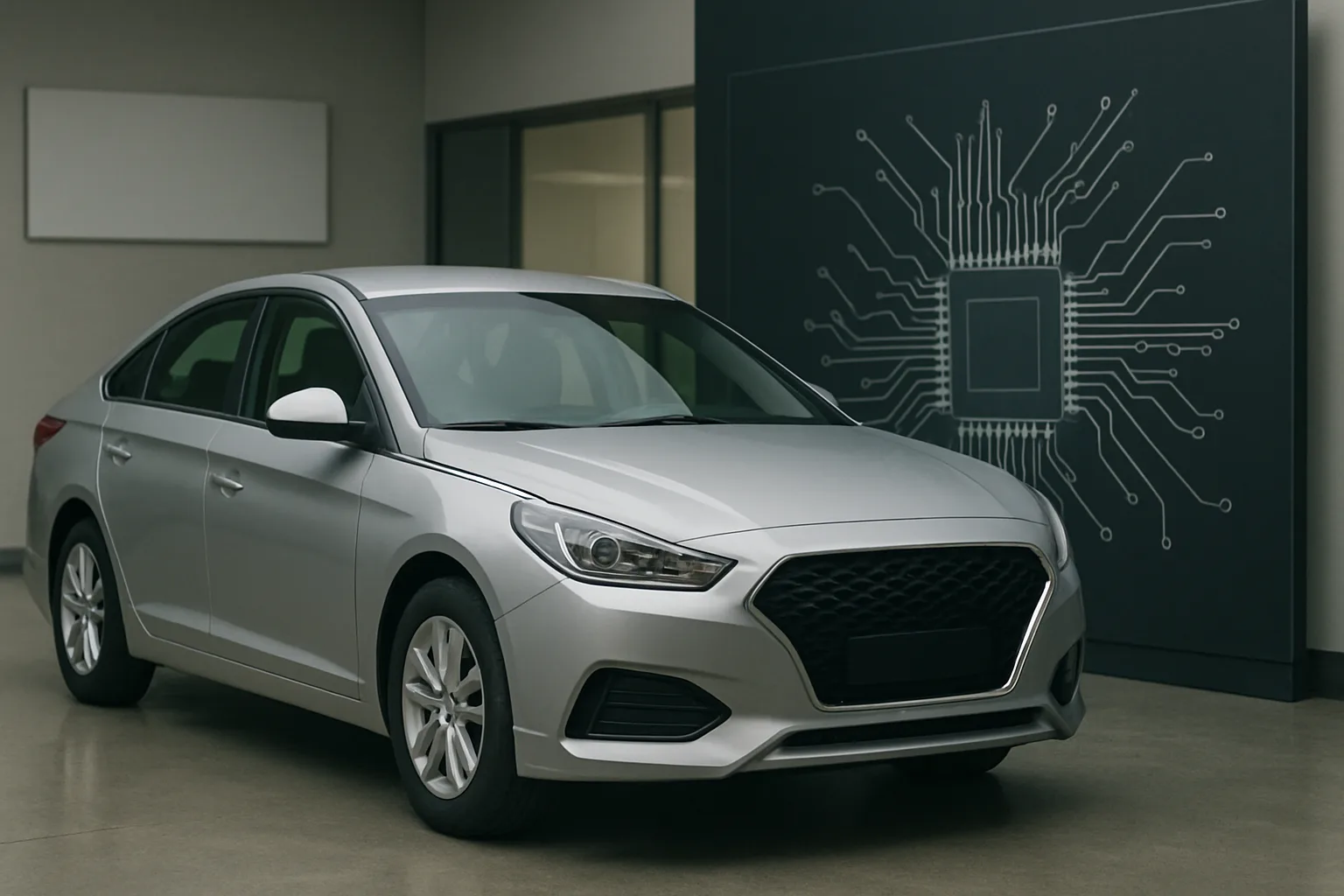
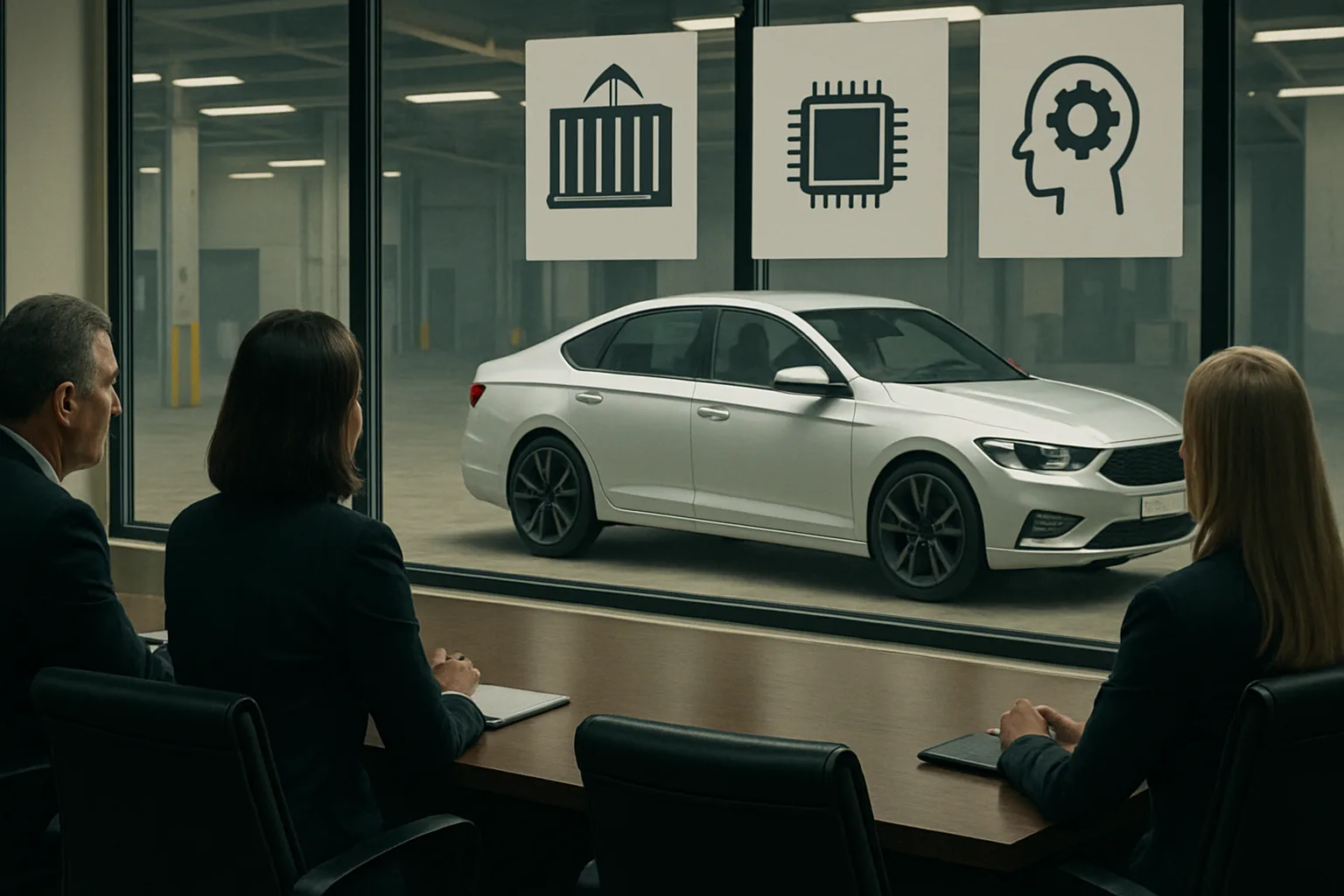
Hyundai Motor is moving to design and produce its own computer chips for autonomous vehicles, aiming to secure a tighter grip on the technology that will underpin future self-driving models. The company’s director of automotive control system development, Kim Dae Sung, confirmed the plan during a forum in Seoul, citing the need for fuller control over components critical to automated driving.
At present, Hyundai sources chips and sensors for its autonomous driving systems from affiliates and external suppliers. Hyundai Mobis, the group’s largest parts supplier, is understood to be a major provider, but the company is now seeking to bring more of this development in-house. The move reflects a wider industry trend, as carmakers look to reduce reliance on third-party suppliers for key electronic systems that define vehicle capability and competitiveness.
Focus on automation by 2030
Hyundai expects to have fully self-driving cars available by 2030, according to Kim. The company has already completed the development of technology enabling partial automation, and is currently working on systems for higher levels of automation. These efforts align with the global race among manufacturers to roll out increasingly sophisticated autonomous features, from lane-keeping and adaptive cruise control to collision avoidance using radar and camera-based sensors.
Hyundai Motor Group’s investment plan includes a $2 billion allocation to Kia’s research and development, supporting the creation of new advanced driver assistance systems (ADAS) and recruitment of additional engineers. This is part of a broader strategy to accelerate the introduction of next-generation automation features across the group’s brands.
Industry context and chip content growth
The value of semiconductor content in vehicles has risen steadily. Bloomberg Intelligence reported that the average car contained $333 worth of chips in 2014, up 11 percent over four years. As autonomous features become standard, the demand for powerful, specialised chips is expected to increase further, making in-house development an attractive option for carmakers seeking to differentiate their offerings and control costs.
Hyundai’s strategy mirrors moves by other global manufacturers to secure supply chains and protect intellectual property in a sector where software and electronics now define much of a car’s value. The company has not disclosed a timeline for when its own chips will reach production, but the shift signals a clear intent to play a larger role in the design and integration of autonomous driving hardware.