Mitsubishi i-MiEV: Production Electric Car Launches in Japan
Mitsubishi has unveiled the production i-MiEV, its compact electric car, with sales to Japanese corporate customers beginning in July 2009 and individual sales planned for 2010.
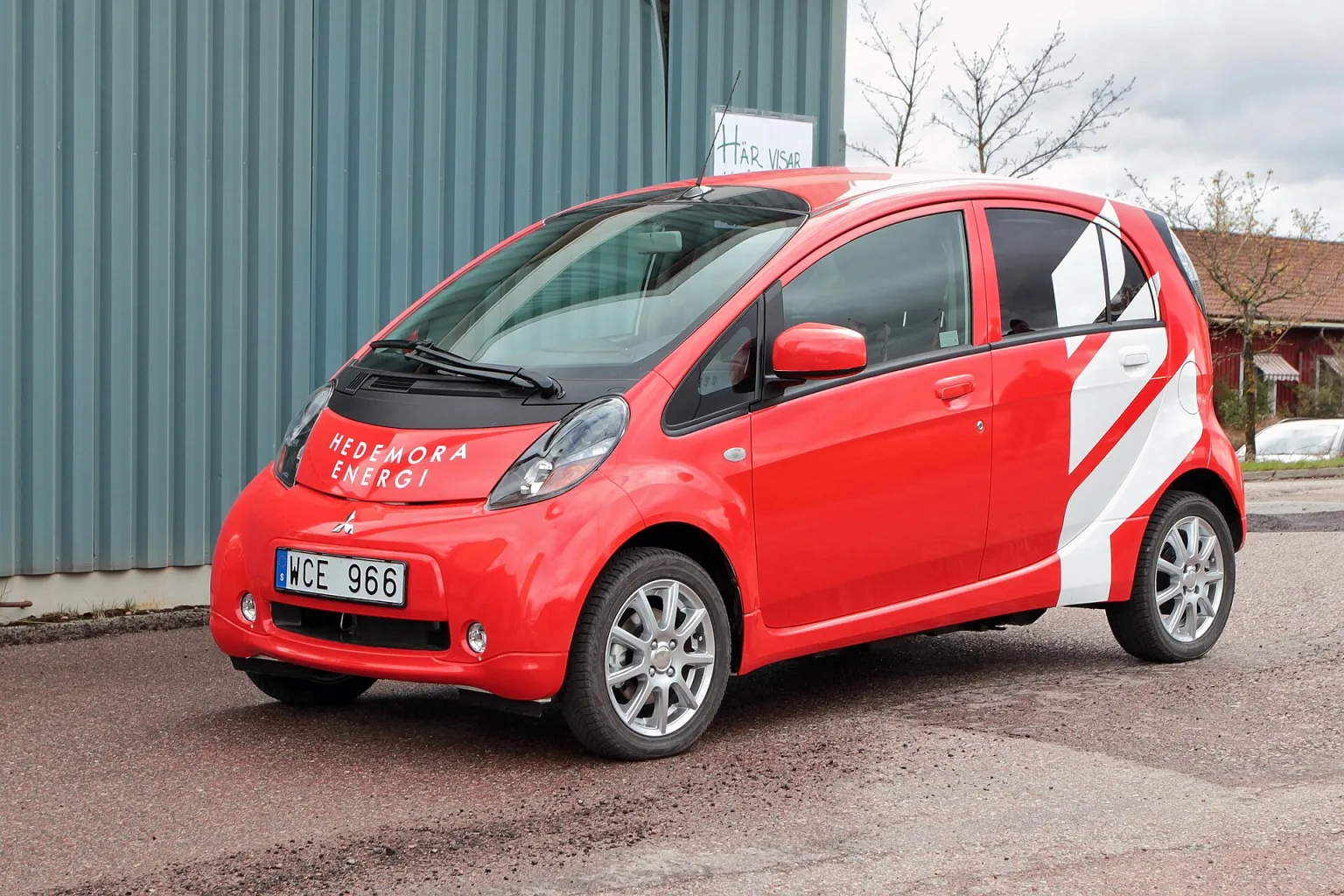
Mitsubishi Motors has revealed the production version of its i-MiEV electric car, confirming that sales will start in Japan at the end of July 2009. The company is initially targeting corporate fleets and local authorities, with wider availability for private buyers planned for April 2010. The i-MiEV is the result of four decades of Mitsubishi's electric vehicle development and is positioned as a practical city car with zero tailpipe emissions.
Design and technical details
The i-MiEV is based on Mitsubishi's "i" minicar, using its long wheelbase and rear-midship layout to house a large lithium-ion battery pack under the floor. This arrangement allows the car to retain the original's interior space for passengers and luggage, with the electric powertrain components installed beneath the luggage compartment. Mitsubishi says this gives the i-MiEV a driving range suitable for daily urban use, though the company did not specify the exact range figure at launch.
A new MiEV Operating System manages the car's electrical systems and battery performance. Mitsubishi claims the system draws on lessons from its long-running electric vehicle research to deliver reliability and efficiency. The i-MiEV is designed to be recharged from a standard domestic power outlet, making it accessible for city dwellers and fleet operators alike.
Market approach and future plans
Mitsubishi's initial focus is on maintenance lease agreements, where monthly payments cover taxes, insurance and some maintenance costs. This approach is intended to ease adoption among corporate and municipal users, who are seen as early adopters of electric vehicle technology. Orders for individual customers were scheduled to open in late July 2009, with deliveries expected to begin in April 2010.
The company is working with public and private partners in Japan and overseas to develop the necessary charging infrastructure. Mitsubishi sees the i-MiEV as a practical response to concerns about urban pollution, climate change and the long-term security of petroleum supplies. The car's launch marks one of the first mass-produced electric vehicles offered by a major manufacturer, positioning Mitsubishi ahead of rivals in the early EV market.
Comparison with other early electric cars
The i-MiEV's debut precedes similar efforts from other manufacturers, such as the Nissan Leaf and the Citroën C-Zero, the latter of which is based on the same platform and was later launched in Europe. Mitsubishi's decision to begin with fleet customers mirrors the strategy adopted by other early EV manufacturers, who sought to build confidence in battery technology and charging infrastructure before targeting individual buyers.
With its compact dimensions, practical range and early market entry, the i-MiEV set the template for urban electric cars in the years that followed. Its rollout also spurred further development of charging networks and encouraged other manufacturers to accelerate their own electric programmes.