Mercedes-Benz targets Audi with compact push in India
Mercedes-Benz aims to overtake Audi as India's top luxury car brand in 2015 by expanding its compact range, increasing local production and growing its dealer network.
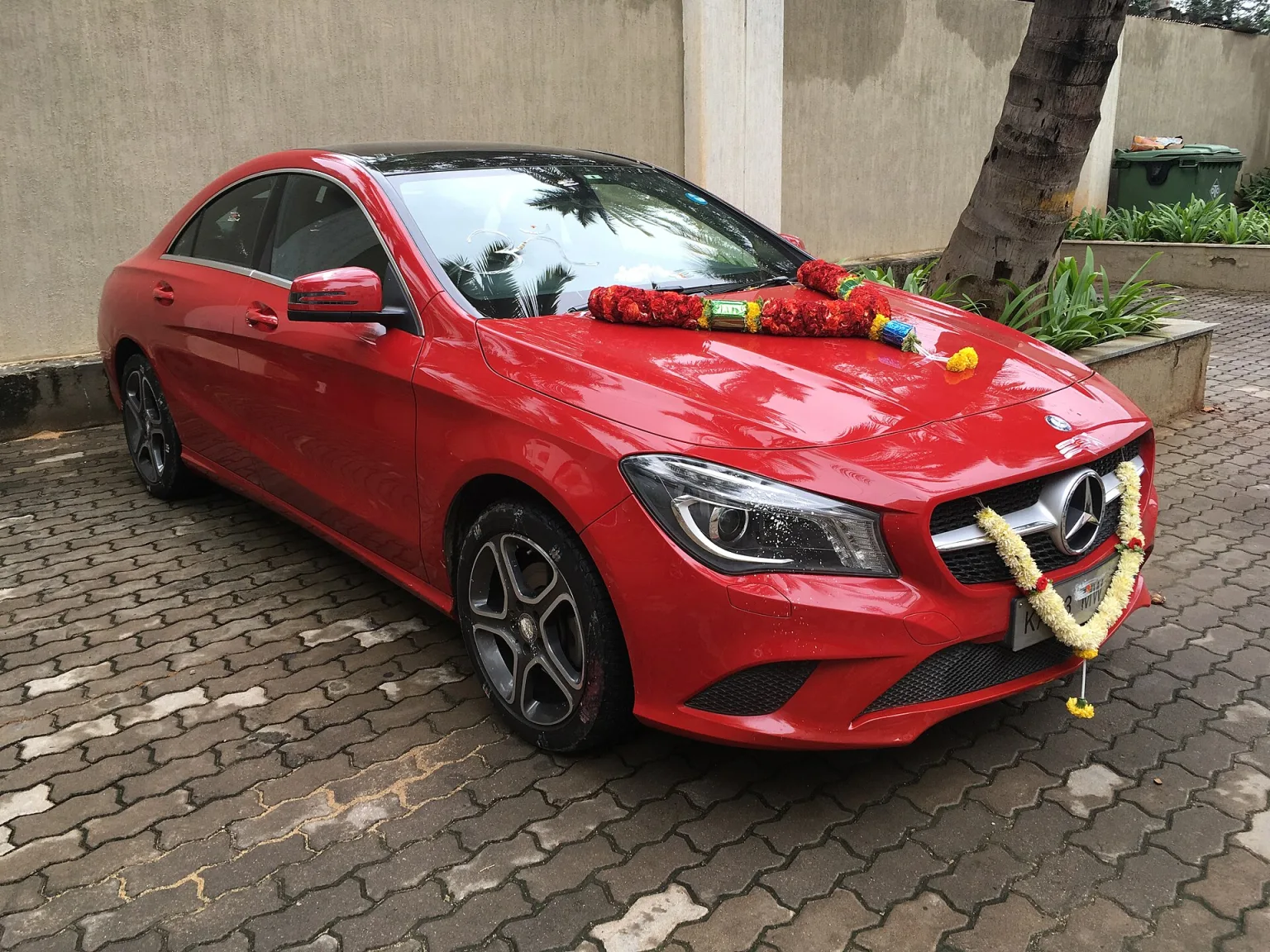
Mercedes-Benz is intensifying its efforts to become India’s leading luxury car manufacturer, aiming to surpass Audi’s sales lead by focusing on compact models, expanding local production, and widening its dealer network in 2015. In 2014, Mercedes-Benz delivered 10,201 vehicles in India, trailing Audi by just 650 units. Compact models made up a fifth of Mercedes-Benz’s Indian sales last year. The company has announced plans to launch 15 new models and open 15 dealerships in India in 2015. Local production capacity has doubled to 20,000 vehicles annually after a 10 billion rupee investment. Industry analysts expect compact cars to make up 50% of India’s premium market by 2022, highlighting the importance of this segment for luxury manufacturers.
Mercedes-Benz’s Ambition in India
Compact Cars at the Centre of Mercedes’ Strategy
Mercedes-Benz is placing its compact range, such as the B-Class, at the heart of its strategy to capture a larger share of India’s fast-growing luxury segment. The company expects to increase sales of its compact models by 50 percent in 2015, responding to rising demand from younger, first-time luxury buyers. Although margins on these entry-level vehicles are lower than on traditional flagships, compact models accounted for 20 percent of Mercedes’ Indian sales in 2014, helping the brand set a new local record for deliveries. Analysts from Emerging Markets Automotive Advisors forecast that compact cars’ share of the Indian premium market could double from 25 percent to 50 percent by 2022, making this a critical battleground for luxury manufacturers.
Mercedes-Benz’s approach reflects this shift in market dynamics, with the recent launch of the facelifted B-Class and plans to introduce a total of 15 models in 2015, the highest number in the company’s Indian history. The focus on compact cars is designed to appeal to a broader customer base, particularly in urban areas where demand for smaller, more affordable luxury vehicles is rising. The brand is also leveraging its global reputation for quality and innovation to attract buyers who may be entering the luxury segment for the first time.
Production and Dealer Network Expansion
To support its ambitions, Mercedes-Benz has doubled its local production capacity to 20,000 vehicles per year, following a 10 billion rupee (£105 million) investment programme. This expansion enables the company to meet growing demand and respond more quickly to market changes. The company will also expand its sales network by opening 15 new dealerships during 2015, aiming to reach more customers in emerging cities and regions where premium car sales are growing fastest. By increasing its presence across India, Mercedes-Benz hopes to make its vehicles more accessible to a wider audience and strengthen its position against competitors.
The combination of increased local manufacturing and a broader dealer footprint is central to Mercedes-Benz’s growth strategy. The brand’s efforts to localise production are expected to help control costs and offer competitive pricing, which is particularly important in the price-sensitive Indian market. Additionally, a more extensive dealership network allows for better after-sales service and customer engagement, both of which are crucial factors for luxury car buyers.
Audi’s Lead Under Pressure
Mercedes-Benz delivered 10,201 vehicles in India in 2014, trailing Audi by only 650 units. With compact models gaining traction and a broader product line-up, Mercedes-Benz is closing the gap on its Ingolstadt-based rival. The company’s managing director for India described operations as running at full speed, reflecting the urgency behind the push for leadership. If Mercedes-Benz’s growth targets for compact sales and network expansion are met, the brand could overtake Audi as India’s top luxury carmaker in 2015. The outcome will depend on execution and market response as premium buyers shift towards smaller, more accessible models.
Market Dynamics and Future Outlook
The Indian luxury car market is evolving rapidly, with more buyers seeking compact, affordable luxury vehicles. This shift is driven by changing consumer preferences, urbanisation, and increasing disposable income among younger professionals. Manufacturers are responding by introducing a wider range of models and investing in local production and distribution networks. Analysts believe that the next few years will be decisive for luxury car brands in India, as they compete for leadership in a market that is expected to double its share of compact premium cars by 2022.
Mercedes-Benz’s aggressive strategy, including significant investment in production and dealership expansion, positions it well to challenge Audi’s dominance. The success of this approach will depend on the brand’s ability to deliver on its ambitious targets and adapt to the preferences of Indian luxury car buyers. As the competition intensifies, the Indian market is set to become an increasingly important battleground for global luxury carmakers.
Conclusion
With a renewed focus on compact models, expanded local production, and a growing dealer network, Mercedes-Benz is making a strong bid to surpass Audi as India’s leading luxury car brand. The coming year will reveal whether these efforts are enough to secure the top spot in an increasingly competitive market.