Infiniti Previews ESQ, a Nissan Juke for the Chinese Market
Infiniti has released teasers of the ESQ, a compact crossover based on the Nissan Juke, with premium styling and features aimed at China.
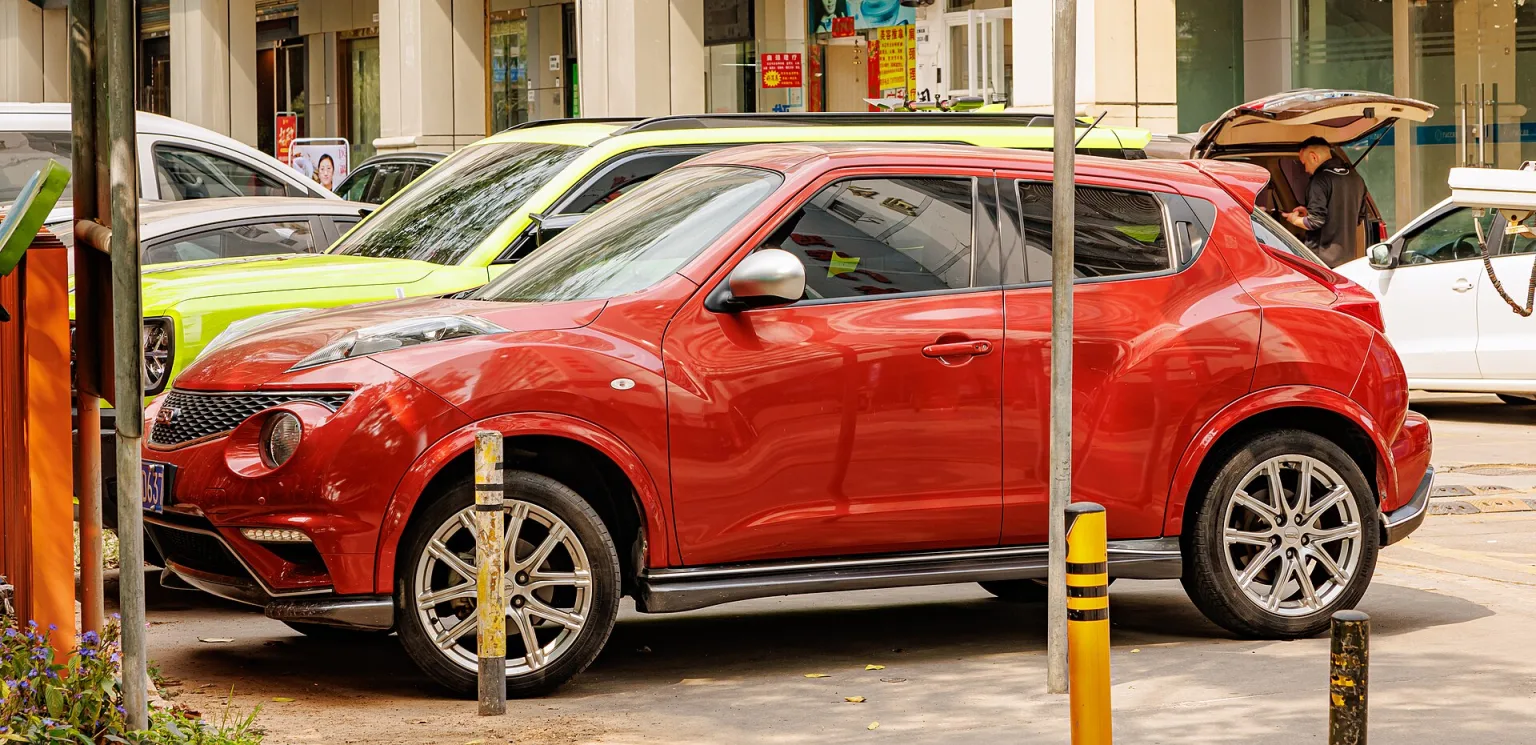
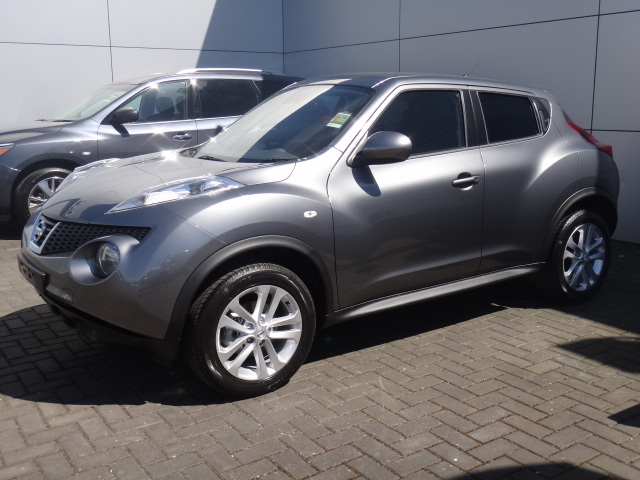
Infiniti, Nissan’s luxury division, has begun teasing the ESQ, a new compact crossover designed specifically for the Chinese market. This model is essentially a Nissan Juke at its core, but with significant upgrades in terms of styling and materials to align with Infiniti’s premium brand image. The ESQ marks Infiniti’s entry into the rapidly growing compact SUV segment in China, leveraging the popularity of crossovers among younger, urban buyers.
Infiniti ESQ: A Premium Take on the Nissan Juke for China
Design and Features: Distinguishing the ESQ from the Juke
The Infiniti ESQ sets itself apart from the standard Nissan Juke through a number of exterior and interior enhancements. The most noticeable change is the redesigned front grille, which adopts Infiniti’s signature look. The car also features new exterior accents and rides on distinctive 18-inch alloy wheels, adding a sense of sportiness and luxury. These visual changes are complemented by subtle updates to the cabin, where premium materials and trim are used to elevate the feel of the interior. The steering wheel is now Infiniti-branded, further reinforcing the car’s upmarket aspirations.

Despite these changes, the ESQ remains fundamentally a Nissan Juke beneath the surface. The platform, dimensions, and much of the core structure are carried over, ensuring that the ESQ retains the Juke’s compact proportions and driving dynamics. This approach allows Infiniti to offer a luxury crossover without the need for a ground-up development, keeping costs and time to market in check.
Engine and Drivetrain
Under the bonnet, the ESQ is expected to use the same 1.6-litre turbocharged petrol engine found in the Nissan Juke. This engine delivers 197 horsepower, providing brisk performance for a vehicle of its size. The powertrain is paired with a continuously variable transmission (CVT) and all-wheel drive, mirroring the more powerful variants of the Juke. At this stage, there is no information about additional engine options or alternative powertrains for the ESQ, suggesting it will remain closely aligned with the Juke’s mechanical setup.
Market Position and Strategy
Infiniti’s decision to introduce the ESQ in China reflects the country’s increasing appetite for premium compact SUVs. The segment has seen significant growth, driven by younger buyers looking for vehicles that combine urban practicality with a touch of luxury. By repurposing the Nissan Juke platform and adding Infiniti’s design and branding, the company hopes to attract customers who might otherwise overlook the standard Juke in favour of more prestigious badges.
Currently, the ESQ is confirmed only for the Chinese market. There is no official word on whether Infiniti will expand its availability to other regions, including Europe. However, the use of platform sharing and badge engineering for specific markets is a common strategy among global carmakers, especially when aiming to quickly respond to local trends and preferences. Infiniti’s move with the ESQ is consistent with this approach, allowing the brand to test the waters in China’s luxury crossover segment without significant investment in a bespoke model.
Platform Sharing: The Business Case
The ESQ is a clear example of platform sharing, where a manufacturer uses an existing vehicle’s architecture as the basis for a new, differently branded model. For Infiniti, this means taking advantage of Nissan’s engineering and manufacturing resources while offering a product tailored to the tastes of Chinese consumers. The ESQ’s modifications are primarily cosmetic and feature-based, but they aim to provide a distinct enough experience to justify its positioning as a luxury offering.
This strategy allows Infiniti to enter a competitive segment with reduced development costs and a shorter time frame compared to developing an entirely new vehicle. It also enables the brand to respond quickly to changes in consumer demand, particularly in fast-moving markets like China.
Pros and Cons of the Infiniti ESQ Approach
What works
- Premium features and design appeal to luxury-minded buyers
- Leverages proven Nissan Juke platform and drivetrain
- Faster time to market due to platform sharing
- Targets a fast-growing segment in China
What does not
- Fundamentally similar to the Nissan Juke beneath the surface
- No confirmation of availability outside China
- Limited differentiation in mechanical aspects
Looking Ahead
Further details about the Infiniti ESQ, including pricing, market launch dates, and potential trim levels, are expected to be announced as the model’s official debut approaches. For now, the ESQ serves as an example of how luxury brands can adapt existing vehicles to meet the specific demands of new markets, using a blend of design and branding to create a distinct product from familiar foundations.
Whether the ESQ will remain exclusive to China or eventually appear in other markets remains to be seen. Its introduction highlights the ongoing trend of platform sharing and badge engineering in the automotive industry, especially as brands seek to expand their global reach efficiently.