Fiat and Chrysler Face Headquarters Dilemma After Merger
With Fiat’s takeover of Chrysler nearly finalised in early 2014, the combined group’s choice of headquarters location remained unresolved, raising questions about future identity and strategy.
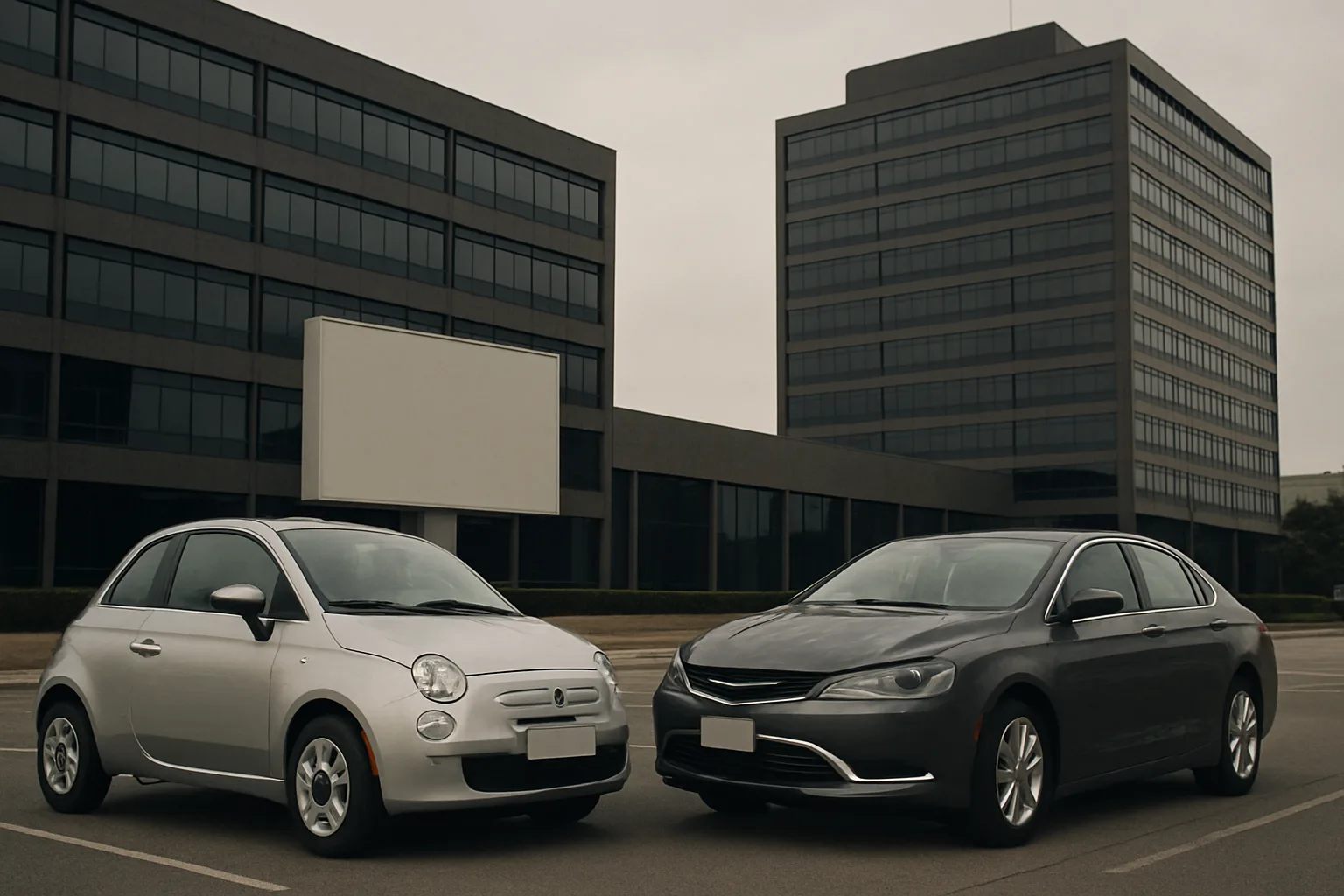
As Fiat moved to complete its full takeover of Chrysler in early 2014, the combined company’s future headquarters remained an open question. The decision was not merely symbolic: it would shape tax, regulatory and strategic realities for the newly merged group.
Detroit, Turin or London?
Fiat, with its deep Italian roots and historic base in Turin, faced pressure to maintain its national identity. Chrysler, meanwhile, brought its own Detroit heritage and operational base in Auburn Hills, Michigan. Sergio Marchionne, chief executive of both companies, was reported to favour Detroit for the new headquarters, but the matter was not settled by the time the merger was due to be finalised.
Executives indicated that the headquarters staff would be relatively small, possibly only a few dozen people. Chrysler House in Detroit was identified as a potential home for this team, while the main operational centres for both Chrysler and Fiat would remain in Auburn Hills and Turin respectively. The integration was expected to bring closer cooperation in areas such as purchasing, research and development, and strategic planning.
Tax Strategy and Precedent
The question of headquarters location was sharpened when Fiat Industrial, a separate entity from Fiat’s automotive division, merged its Dutch and Italian subsidiaries and shifted its legal base to London. This move was designed to take advantage of the UK’s tax environment, and some industry observers saw it as a possible prelude to a similar shift for the automotive group.
Fiat officials at the time stated that relocating the automotive headquarters was not on the agenda, but they did not rule out future changes. The possibility of a legal or fiscal base in the UK, with operational centres remaining in the US and Italy, remained open. This would mirror a growing trend among multinational manufacturers seeking tax efficiency and regulatory flexibility.
Implications for Staff and Operations
For workers in both countries, the immediate impact was limited. The main operational sites in Michigan and Turin were expected to continue as before, with only a small group affected by any headquarters move. However, the integration of Chrysler and Fiat was expected to bring more personnel exchanges and closer coordination, especially in purchasing and product development.
The merger set the stage for broader changes in the group’s strategy and structure. By uniting their finances and management, Fiat and Chrysler aimed to compete more effectively on a global scale. Where the new entity would ultimately call home, however, was still undecided as of early 2014.
What Happened Next
In January 2014, the new group’s headquarters location was unresolved. Later developments saw the creation of Fiat Chrysler Automobiles (FCA), with a legal base in the Netherlands and tax domicile in the UK, while operational headquarters remained in Auburn Hills and Turin. The move followed the pattern set by Fiat Industrial, confirming that the merger’s legal and tax structure was as complex as its operational integration.