Chevrolet Confirms Bolt Name for Production Electric Car
General Motors will keep the Bolt name for its new Chevrolet electric vehicle, despite concerns over confusion with the Volt, as the car heads for production in 2017.
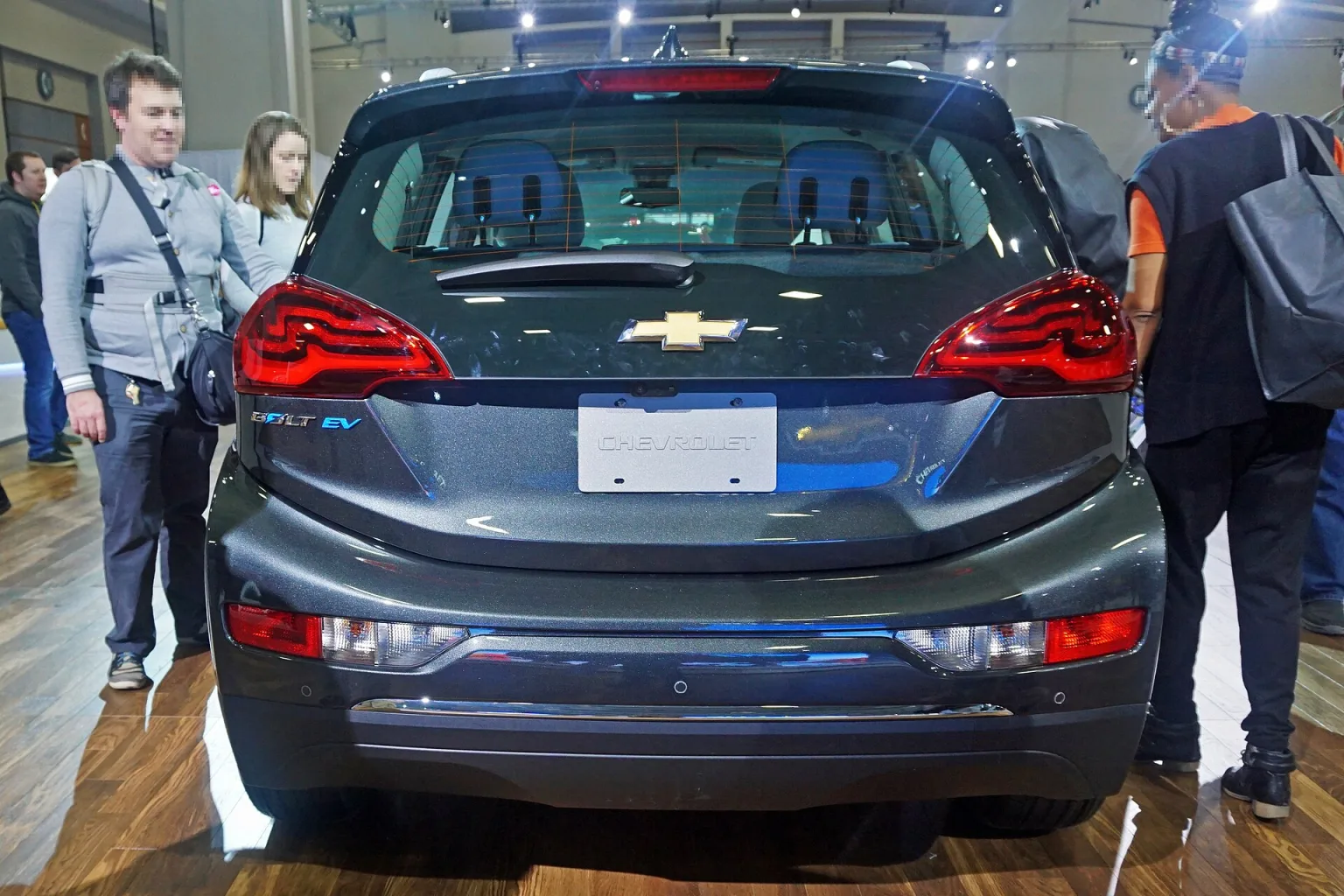
General Motors has decided to retain the Bolt name for its upcoming Chevrolet electric car, ending months of speculation about whether the badge would survive to production. The announcement comes after the Bolt concept’s debut at the 2015 Detroit auto show and amid concerns that the name’s similarity to Chevrolet’s existing Volt plug-in hybrid could cause confusion in showrooms.
Chevrolet’s decision followed internal debate and feedback from media, dealers and potential customers. Alan Batey, GM North America president at the time, acknowledged that some found the Bolt and Volt names too similar, leading to jokes and confusion. Even so, the Bolt name had already gained recognition and generated discussion, which GM saw as valuable for a new entry into the affordable long-range electric segment.
Why Chevrolet Chose to Keep the Bolt Name
The Bolt badge was initially introduced with the concept car in January 2015. GM’s marketing team weighed the risk that customers might mix up the all-electric Bolt with the Volt range-extender hybrid, especially as both models would be sold alongside each other. Despite these concerns, GM concluded that the Bolt name had already built momentum, and changing it could dilute the impact of the launch.
The company also pointed out that the Bolt’s design and positioning made it distinct from the Volt. The Bolt would offer a fully electric drivetrain and a targeted range of around 200 miles per charge, compared to the Volt’s plug-in hybrid system. Chevrolet aimed the Bolt at buyers looking for an affordable, practical electric vehicle with a range previously only seen in much more expensive cars.
Production Plans and Market Position
GM confirmed that the production Bolt would be built at the Orion Assembly plant in Michigan, a facility previously underused. The company targeted a price point of about $30,000 after incentives, directly challenging the Nissan Leaf and Tesla’s planned Model 3. The Bolt’s 200-mile range was seen as a breakthrough in making electric vehicles accessible to mainstream buyers, rather than just early adopters or those willing to pay a premium.
The Bolt’s arrival marked Chevrolet’s push to expand its electric vehicle range beyond the Volt, with the aim of capturing buyers seeking a fully electric option. For more on how the Bolt was positioned for car-sharing and ride-hailing services, seeChevrolet Bolt Car-Sharing Opens Ride-Share Work to More Drivers.
What the Name Decision Means for Chevrolet
By confirming the Bolt name, Chevrolet signalled its intent to build on the recognition established by the concept and its marketing campaign. The decision also clarified the showroom line-up for dealers and buyers, even as some risk of confusion with the Volt remained. Both models would be sold concurrently, but GM was confident their different drivetrains and target buyers would keep them distinct in practice.
Chevrolet’s move to keep the Bolt name set the stage for its entry into the affordable long-range EV market, with production and sales beginning in 2017.