Japan restricts public road tests for fully self-driving cars
Japanese authorities have barred fully autonomous vehicles from public road tests unless a driver and manual controls are present, responding to safety concerns and regulatory gaps.
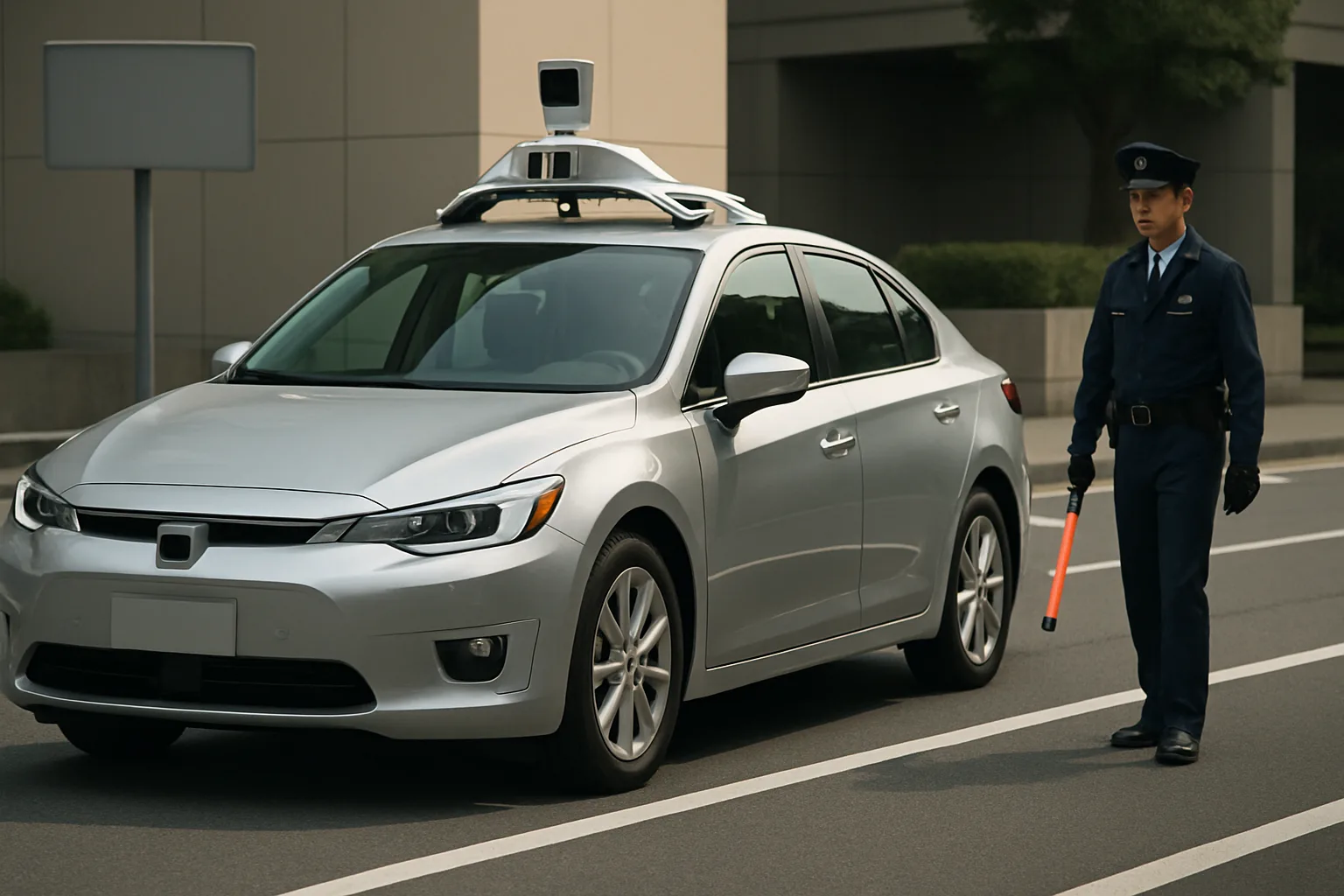
Japanese regulators have prohibited fully self-driving cars from being tested on public roads unless the vehicles are equipped with manual controls and a human driver is present behind the wheel. The decision, issued by the National Police Agency, was prompted by ongoing safety concerns and uncertainty over who would be legally responsible in the event of an incident.
Japan's New Restrictions on Autonomous Vehicle Testing
Requirements for Self-Driving Vehicle Tests
- All autonomous test vehicles must have a steering wheel and pedals.
- A qualified driver must be seated behind the wheel and able to intervene immediately if necessary.
- A 'black box' data recorder must be installed to log all travel information.
- The rules apply to all automakers and technology companies conducting self-driving trials in Japan.
The presence of a driver and manual controls is intended to ensure that a human can take over if the vehicle encounters a situation it cannot handle. The mandatory data recorder will help investigators determine the cause of any incident and clarify whether the vehicle or the operator was at fault.
Ongoing Regulatory Developments
Japan's National Police Agency is developing further rules to address legal liability and cybersecurity risks associated with autonomous vehicles. Questions about who would be held responsible in the event of a crash and how to protect test vehicles from hacking remain under consideration. These issues are not unique to Japan; similar debates are ongoing in other countries as lawmakers try to balance technological progress with public safety.
Impact on Autonomous Vehicle Development
The new Japanese guidelines mean that even the most advanced autonomous prototypes cannot be tested on public roads without a human driver ready to take control. This requirement is likely to slow the pace of public road testing for companies aiming to develop and commercialise fully driverless cars. It also aligns Japan with other jurisdictions that are tightening oversight of autonomous vehicle trials.
As the technology continues to advance, regulatory frameworks will play a significant role in shaping when and how fully self-driving cars can be safely integrated into everyday traffic. For now, Japanese authorities are prioritising safety and accountability over rapid deployment.