Japanese Carmakers Warn Philippines Over Delayed Industry Roadmap
Toyota and Mitsubishi have pressed the Philippine government to finalise an automotive industry policy, warning that continued delays could see production and jobs shift to neighbouring countries.
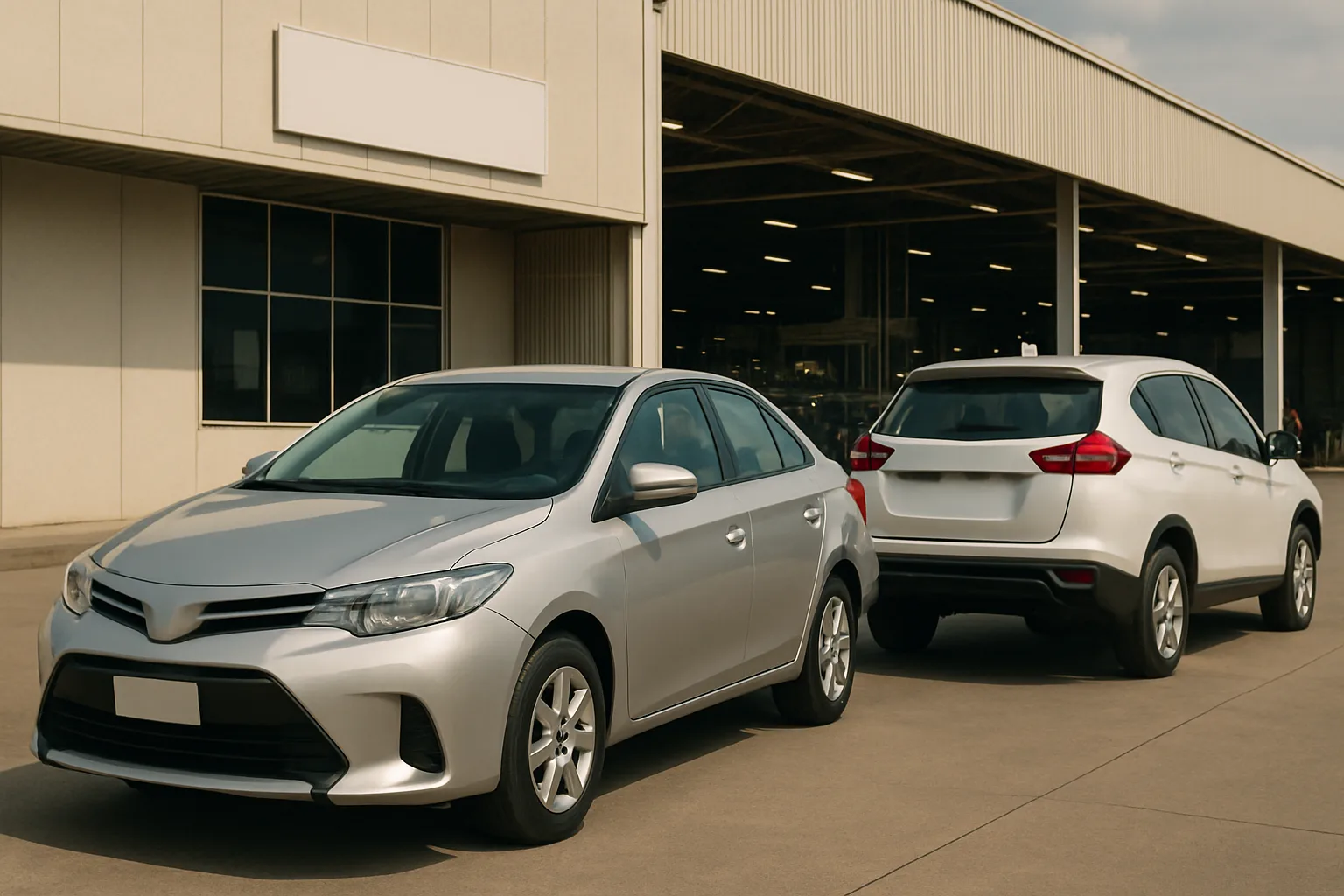
Japanese automakers with manufacturing operations in the Philippines have signalled growing frustration with the government’s failure to implement a long-promised automotive industry roadmap, raising the prospect of shifting production to other Southeast Asian countries if policy clarity does not arrive soon.
Toyota Motor Philippines and Mitsubishi Motors Philippines, which together account for the bulk of local car assembly, have told officials that continued uncertainty threatens both current output and future investment. Industry representatives say the government’s lack of action on tax incentives and support measures has already delayed planned expansion, and could ultimately see the country lose thousands of jobs and millions in investment to rivals such as Malaysia and Indonesia.
Carmakers Press for Policy Certainty
The Philippine government has been working on a new automotive industry strategy designed to revive domestic manufacturing, which has shrunk in recent years as regional competition intensifies. The proposed roadmap includes tax breaks and other incentives aimed at attracting new investment and positioning the country as an export hub. However, after more than two years of discussions, the plan remains stalled, with no clear timeline for approval or implementation.
Toyota’s local spokesperson has called for immediate action, saying the lack of a clear policy makes it difficult to justify further investment in the Philippines. The head of the local vehicle parts group, MVPMAP, has also warned that unless the roadmap is approved soon, manufacturers may abandon expansion plans altogether. Both Toyota and Mitsubishi have reportedly considered moving production to countries with more attractive investment terms if the situation does not improve.
Jobs and Investment at Stake
If Toyota and Mitsubishi were to scale back or relocate their Philippine operations, the immediate impact would be the loss of around 1,000 jobs and an estimated 50,000 vehicles per year in local production. The longer-term risk is the loss of planned investment, which industry sources value in the tens of millions of US dollars. For workers and suppliers, the uncertainty has already created anxiety over the future of the sector.
The government’s hesitation comes as other Southeast Asian countries have moved aggressively to support their auto sectors, offering incentives and clearer policies. Malaysia and Indonesia, in particular, are actively courting foreign carmakers. Without a timely decision from Manila, Japanese manufacturers have made it clear that their commitment to Philippine production cannot be guaranteed.