Japanese Auto Parts Executives Jailed in US Price-Fixing Case
Two senior managers from Mitsuba and T.RAD have received US prison sentences and fines after pleading guilty to price-fixing charges involving Honda supply contracts.
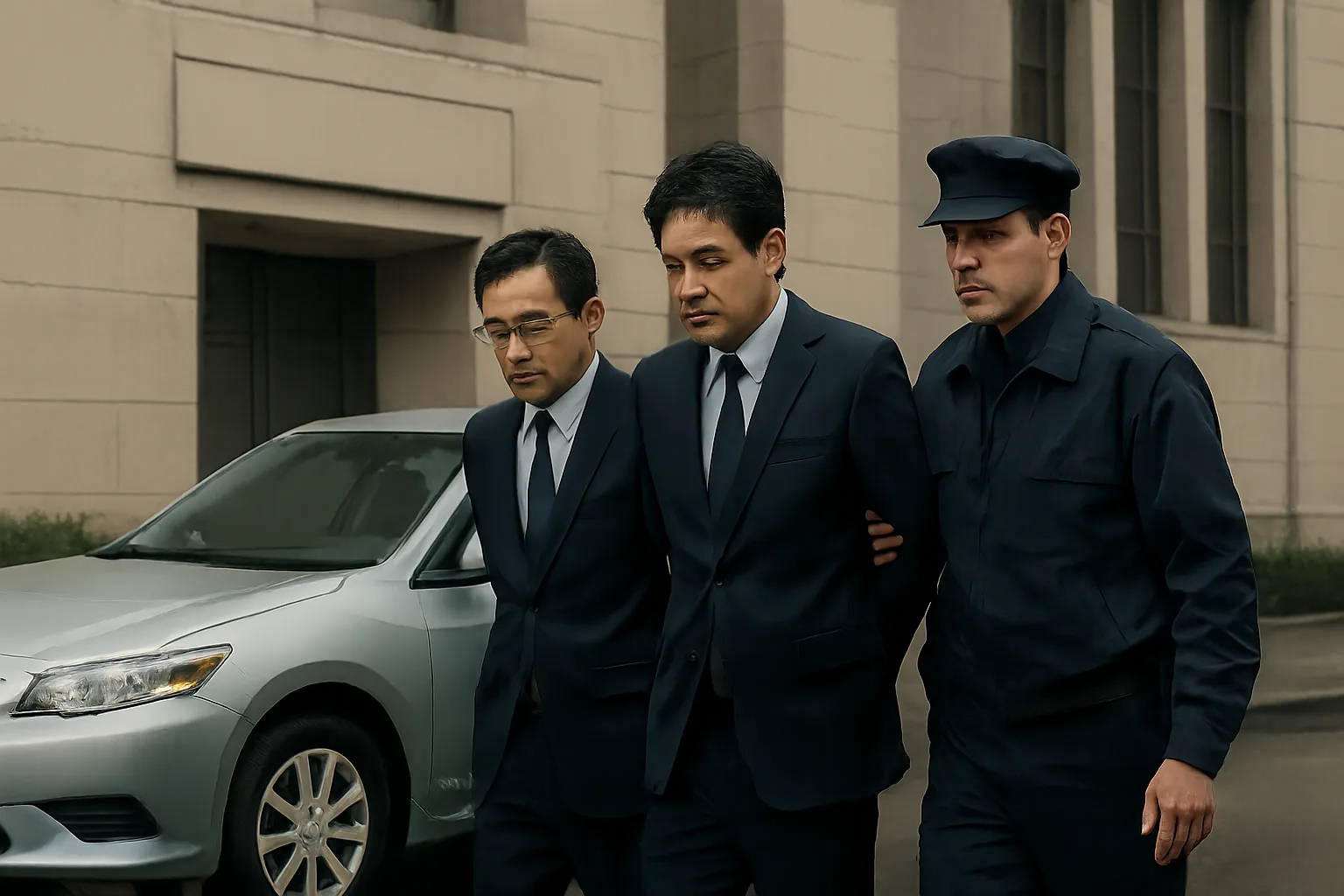
Two Japanese auto parts executives were sentenced to prison in the United States after pleading guilty to charges of price-fixing on components supplied to Honda. The US Department of Justice confirmed the sentences in late 2014, as part of a broader investigation into cartel activity in the automotive supply chain.
Overview of the Sentencing
- Kazumi Umahashi (Mitsuba): 13 months in US prison
- Kosei Tamura (T.RAD): 366 days in US prison
- Both fined $20,000 each
- Charges relate to price-fixing on Honda supply contracts
Kazumi Umahashi, a former general manager at Mitsuba, agreed to serve a 13-month jail term for conspiring to fix prices of windshield wiper systems and starter motors sold to Honda. Kosei Tamura, an executive at T.RAD, was sentenced to 366 days in prison for his role in fixing the prices of radiators supplied to the same automaker. Both men were also fined $20,000 each, according to the Justice Department’s announcement.
Background: The US Auto Parts Cartel Investigation
The sentencing of Umahashi and Tamura followed a multi-year investigation by US antitrust authorities into price-fixing and bid-rigging across the automotive parts industry. This probe was one of the largest antitrust investigations ever conducted in the sector, with authorities examining the conduct of numerous suppliers to major car manufacturers.
By late 2014, at least 32 companies had pleaded guilty as part of the investigation, and a total of 48 individuals had been charged. The investigation covered more than 30 types of automotive components, including seat belts, air-conditioning systems, power window motors, and power steering assemblies. The companies and individuals targeted by the investigation supplied parts to major carmakers operating in the US, often coordinating prices or allocating contracts to avoid competition. Honda was named as the affected customer in the cases against Umahashi and Tamura.
- Mitsuba: Windshield wiper systems, starter motors
- T.RAD: Radiators
This investigation was not limited to the United States. The US Justice Department worked closely with antitrust regulators in Europe and Asia, reflecting the global reach of the auto parts industry and the international nature of the alleged cartel activities. The authorities were particularly concerned about the impact of these practices on car prices and competition in the automotive market.
Penalties and Industry Impact
The US authorities imposed both prison terms and financial penalties on the executives. The $20,000 fines were in addition to the jail sentences. The wider crackdown resulted in hundreds of millions of dollars in corporate fines, with the Justice Department working alongside regulators in Europe and Asia to address cartel behaviour in the auto supply chain. By late 2014, 32 companies and 48 individuals had been charged in the US auto parts cartel probe.
The penalties imposed on Umahashi and Tamura were part of a broader effort to hold individuals, not just corporations, accountable for anti-competitive conduct. This approach aimed to deter future violations by making it clear that executives could face personal consequences, including imprisonment and financial penalties, for participating in illegal price-fixing schemes.
Scope of the Price-Fixing Schemes
The investigation into the auto parts industry revealed widespread collusion involving at least 30 different types of components. These included essential vehicle parts such as seat belts, air-conditioning systems, power window motors, and power steering components. By coordinating prices and allocating supply contracts, the involved companies were able to artificially inflate the cost of automotive parts, which had a direct impact on car manufacturers and, potentially, on consumers.
The probe uncovered that the price-fixing activities were not isolated incidents but part of an organised effort that spanned several years and involved numerous companies operating on a global scale. The Justice Department's action sent a strong message to suppliers about the risks of collusion and the seriousness with which authorities would pursue such cases.
Consequences for the Industry and Individuals
The cases against Umahashi and Tamura highlighted the personal consequences for executives involved in anti-competitive conduct, not just for their employers. The investigation continued to serve as a warning to suppliers about the risks of collusion in global automotive markets. The crackdown has had a lasting impact on compliance practices within the industry, prompting companies to strengthen their internal controls and training to avoid future violations.
As the investigation progressed, it became clear that regulators around the world were prepared to coordinate efforts to root out cartel activities in the automotive sector. The high-profile nature of the convictions, along with the substantial fines and prison sentences, underscored the importance of fair competition and the potential consequences of violating antitrust laws.
The ongoing enforcement actions and international cooperation among regulators have contributed to increased scrutiny of the global automotive supply chain. This has encouraged greater transparency and competition, benefiting both manufacturers and consumers in the long term.