Kubica’s F1 comeback hopes clouded as surgeon warns of lasting arm damage
Robert Kubica’s surgeon says the Polish driver is unlikely to regain full mobility in his right arm following his 2011 rally crash, raising doubts over a Formula One return.
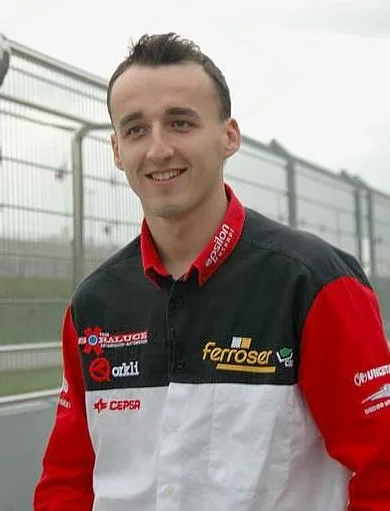
Robert Kubica, once regarded as one of Formula One’s brightest prospects, saw his racing career dramatically altered following a rally accident in early 2011. The crash, which occurred during the Ronde di Andora rally in Italy, resulted in severe injuries to his right arm, including multiple fractures and a near-amputation. The extent of the trauma required several complex surgeries and a lengthy period of rehabilitation. Prior to the accident, Kubica had raced for BMW Sauber and Renault in Formula One, earning a reputation for speed and technical skill. His injury forced him to withdraw from F1, casting doubt on his future in top-level motorsport.
Background on Kubica’s Injury and Career
Surgeon’s Assessment of Recovery
Igor Rossello, the surgeon who performed operations on Kubica’s damaged arm, has provided a cautious outlook regarding the driver’s prospects for full recovery. According to Rossello, even extensive and dedicated rehabilitation is unlikely to restore complete mobility to Kubica’s right hand and arm. The nature of the injuries, involving nerves, tendons, and bones, means that some limitations are likely to be permanent. This assessment was shared with the Polish newspaper Super Express, where Rossello explained that Kubica’s hand would not regain its original function, regardless of the rehabilitation effort.
Rossello noted that while Kubica has made significant progress, the fine motor control required for certain activities remains compromised. The surgeon emphasised that the long-term nature of the injury makes a full return to previous levels of performance particularly challenging. Such injuries are complex and often result in lasting functional deficits, especially when involving major nerves and extensive tissue damage.
Return to Rallying and Adaptation
Despite these limitations, Kubica has managed to return to competitive rallying. The design of rally cars, which typically offer a more spacious cockpit and allow for greater arm movement, has enabled him to adapt his driving style to accommodate the restricted mobility in his right arm. Rallying also places different demands on drivers compared to Formula One, with less emphasis on rapid, precise steering inputs and more on endurance and car control over varied terrain.
Kubica’s ability to compete in rally events demonstrates his determination and skill, but it also highlights the distinctions between different forms of motorsport. The rally environment has provided Kubica with an opportunity to remain active in high-level competition, even as he continues to manage the consequences of his injury.
Challenges for a Formula One Comeback
A return to Formula One presents a much greater challenge. F1 cars have cramped cockpits and require drivers to make rapid, precise steering adjustments at high speeds. The physical demands are significant, especially on the arms and hands. Rossello has pointed out that Kubica’s current level of mobility allows him to drive a rally car, but the tight confines of an F1 cockpit and the need for exact steering inputs would be far more difficult with his ongoing limitations.
Rossello has stated that it is difficult to predict whether Kubica will ever be able to participate in Formula One races again. The uncertainty is due to the unpredictable nature of recovery from such severe injuries and the exceptionally high physical requirements of F1. While Kubica has expressed a desire to return to Formula One and has been linked with possible test roles, including a seat with Pirelli, his surgeon’s assessment suggests that a full-time comeback may not be realistic in the near future.
Implications for Kubica’s Career and Motorsport
Kubica’s situation underlines the risks faced by drivers who participate in multiple forms of motorsport and the long-term impact of serious injuries. His case also illustrates the differences in physical demands between rallying and Formula One, and the adaptability required for drivers recovering from major trauma. While his rallying achievements are remarkable, the possibility of a full Formula One return remains uncertain.
The story of Robert Kubica continues to inspire many in the motorsport community, as he demonstrates resilience and determination in the face of adversity. However, the medical reality, as outlined by his surgeon, is a reminder of the challenges that remain. For now, Kubica’s focus appears to be on making the most of his opportunities in rallying, while keeping the door open for any future developments regarding a possible Formula One comeback.
Summary Table: Kubica’s Injury and Motorsport Prospects
| Aspect | Details |
|---|---|
| Date of injury | Early 2011 |
| Type of injury | Severe right arm trauma, near-amputation |
| Current motorsport activity | Competitive rallying |
| Formula One prospects | Uncertain, limited by arm mobility |
| Surgeon’s outlook | Full recovery unlikely, F1 return doubtful |